
 Persly Medical Team
Headaches and Prostate Cancer: How common and why
Key Takeaway:
Is Headache a Common Symptom of Prostate Cancer?
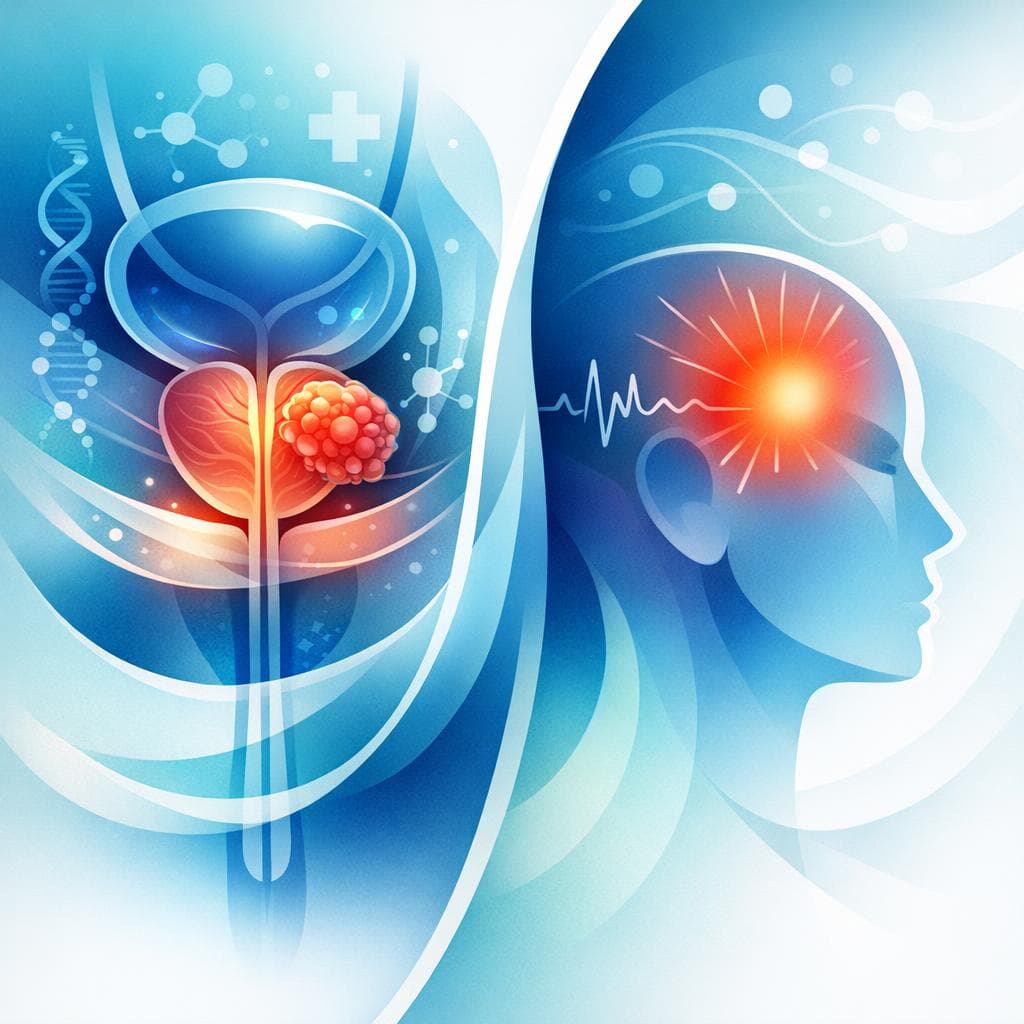
Short answer: Headache is not a common or typical symptom of prostate cancer itself. Prostate cancer most often causes urinary changes, pelvic or back pain, or bone pain when it spreads, rather than headaches. [1] Headaches can occur in rare situations, such as when cancer spreads to the brain or due to other non-cancer causes. [2] [3]
Typical Symptoms of Prostate Cancer
- Urinary symptoms like weak stream, frequent urination (especially at night), urgency, pain or burning, and blood in urine or semen are more characteristic. [2] [4]
- Pain in the lower back, hips, or pelvis that doesn’t go away, and bone pain may appear when cancer grows or spreads. [4] [3]
- These common symptoms can also be caused by noncancerous prostate conditions (like benign enlargement), so they don’t automatically indicate cancer. [4]
When Headaches May Occur
- Brain metastases (cancer spread to the brain): This is uncommon in prostate cancer but can happen, and headaches are a key symptom when tumors increase pressure inside the skull. [5] [6]
- Headaches from brain metastases are often worse in the morning and may come with nausea, vomiting, seizures, vision changes, speech difficulty, weakness, personality changes, or balance problems. These patterns suggest raised intracranial pressure or focal brain involvement. [7] [5] [8]
- Treatment-related causes: While hormone therapy, chemotherapy, and radiation have well-known side effects (hot flashes, fatigue, sexual changes), headache is not a primary listed side effect; however, individuals may experience nonspecific headaches due to stress, sleep loss, dehydration, anemia, or other treatment-related factors. [9] [10] [11] [12]
How to Tell If a Headache Is Concerning
- Red flags include new or persistent headaches that are different from your usual pattern, morning predominance, worsening with coughing or bending, or headaches with neurological symptoms (vision change, confusion, seizures, weakness, speech trouble, imbalance). These warrant urgent medical evaluation. [13] [5] [8]
- Context matters: In someone with known advanced cancer, new neurological symptoms plus headache increase concern for brain metastases. [14] [5]
Causes of Headache in Someone With Prostate Cancer
- Non-cancer causes (most common): tension headache, migraine, medication overuse, dehydration, sleep disturbance, sinus issues, hypertension. These are far more frequent than cancer-related causes.
- Cancer-related causes (less common):
- Brain metastases causing increased intracranial pressure or irritation of brain tissue. [6] [5]
- Metastatic disease-related complications like high blood pressure from pain or steroids, anemia, or infections leading to systemic symptoms.
- Treatment effects or supportive medications (for example, some anti-nausea or pain medicines can trigger headaches in certain people, even though this is not the leading side effect profile). [9] [10] [12] [11]
Evaluation: What Your Clinician May Do
- History and exam: Headache characteristics, timing, triggers, associated neurologic signs, and review of cancer status and treatments. This helps differentiate common benign headaches from concerning causes. [13]
- Imaging when indicated: MRI or CT of the brain if there are red flags or neurological deficits to check for metastases or other intracranial issues. [13] [5]
- Lab tests: Checking for anemia, infection, metabolic problems if symptoms or treatments suggest these contributors. [9] [10]
Management Options
If Headache Is Not Cancer-Related
- Lifestyle and simple measures: Adequate hydration, regular sleep, stress reduction, limiting caffeine and alcohol, and balanced meals often help. This is because many common headaches are driven by tension, dehydration, or sleep disruption.
- Medications: Acetaminophen or NSAIDs may relieve tension-type headaches or mild migraines; preventive strategies may be used for frequent migraines. Use medications thoughtfully to avoid rebound headaches.
If Brain Metastases Are Suspected or Confirmed
- Urgent evaluation and treatment: Steroids (like dexamethasone) to reduce brain swelling and anti-seizure medications if seizures occur are common first steps. These address intracranial pressure and electrical instability that generate headaches and neurological symptoms. [13] [5]
- Local tumor control: Depending on number, size, and location of metastases, treatments may include stereotactic radiosurgery, whole-brain radiation, surgical resection, or a combination. These approaches aim to reduce tumor burden and relieve pressure. [5]
- Systemic therapy adjustments: Optimizing prostate cancer control with systemic treatments can reduce further spread; your oncology team may tailor hormone therapy, chemotherapy, immunotherapy, or other agents based on disease stage and prior response. [15] [10] [9]
- Supportive care: Nausea control, pain management, and rehabilitation (physical, occupational, speech therapy) help restore function and comfort as headaches improve with decreased intracranial pressure. [5]
Practical Tips You Can Use Today
- Track your headaches: Note timing, triggers, severity, morning predominance, and any neurological symptoms; this helps your clinician decide on imaging or medication changes. [13]
- Seek urgent care if a headache is new and severe, progressively worsening, or accompanied by vision changes, confusion, weakness, seizures, or balance problems. Early evaluation improves outcomes. [13] [5] [8]
- Discuss your current treatments: If headaches started after a therapy change, your team can adjust dosing, timing, or supportive medications to reduce symptoms, even if headache isn’t a typical side effect. [9] [10] [11] [12]
Bottom Line
- Headache is not a typical symptom of prostate cancer, and more common cancer-related complaints involve urinary changes or bone/pelvic pain. [1] [2] [3] [4]
- Headaches can signal brain metastases in rare cases, especially when paired with neurological symptoms; these need urgent medical assessment and targeted treatment. [6] [7] [5] [8] [13]
- Many headaches have non-cancer causes and respond well to usual measures, but context and red flags guide when to investigate further. [13] [5]
Related Questions
Related Articles


Sources
- 1.^abSymptoms of Prostate Cancer(cdc.gov)
- 2.^abcProstate Cancer(medlineplus.gov)
- 3.^abcProstate Cancer(stanfordhealthcare.org)
- 4.^abcdProstate Cancer(medlineplus.gov)
- 5.^abcdefghijklBrain metastases - Symptoms and causes(mayoclinic.org)
- 6.^abcSigns & Symptoms of Brain Metastases(mskcc.org)
- 7.^abSigns & Symptoms of Brain Metastases(mskcc.org)
- 8.^abcdBrain metastases - Symptoms and causes(mayoclinic.org)
- 9.^abcdeProstate cancer - Diagnosis and treatment(mayoclinic.org)
- 10.^abcdeMetastatic (stage 4) prostate cancer - Diagnosis and treatment(mayoclinic.org)
- 11.^abcProstate cancer - Diagnosis and treatment(mayoclinic.org)
- 12.^abcHormonal Therapy During Radiation Therapy to Your Prostate(mskcc.org)
- 13.^abcdefghMetastatic brain tumor: MedlinePlus Medical Encyclopedia(medlineplus.gov)
- 14.^↑Brain metastases(stanfordhealthcare.org)
- 15.^↑Prostate Cancer Treatments(mskcc.org)
Important Notice: This information is provided for educational purposes only and is not intended to replace professional medical advice, diagnosis, or treatment. Always consult with a qualified healthcare provider before making any medical decisions.