
 Persly Medical Team
Based on PubMed | Is back pain a common symptom of Parkinson’s disease, and what are the typical causes and characteristics of this pain?
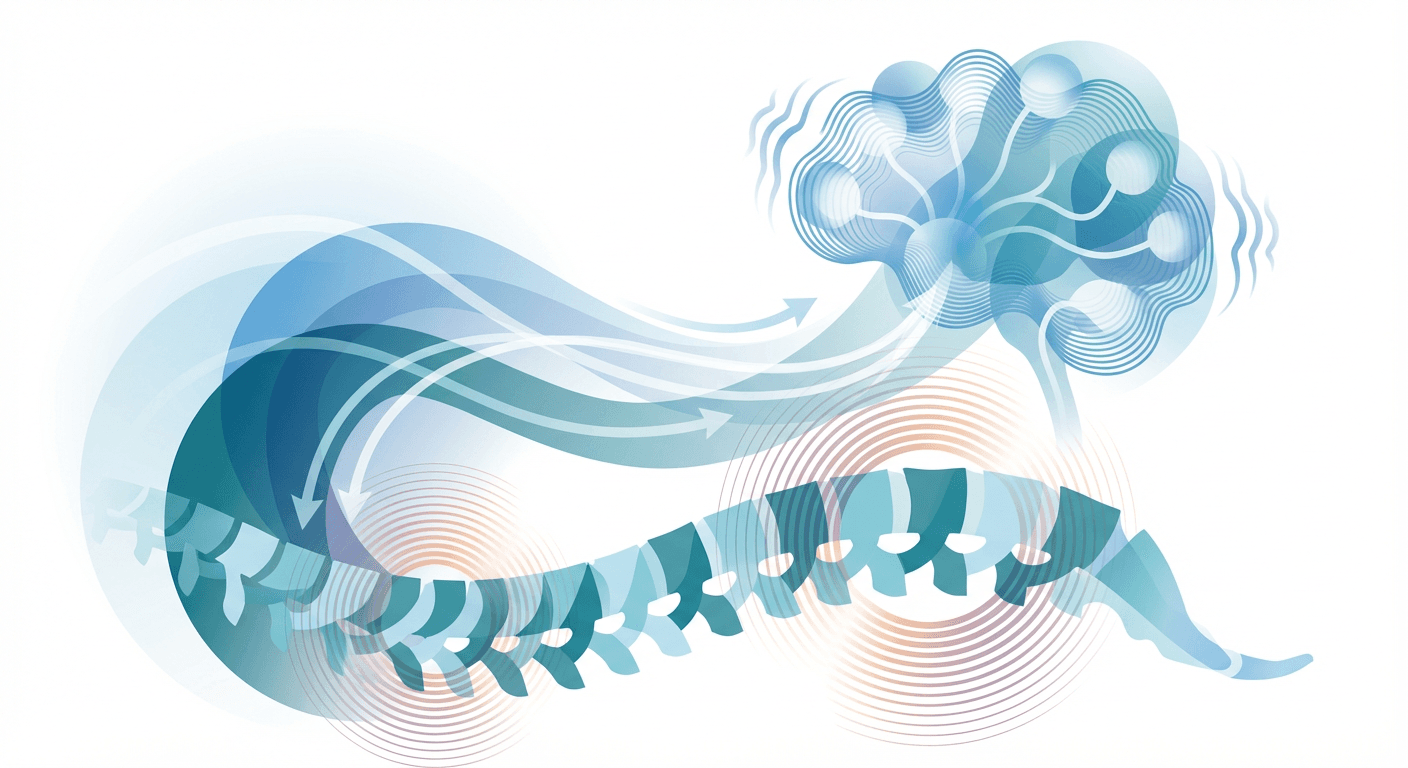
Back pain is common in Parkinson's disease, especially in the low back, and occurs more often than in age-matched peers. It typically arises from muscle rigidity, postural deformities (camptocormia, Pisa), axial dystonia/myopathy, and altered central pain processing, producing aching, posture-dependent pain that may fluctuate with on-off motor states. Management often includes posture-focused physical therapy and optimization of dopaminergic therapy within a multidisciplinary approach.
Yes back pain is fairly common in Parkinson’s disease (PD), and it often has multiple, overlapping causes. People with PD frequently experience musculoskeletal pain (pain from muscles, joints, and soft tissues), with the low back being one of the most commonly affected areas. [1] Large clinical series suggest musculoskeletal complaints occur more often in PD than in age‑matched peers, and the low back is reported as the top site. [2]
How common is back pain in Parkinson’s?
- Musculoskeletal problems are more prevalent in PD than in controls. In one physician‑interviewed cohort, 66.3% of individuals with PD reported musculoskeletal issues versus 45.7% of controls. [2]
- The low back is the most frequent site. In the same study, low back involvement was 44.3% in PD compared with 24.6% in controls. [2]
- Pain is a recognized non‑movement symptom of PD. Beyond tremor and stiffness, PD can include muscle and joint pain among common symptoms. [3] Muscle rigidity and posture changes are core motor features that can contribute to discomfort and pain. [4]
Typical causes and mechanisms
Back pain in PD is usually multifactorial several mechanisms can coexist in the same person.
- Muscle rigidity and stiffness: Rigid or stiff muscles increase strain on the spine and surrounding structures, leading to aching or cramping pain. [4]
- Posture changes (axial/postural deformities): Stooped posture and balance problems can overload the low back; PD is associated with postural syndromes such as camptocormia (forward trunk flexion) and Pisa syndrome (lateral trunk flexion), which are disabling and can drive chronic axial pain. [5] [6]
- Axial dystonia and myopathy contributions: Abnormal muscle activation patterns and muscle weakness or degeneration can contribute to trunk lean and spinal stress, worsening pain. [6] Electrophysiology studies in Pisa syndrome show hyperactivity of paraspinal muscles, reflecting imbalanced activation that can produce or sustain pain. [7]
- Altered pain processing: PD can involve changes in central pain modulation (dopamine, noradrenergic, serotonergic pathways), which may heighten pain sensitivity and make back pain feel more intense, even with modest mechanical triggers. [8]
- Secondary orthopedic issues: PD is linked to increased rates of conditions like frozen shoulder and fractures; while these are not back‑specific, they reflect broader musculoskeletal vulnerability that can coexist with spine degenerative changes. [2]
What does PD‑related back pain feel like?
- Common locations: The back, legs, and shoulders are typical pain sites, with the low back often leading. [8] [1]
- Quality: Pain can be aching, cramping, or stiff in character and may worsen with prolonged standing or walking due to posture and muscle rigidity. [4] [5]
- Fluctuations: Some people notice pain fluctuates with “on–off” motor states or dyskinesia later in the disease course, reflecting interactions with dopamine replacement therapy and central pain pathways. [8]
- Side predominance: Pain may be more noticeable on the side with worse parkinsonian motor symptoms, though unusual distributions can occur because of central modulation changes. [8]
Comparison: PD vs. non‑PD musculoskeletal back pain
| Aspect | PD-associated back pain | Typical age-related/mechanical back pain |
|---|---|---|
| Prevalence | Higher in PD; low back most common site. [2] | Common in general population but lower than PD cohorts of similar age. |
| Drivers | Muscle rigidity, posture deformities (camptocormia, Pisa), axial dystonia, altered central pain processing. [4] [6] [8] | Degenerative disc disease, facet arthropathy, muscle strain, osteoarthritis. |
| Pattern | Often axial and posture‑dependent; may fluctuate with PD motor states. [8] [5] | Typically activity‑related; less tied to neurologic fluctuations. |
| Response to dopamine | Sometimes improves with optimized dopaminergic therapy; not universally responsive. [8] | No specific response to dopaminergic therapy. |
Why back pain is often under‑treated in PD
Despite higher prevalence, musculoskeletal problems in PD are frequently under‑recognized and receive less treatment compared with controls, which can delay relief. [2] This gap underscores the importance of proactive evaluation and tailored management by clinicians familiar with PD musculoskeletal issues. [1]
Practical management approaches
- Posture and movement therapy: Targeted physical therapy focusing on posture, balance, stretching, and soft‑tissue techniques can reduce axial strain and pain. [9] Physical therapy plans commonly include exercises and hands‑on methods to relieve musculoskeletal pain and improve function. [10]
- Medication optimization: Adjusting dopaminergic therapy (for example, timing and dose) may help when pain tracks with “off” periods or rigidity, recognizing that not all pain is dopamine‑responsive. [8]
- Addressing postural deformities: Persistent stoop or lateral trunk lean warrants evaluation for camptocormia or Pisa syndrome; management may include intensive rehab strategies and, in selected cases, device or surgical options when general measures fail. [6]
- General pain strategies: Many people benefit from multimodal approaches combining exercise, activity modification, and supportive therapies delivered by multidisciplinary teams. [11] [12]
- Education and monitoring: Understanding that pain is a recognized PD symptom can guide earlier reporting and treatment, improving quality of life. [3]
Key takeaways
- Back pain is common in PD, especially the low back, and occurs more often than in non‑PD peers. [2] [1]
- Main drivers include muscle rigidity, posture changes, axial dystonia, and altered central pain processing, often acting together. [4] [5] [6] [8]
- Management works best when it is proactive and multidisciplinary, with attention to posture‑focused physical therapy and thoughtful medication optimization. [9] [10] [11] [12]
Related Questions
Related Articles
Sources
- 1.^abcdMusculoskeletal problems in Parkinson's disease.(pubmed.ncbi.nlm.nih.gov)
- 2.^abcdefgMusculoskeletal problems in Parkinson's disease: neglected issues.(pubmed.ncbi.nlm.nih.gov)
- 3.^abParkinson's disease - Symptoms and causes(mayoclinic.org)
- 4.^abcdeParkinson's disease - Symptoms and causes(mayoclinic.org)
- 5.^abcdParkinson's disease - Symptoms and causes(mayoclinic.org)
- 6.^abcdePostural deformities in Parkinson's disease.(pubmed.ncbi.nlm.nih.gov)
- 7.^↑Pisa syndrome in Parkinson's disease: an electrophysiological and imaging study.(pubmed.ncbi.nlm.nih.gov)
- 8.^abcdefghi[Pain and sensory disturbance in Parkinson disease].(pubmed.ncbi.nlm.nih.gov)
- 9.^abParkinson's disease - Diagnosis and treatment(mayoclinic.org)
- 10.^abMovement Disorders Center(stanfordhealthcare.org)
- 11.^abParkinson’s Disease(stanfordhealthcare.org)
- 12.^abParkinson’s Disease(nyulangone.org)
Important Notice: This information is provided for educational purposes only and is not intended to replace professional medical advice, diagnosis, or treatment. Always consult with a qualified healthcare provider before making any medical decisions.