
 Persly Medical Team
Mouth sores and ovarian cancer: causes and care
Are mouth sores a common symptom of ovarian cancer?
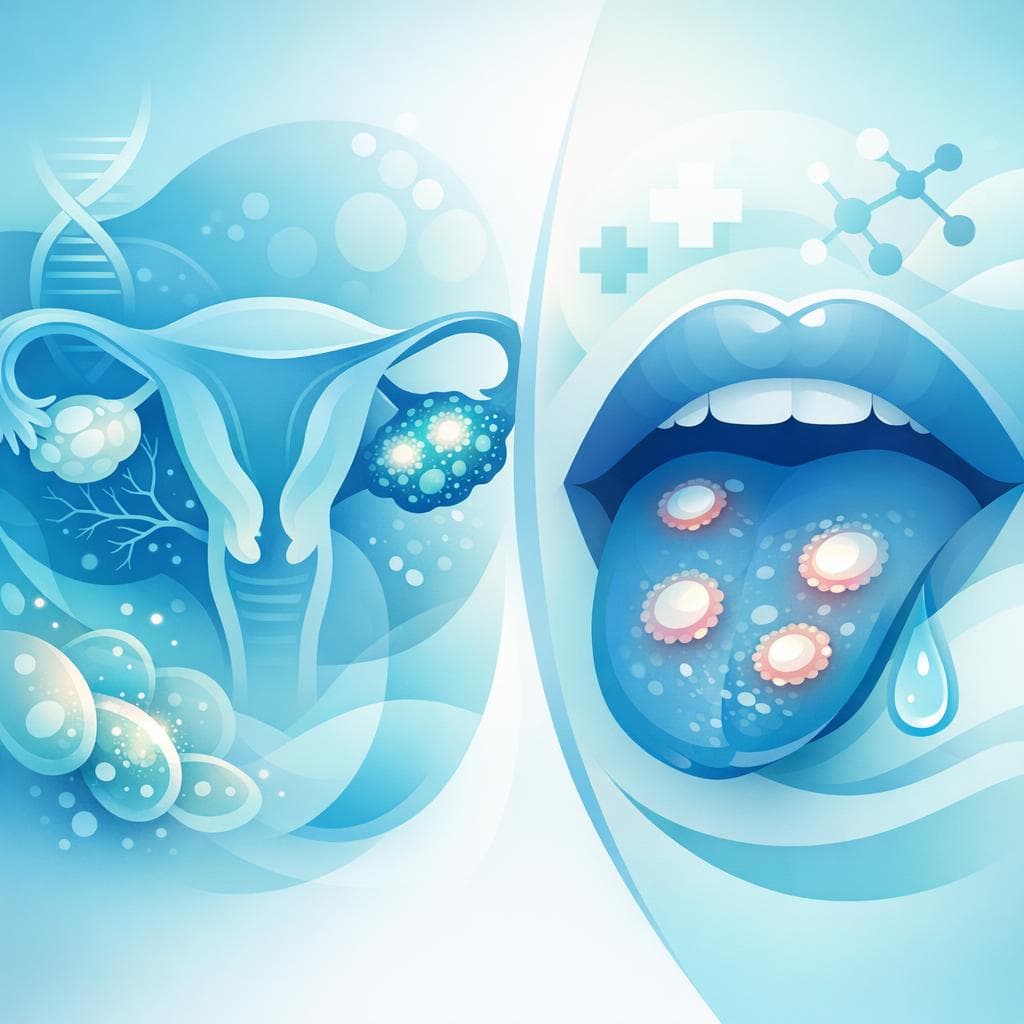
Mouth sores are not a common or typical symptom of ovarian cancer itself. They are much more often related to cancer treatments such as chemotherapy, head and neck radiation, targeted therapies, immunotherapy, or stem cell transplant which can damage the lining of the mouth and lead to oral mucositis (painful mouth ulcers). [1] Mouth sores from cancer therapy can make eating, drinking, and speaking difficult and may range from mild discomfort to severe complications. [2] These sores can appear on the gums, tongue, inner cheeks, lips, and even extend down the esophagus. [3] [1]
What causes mouth sores in cancer care
- Chemotherapy and radiation effects: These treatments injure rapidly dividing cells in the mouth’s mucosal lining, causing inflammation and ulceration known as oral mucositis. [4] Chemotherapy, head and neck radiation, targeted therapies, immunotherapy, and transplant regimens are all linked to mouth sores. [1]
- Severity and impact: The sores can be painful, look like burns, and may lead to reduced intake and weight loss due to difficulty eating and drinking. [5] They can significantly affect quality of life and, in severe cases, may interrupt treatment schedules. [2]
- Where they occur: Lesions can develop anywhere in the soft tissues of the mouth gums, cheeks, tongue, roof/floor of mouth and may involve the esophagus. [3] [1]
How mouth sores are graded
Clinicians often grade mucositis by how much it interferes with eating and pain level:
- Grade 1: Mild symptoms, no intervention needed. [6]
- Grade 2: Moderate pain or ulcers; oral intake possible with a modified diet. [6]
- Grade 3: Severe pain; interferes with oral intake. [6]
- Grade 4: Life‑threatening; urgent intervention required. [6]
Management and relief strategies
Daily mouth care
- Use a soft toothbrush and gentle, alcohol‑free mouthwash; avoid harsh, alcohol‑based rinses. [7]
- Perform frequent salt and baking soda rinses (for example, 1/2 tsp salt + 1/2 tsp baking soda in 1 cup warm water), spitting out after swishing. [7]
- Keep lips and mouth well moisturized; sip water often to prevent dryness. [7]
Pain and symptom control
- Topical anesthetics (like viscous lidocaine swish-and-spit) may numb painful areas before meals; your care team can advise appropriate options. [7]
- Systemic pain control may be needed for moderate to severe pain; discuss with your clinician, especially if sores limit intake. [6] [7]
Nutrition and hydration
- Choose soft, bland foods (yogurt, smoothies, mashed potatoes) and avoid spicy, acidic, or coarse foods that can irritate sores. [7]
- Use high-calorie liquids and meal supplements if chewing is painful to help prevent weight loss. [5] Maintaining hydration is essential when mouth sores make drinking difficult. [2]
Preventive and supportive measures
- Coordinate with your oncology team about timing and type of treatments known to cause mucositis; some regimens carry higher risk. [1]
- Regular oral assessments during treatment help catch issues early; standardized tools are used to track changes and guide care. [8] [9]
When to contact your care team
Seek medical advice if you have:
- Severe pain, fever, inability to eat or drink, or signs of infection, since these can signal complications needing prompt care. [6] [7]
- Mouth sores that persist or worsen despite home measures, or if you notice bleeding or lesions that don’t heal. [2] [5]
Other possible causes of mouth sores (not specific to ovarian cancer)
Besides cancer treatments, mouth sores can be triggered by canker sores (aphthous ulcers), infections (like cold sores), autoimmune conditions, nutritional deficiencies (iron, folate, vitamin B12), and stress. [10] [11] [12] Some systemic illnesses or medications can also contribute, and persistent lesions may warrant evaluation for oral conditions or cancers of the mouth. [13] [14] If you’re receiving cancer therapy, treatment-related mucositis remains the most likely explanation for new mouth sores. [1] [4]
Key takeaways
- Mouth sores are generally not a direct symptom of ovarian cancer; they are commonly a side effect of cancer treatments that affect the mouth’s lining. [1] [4]
- Gentle oral care, pain control, and soft diets can make a big difference and help you continue treatment more comfortably. [7] [5]
- Prompt reporting of severe or persistent sores helps your team adjust care and prevent complications. [2] [6]
Related Questions
Related Articles


Sources
- 1.^abcdefgWhen cancer treatment causes mouth sores(mayoclinic.org)
- 2.^abcdeWhen cancer treatment causes mouth sores(mayoclinic.org)
- 3.^abWhen cancer treatment causes mouth sores(mayoclinic.org)
- 4.^abc210-Oral mucositis and stomatitis | eviQ(eviq.org.au)
- 5.^abcdMouth sores caused by cancer treatment: How to cope(mayoclinic.org)
- 6.^abcdefgMucositis and stomatitis | eviQ(eviq.org.au)
- 7.^abcdefghOral mucositis - self-care: MedlinePlus Medical Encyclopedia(medlineplus.gov)
- 8.^↑10-Oral mucositis/stomatitis assessment tool | eviQ(eviq.org.au)
- 9.^↑10-Oral mucositis/stomatitis assessment tool | eviQ(eviq.org.au)
- 10.^↑Canker sore - Symptoms and causes(mayoclinic.org)
- 11.^↑Symptoms and causes - Mayo Clinic(mayoclinic.org)
- 12.^↑Aftas : MedlinePlus enciclopedia médica(medlineplus.gov)
- 13.^↑Úlceras bucales: MedlinePlus enciclopedia médica(medlineplus.gov)
- 14.^↑Úlceras bucales: MedlinePlus enciclopedia médica(medlineplus.gov)
Important Notice: This information is provided for educational purposes only and is not intended to replace professional medical advice, diagnosis, or treatment. Always consult with a qualified healthcare provider before making any medical decisions.