
 Persly Medical Team
Based on PubMed | Is back pain a symptom of mesothelioma, and what causes it and how does it typically present?
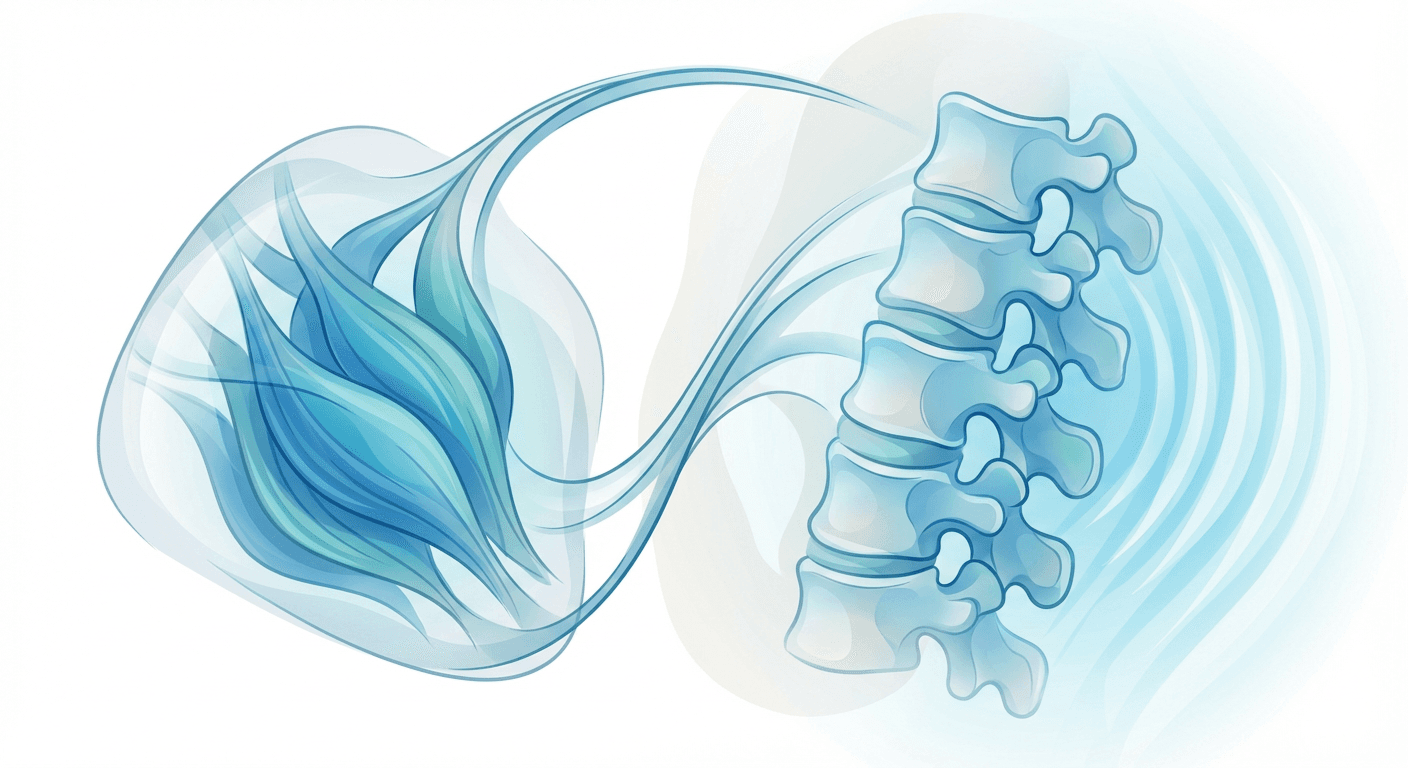
Back pain is not a common early symptom of mesothelioma, but it can occur usually in advanced disease when tumors compress nearby nerves/spinal structures, invade the chest wall near the spine, or (less often) metastasize to vertebrae. It typically presents as a dull thoracic ache or radicular, shooting pain; neurologic deficits may appear if the spinal cord or nerve roots are involved.
Mesothelioma and Back Pain: Is It a Symptom, What Causes It, and How It Typically Presents?
Back pain can occur in mesothelioma, but it is not one of the most common early symptoms. The typical presentation for pleural mesothelioma (the form around the lungs) includes chest pain, shortness of breath, and sometimes pain under the rib cage; back pain may arise later due to tumor spread, pressure on nerves, or metastasis. [1] [2]
Quick Overview
- Common early symptoms: chest pain, shortness of breath, painful coughing, and fatigue. [1] [2]
- Back pain can happen: usually as a result of tumor growth pressing on the spinal cord or nerves, chest wall invasion near the spine, or more rarely bone/spinal metastases. [3] [4]
- Less common mechanism: vertebral (spine) metastases causing localized or radicular (nerve) pain; documented primarily in case reports. [5] [6]
Typical Symptoms of Mesothelioma
Pleural mesothelioma most often presents with chest-centric symptoms: chest pain, painful coughing, shortness of breath, and sometimes lumps under the chest skin; peritoneal mesothelioma (abdominal lining) presents with belly pain and swelling. [1] [2] Weight loss and fatigue can also occur. [1] [2] As disease progresses, pressure effects within the chest can cause additional problems, including pain from nerve and spinal cord compression. [3]
Why Back Pain Can Occur in Mesothelioma
1) Pressure on Nearby Nerves and Spinal Cord
As tumors in pleural mesothelioma enlarge within the chest cavity, they can press on structures adjacent to the spine, leading to pain that may radiate to the back or follow a nerve distribution (radicular pain). [3] This mechanism reflects local extension rather than distant spread. [3]
2) Chest Wall and Paraspinal Invasion
Tumor growth along the chest wall near the spine can cause localized paraspinal pain and, in advanced cases, compress the spinal canal. This has been reported with imaging confirmation of spinal canal invasion causing neurological symptoms. [7]
3) Spinal or Bone Metastases (Less Common)
Bone and spine metastases from mesothelioma are uncommon but documented. When they occur, patients may present with low back pain; imaging such as MRI or PET/CT can reveal vertebral involvement, and biopsy confirms the diagnosis. [5] Case reports highlight presentations where back pain led to discovery of vertebral lesions attributable to mesothelioma. [6]
How Back Pain Typically Presents in Mesothelioma
- Pattern: Often dull or aching pain near the thoracic back if adjacent chest disease is present; can become sharp or shooting if nerves are compressed (radicular pain), sometimes accompanied by numbness or weakness if the spinal cord or nerve roots are involved. [3]
- Timing: More likely in advanced disease when tumors have spread locally or metastasized; early disease tends to focus on chest symptoms like chest pain and shortness of breath. [1] [4]
- Associated signs: New or worsening breathlessness due to pleural effusion, chest wall masses, or neurological changes (weakness, numbness, bladder/bowel dysfunction) if spinal cord involvement occurs. [1] [8]
Key Data Summary
| Feature | Common in Pleural Mesothelioma | Link to Back Pain | Notes |
|---|---|---|---|
| Chest pain, shortness of breath | Yes | Indirect | Primary early symptoms; back pain is not typical initially. [1] |
| Nerve/spinal cord pressure | Possible in advanced disease | Yes | Can cause pain radiating to back and neurologic symptoms. [3] |
| Chest wall/paraspinal invasion | Uncommon but reported | Yes | May progress to spinal canal compression. [7] |
| Vertebral/bone metastases | Rare | Yes | Case reports show low back pain with spine lesions; confirmed via MRI/PET/CT and biopsy. [5] [6] |
| Abdominal pain (peritoneal type) | Yes (peritoneal) | No (direct) | Different mesothelioma type and symptom profile. [2] |
When to Suspect Mesothelioma-Related Back Pain
- Known or suspected mesothelioma with new back pain, especially if accompanied by chest pain, breathlessness, or pleural effusion. [1]
- Progressive or radicular pain (shooting down a limb), new numbness/weakness, or bladder/bowel changes suggesting possible spinal cord or nerve root involvement. [3] [8]
- Unexplained low back pain plus risk factors (past asbestos exposure) and imaging hints of paraspinal/vertebral abnormalities. [4] [6]
Diagnostic Approach
- Imaging: Chest CT to evaluate pleural disease and chest wall involvement; MRI of the spine if neurologic symptoms or focal back pain suggest possible vertebral or cord involvement. [4] [5]
- Functional imaging: PET/CT can help identify unusual sites when CT/MRI are inconclusive. [6]
- Tissue confirmation: Biopsy of suspicious vertebral or paraspinal lesions if imaging suggests metastasis or invasion. [5]
Management Considerations for Back Pain in Mesothelioma
- Treat underlying cause: Systemic therapy for mesothelioma; local radiotherapy may help with pain from bone or paraspinal lesions. [5]
- Pain control: Multimodal analgesia (non-opioids, opioids), adjuvant agents for neuropathic pain (e.g., gabapentinoids) if nerve compression is suspected.
- Supportive care: Management of pleural effusions to reduce chest and referred discomfort; physical therapy and palliative interventions when appropriate. [1]
Bottom Line
- Back pain is not a classic early symptom of mesothelioma, but it can occur most often due to local pressure on nerves/spinal cord, chest wall/paraspinal invasion, or rare vertebral metastases. [1] [3] [5]
- If mesothelioma is known or suspected and you develop new or progressive back pain especially with neurologic signs prompt evaluation with appropriate imaging is important to identify treatable complications. [3] [8]
Related Questions
Related Articles
Sources
- 1.^abcdefghijSymptoms and causes - Mayo Clinic(mayoclinic.org)
- 2.^abcdeMesothelioma Basics(cdc.gov)
- 3.^abcdefghiSymptoms and causes - Mayo Clinic(mayoclinic.org)
- 4.^abcdMalignant mesothelioma.(pubmed.ncbi.nlm.nih.gov)
- 5.^abcdefgMalignant mesothelioma with bone metastases.(pubmed.ncbi.nlm.nih.gov)
- 6.^abcdeMalignant pleural mesothelioma presenting as low back pain: diagnosed by bone scan coordinating with F-18 FDG PET/CT.(pubmed.ncbi.nlm.nih.gov)
- 7.^abComputerized tomography of malignant pleural mesothelioma with spinal canal invasion.(pubmed.ncbi.nlm.nih.gov)
- 8.^abcPleural malignant mesothelioma causing cord infiltration through the nerve root. Case report.(pubmed.ncbi.nlm.nih.gov)
Important Notice: This information is provided for educational purposes only and is not intended to replace professional medical advice, diagnosis, or treatment. Always consult with a qualified healthcare provider before making any medical decisions.