
 Persly Medical Team
Based on PubMed | Is back pain a symptom of lupus, and how can I tell if my back pain is related to lupus rather than a mechanical strain?
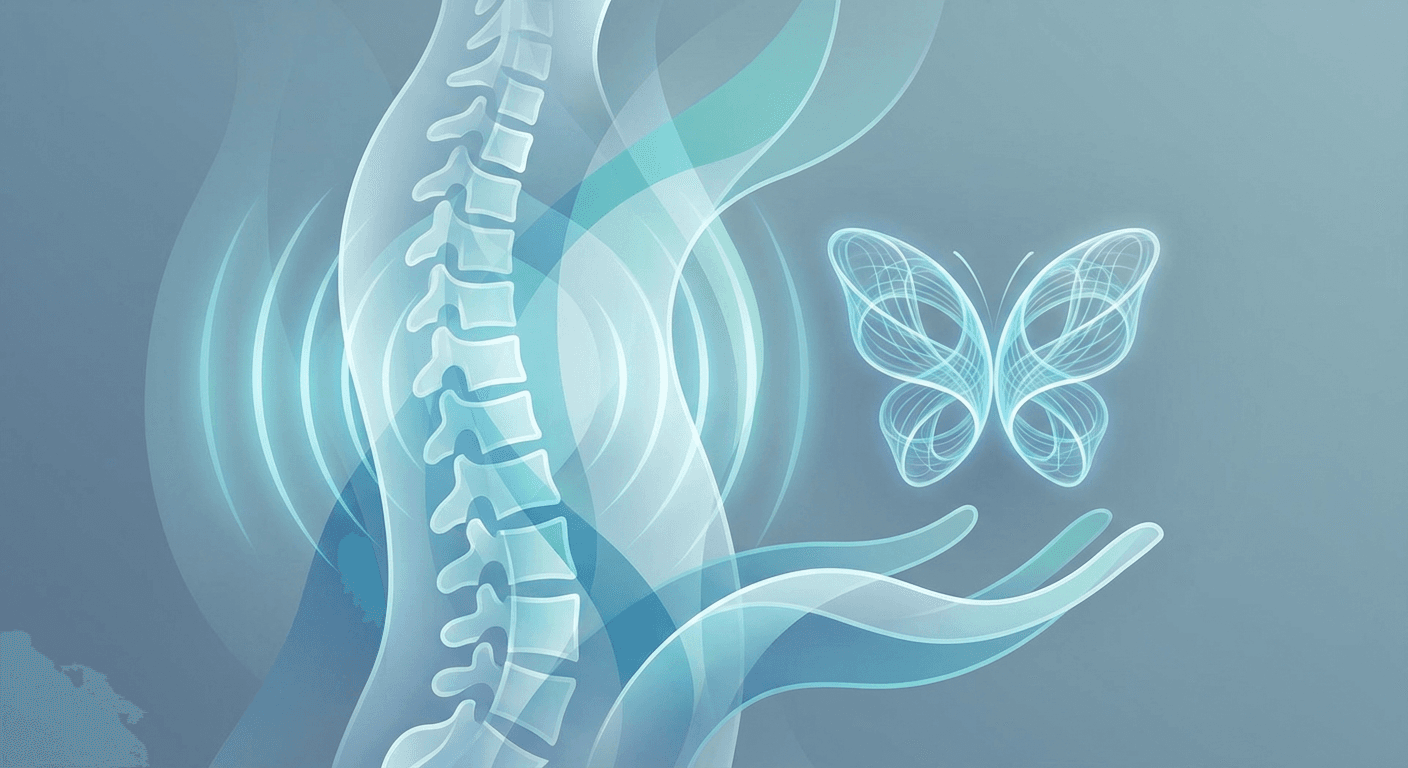
Back pain can occur in lupus due to inflammatory sacroiliitis, osteoporosis-related vertebral compression fractures, or soft-tissue and tendon issues, though peripheral joints are more commonly affected. Prolonged morning stiffness, improvement with activity, night pain, and alternating buttock pain point to inflammation and may warrant MRI of the sacroiliac joints, while sudden mid/low-back pain with height loss suggests a compression fracture; strain-related pain usually follows an incident and improves with rest.
Yes back pain can be associated with lupus, but it’s less common than pain in the peripheral joints and has several different possible causes. [1] Many people with lupus experience joint and muscle pain in the hands, wrists, knees, and other joints, along with fatigue and flares, and some will also report lower back or buttock pain when structures like the sacroiliac joints, vertebrae, or nearby soft tissues are involved. [2] [1]
Why lupus can cause back pain
- Inflammatory joint involvement (sacroiliitis). A subset of people with systemic lupus erythematosus (SLE) develop inflammation of the sacroiliac joints (where the spine meets the pelvis), which can cause deep buttock pain and low back pain. In clinical cohorts, inflammatory low back pain is reported in about 1 in 10 people with SLE, and imaging evidence of sacroiliitis is seen in a meaningful minority. [3] This supports that back pain in lupus can sometimes be inflammatory and joint-related. [3]
- Osteoporosis and vertebral compression fractures. Lupus and its treatments can increase fracture risk; vertebral compression fractures can cause mid‑ or low‑back pain and height loss and are often underdiagnosed. In one study of women with SLE, nearly a third had radiographic vertebral compression fractures despite few clinical diagnoses. [4] This means back pain in SLE may sometimes reflect a silent spine fracture rather than a strain. [4]
- Tendon/ligament problems and soft-tissue pain. Lupus can be associated with tendon and ligament derangements around the pelvis and spine, which may contribute to low back symptoms. [3] This broad musculoskeletal involvement can create back pain patterns that differ from simple muscle strain. [3]
- Coexisting conditions. People with lupus have higher rates of centralized pain disorders (for example, fibromyalgia), which can amplify back pain intensity and persistence even when inflammation is mild. [5] Chronic musculoskeletal pain is common in SLE and may have multiple overlapping sources. [6]
How inflammatory (lupus-related) back pain differs from mechanical strain
While no single sign is definitive, the following features tend to distinguish inflammatory back pain from mechanical (strain-related) pain:
-
Onset and age
- Inflammatory: Often gradual onset, may start in younger adulthood, and persists for more than 3 months. [7]
- Mechanical: Often follows a specific incident (lifting, twisting) and improves over days to weeks with rest.
-
Timing and pattern
- Inflammatory: Worse in the morning with stiffness lasting 30–60+ minutes; may improve significantly with movement and activity; tends to wake a person in the second half of the night. [7]
- Mechanical: Worse with activity or certain positions; improves with rest and changes in posture; morning stiffness, if present, is usually brief.
-
Location and radiation
-
Response to medication
- Inflammatory: May respond well to anti-inflammatory medicines and directed lupus therapy, while rest alone is less helpful. [7]
- Mechanical: Often improves with rest, ice/heat, and short courses of simple analgesics.
-
Associated lupus signs
When to suspect sacroiliitis or another inflammatory cause
If your back pain shows several “inflammatory” features morning stiffness, night pain, improvement with activity, alternating buttock pain or if you have known lupus with current joint or skin flare symptoms, an inflammatory source is more likely than a simple strain. [7] Imaging of the sacroiliac joints can help: X‑rays detect structural damage later, while MRI can identify active inflammation earlier and is often the preferred test for suspected sacroiliitis. [9] [8] In SLE, sacroiliitis is not rare on imaging, so this evaluation can be informative when symptoms fit. [3]
Other lupus-related causes that can mimic back strain
- Vertebral compression fractures: Consider if there is sudden mid‑ or low‑back pain, height loss, or pain with standing that eases when lying down; SLE and its treatments can raise fracture risk even without high steroid doses. [4] Early detection matters because fractures are common yet often missed. [4]
- Muscle and tendon pain: Lupus-related tendon/ligament derangements and widespread soft-tissue pain can contribute to persistent back discomfort. [3] Coexisting centralized pain can also heighten back pain severity. [5] [6]
Practical steps to tell the difference at home
- Track patterns for 1–2 weeks:
- Is stiffness long in the morning and better with activity (suggests inflammatory)? [7]
- Did it start after a clear strain and ease with rest (suggests mechanical)?
- Note accompanying signs:
- Try gentle activity:
- Inflammatory back pain often improves with movement; purely mechanical strain may prefer relative rest initially. [7]
If your pattern points to inflammation or the pain persists beyond a few weeks, getting checked is reasonable.
What your clinician may do
- History and exam focusing on inflammatory back pain features, neurologic status, and other lupus activity signs. [7]
- Lab tests as needed to evaluate lupus activity and other causes of pain. [11]
- Imaging:
These steps help differentiate lupus-related inflammation from mechanical causes and guide treatment. [9] [8]
Treatment overview
- If inflammatory/lupus-related: Managing the lupus flare and joint inflammation typically helps back pain; anti-inflammatory medications and disease-specific treatments may be used under clinical guidance. [1] [11]
- If mechanical strain: Relative rest, gradual return to activity, physical therapy, core strengthening, and short-term pain relief strategies are commonly helpful.
- If vertebral fracture or osteoporosis: Bone health evaluation and targeted therapy are important to prevent further fractures. [4]
Quick comparison table
| Feature | Inflammatory (lupus-related) back pain | Mechanical strain back pain |
|---|---|---|
| Onset | Gradual, >3 months common [7] | After a specific incident; short-term |
| Morning stiffness | Prolonged, >30–60 minutes [7] | Brief, if present |
| Activity vs. rest | Better with movement; worse with prolonged rest [7] | Worse with activity/positions; better with rest |
| Night pain | Often wakes in second half of night [7] | Less typical |
| Location | Deep buttock/low back; may alternate sides (sacroiliitis) [8] [9] | Localized low back; may radiate with nerve irritation |
| Imaging | MRI SI joints shows early inflammation [9] | Often normal; shows degenerative/strain findings if present |
| Associated lupus signs | Joint pain/swelling, rashes, chest pain with deep breaths, fatigue during flares [1] [10] | Usually absent |
Bottom line
- Back pain can occur in lupus, though peripheral joint and muscle pain are more common overall. [2] [1]
- Features like morning stiffness, improvement with activity, night pain, and alternating buttock pain raise concern for inflammatory sacroiliac involvement, which is documented in a subset of people with SLE. [7] [3]
- Imaging especially MRI of the sacroiliac joints helps confirm inflammatory causes, while spine films can identify vertebral compression fractures that are surprisingly common in SLE. [9] [8] [4]
- If your back pain has inflammatory features, persists, or occurs with other lupus symptoms, consider medical evaluation for targeted testing and treatment. [1] [11]
Related Questions
Related Articles

Sources
- 1.^abcdefghSymptoms of Lupus(cdc.gov)
- 2.^abSymptoms(stanfordhealthcare.org)
- 3.^abcdefgTendinous and ligamentous derangements in systemic lupus erythematosus.(pubmed.ncbi.nlm.nih.gov)
- 4.^abcdefgPrevalence and risk factors of vertebral compression fractures in female SLE patients.(pubmed.ncbi.nlm.nih.gov)
- 5.^abPrescription Opioid Use in Patients With and Without Systemic ...(cdc.gov)
- 6.^abPrescription Opioid Use in Patients With and Without Systemic ...(cdc.gov)
- 7.^abcdefghijklInflammatory back pain.(pubmed.ncbi.nlm.nih.gov)
- 8.^abcdefgSacroiliitis associated with axial spondyloarthropathy: new concepts and latest trends.(pubmed.ncbi.nlm.nih.gov)
- 9.^abcdefgImaging of inflammatory rheumatic diseases of the axial skeleton (sacroiliitis): when and how should we use MRI?(pubmed.ncbi.nlm.nih.gov)
- 10.^abcLupus(medlineplus.gov)
- 11.^abcLupus(cdc.gov)
Important Notice: This information is provided for educational purposes only and is not intended to replace professional medical advice, diagnosis, or treatment. Always consult with a qualified healthcare provider before making any medical decisions.