
 Persly Medical Team
Shortness of breath in lung cancer: causes and care
Key Takeaway:
Shortness of Breath in Lung Cancer: What Causes It and How to Manage It
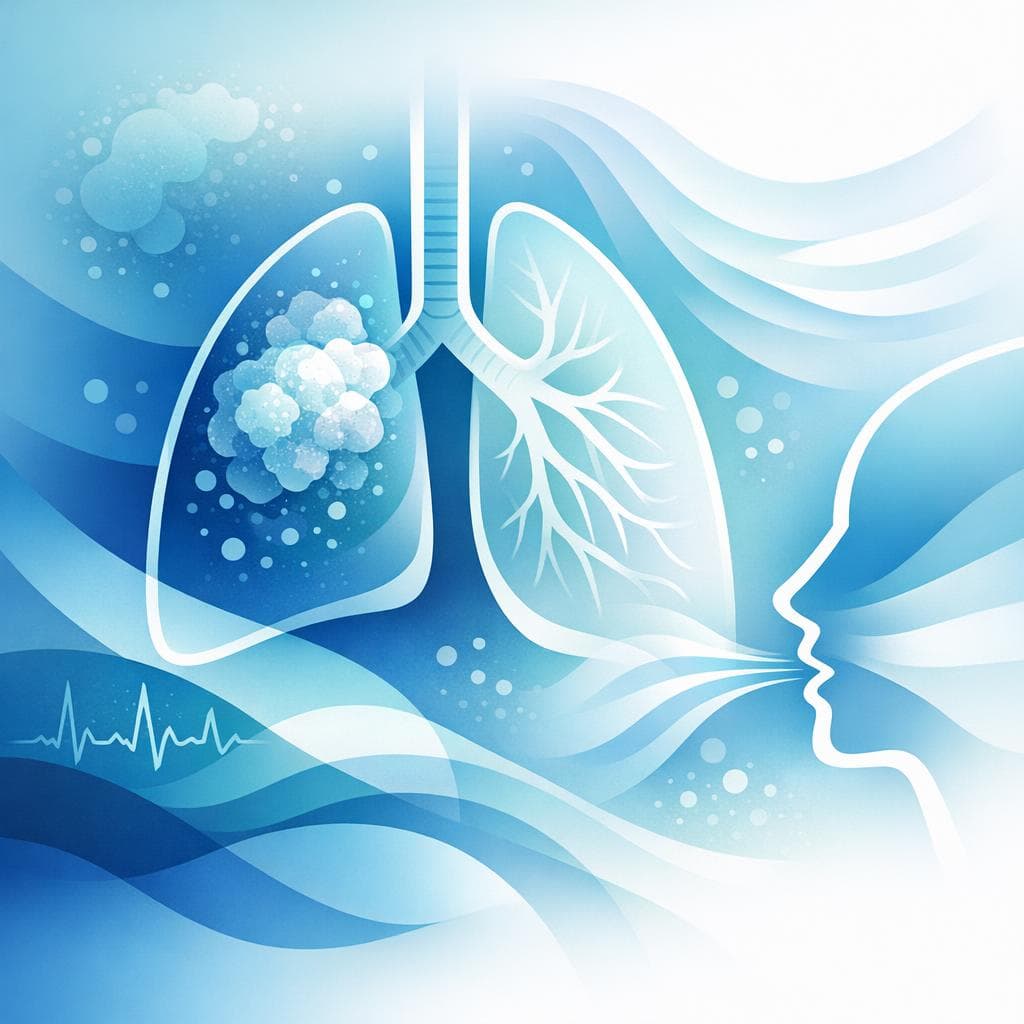
Shortness of breath (dyspnea) is a common and distressing symptom in lung cancer, and it often happens when tumors narrow or block major airways or when fluid builds up around the lungs or heart. [1] Fluid accumulation in the chest (pleural effusion) can further limit lung expansion and make breathing feel harder. [2]
Why Lung Cancer Causes Breathlessness
- Airway obstruction: Tumors can grow inside or press on the bronchi (the large breathing tubes), narrowing airflow and causing the sensation of not getting enough air. [1] This mechanical blockage reduces ventilation and can worsen with activity or infection. [1]
- Pleural effusion (fluid around the lung): Cancer can cause fluid to collect in the pleural space, the thin gap around the lung, which prevents full lung expansion and triggers breathlessness. [2] Draining the fluid can relieve symptoms and, in some cases, procedures can help reduce recurrence. [2]
- Fluid around the heart: Fluid can also accumulate around the heart (pericardial effusion), contributing to shortness of breath by limiting normal heart function and lung expansion. [3] This added pressure compounds the breathing difficulty. [3]
How Doctors Evaluate It
- Clinical assessment: Your clinician will ask when breathlessness occurs (at rest vs. exertion), look for signs like rapid breathing or bluish skin, and check oxygen levels to pinpoint causes and guide treatment. [4] Early reporting of even mild breathlessness helps the team intervene sooner. [4]
- Imaging and tests: Chest X-ray or CT scans can reveal airway narrowing or pleural effusion, while ultrasound helps guide safe drainage of chest fluid. [2] Oxygen measurements and sometimes heart evaluation are considered if fluid around the heart is suspected. [3]
Medical Treatments That Can Help
- Drainage of pleural effusion: Therapeutic thoracentesis removes fluid to let the lung re-expand; additional treatments may lower the chance of fluid coming back. [2] Many people feel immediate relief after drainage as the lung has more room to expand. [2]
- Relieving airway blockage: Depending on location and severity, options may include bronchoscopy to open narrowed airways, localized radiation, or other tumor-directed treatments to improve airflow. [5] [6]
- Oxygen and medicines: Supplemental oxygen and symptom-relief medications can ease breathing discomfort, though they may not fully resolve the sensation in all cases. [7] When symptoms worsen, clinicians can adjust or add therapies tailored to your needs. [8]
- Complementary approaches: Techniques such as guided relaxation may be integrated with medical care to help reduce the distress tied to shortness of breath. [9]
Practical Self‑Care Strategies
- Relaxation and pacing: Anxiety can tighten breathing; simple relaxation activities and pacing your movements can make breathing feel easier. [7] Breathing through pursed lips and timing your breaths with activity helps many people conserve energy. [8]
- Energy conservation: Prioritize essential tasks and take breaks to avoid overexertion that can trigger breathlessness. [8] Saving energy for what matters most can reduce daily symptom burden. [8]
- Oxygen and air flow: Learn proper use of oxygen if prescribed, and use a fan or gentle breeze to create a cooling airflow that often reduces the sensation of breathlessness. [10] Understanding your oxygen setup empowers you to respond quickly when symptoms rise. [11]
- Know when to call: If breathlessness is hard to control or suddenly worsens, contact your care team promptly; urgent help is needed if severe. [10] Quick communication allows timely adjustments in treatment and supports safety at home. [10]
Quick Reference: Causes and Management
| Issue | What it is | Why it causes breathlessness | Typical management |
|---|---|---|---|
| Airway obstruction | Tumor narrows major airways | Limits airflow and lung ventilation | Bronchoscopic opening, localized therapy, symptom medications |
| Pleural effusion | Fluid in pleural space around the lung | Prevents full lung expansion | Thoracentesis, procedures to reduce recurrence |
| Fluid around heart | Pericardial fluid from cancer | Adds pressure, reduces effective lung expansion | Cardiac assessment, drainage if indicated |
| Symptom distress | Anxiety linked to dyspnea | Increases breathing effort and discomfort | Relaxation, pacing, pursed-lip breathing |
| Oxygen need | Low blood oxygen in some cases | Worsens fatigue and breathlessness | Prescribed oxygen, proper use education |
When to Seek Help
- Early reporting matters: Tell your care team about new or worsening breathlessness, even if mild, to find causes and start treatment quickly. [4] Monitoring oxygen and symptoms guides safer, more effective care. [4]
- Urgent symptoms: If you cannot control your shortness of breath or it escalates quickly, reach out to your team or emergency services for immediate support. [10] Acting fast can prevent complications and improve comfort. [10]
Bottom Line
- Yes, shortness of breath is common in lung cancer, often due to airway blockage and fluid around the lungs or heart limiting lung expansion. [1] [2] [3]
- There are multiple effective ways to manage it, including fluid drainage, airway interventions, oxygen and medicines, and practical techniques like pursed‑lip breathing, relaxation, and energy conservation. [2] [7] [8] [10] [11]
궁금한 점 있으면 언제든 퍼슬리에 물어보세요.
Related Questions
Related Articles


Sources
- 1.^abcdeLung cancer - Symptoms and causes(mayoclinic.org)
- 2.^abcdefghiLung cancer - Symptoms and causes(mayoclinic.org)
- 3.^abcdeSymptoms and causes - Mayo Clinic(mayoclinic.org)
- 4.^abcdPalliative care - shortness of breath: MedlinePlus Medical Encyclopedia(medlineplus.gov)
- 5.^abLung cancer - Doctors and departments(mayoclinic.org)
- 6.^abLung cancer - Doctors and departments(mayoclinic.org)
- 7.^abcdeLung cancer - Diagnosis and treatment(mayoclinic.org)
- 8.^abcdefLung cancer - Diagnosis and treatment(mayoclinic.org)
- 9.^↑Lung cancer - Diagnosis and treatment(mayoclinic.org)
- 10.^abcdefgPalliative care - shortness of breath: MedlinePlus Medical Encyclopedia(medlineplus.gov)
- 11.^abcPalliative care - shortness of breath: MedlinePlus Medical Encyclopedia(medlineplus.gov)
Important Notice: This information is provided for educational purposes only and is not intended to replace professional medical advice, diagnosis, or treatment. Always consult with a qualified healthcare provider before making any medical decisions.