
 Persly Medical Team
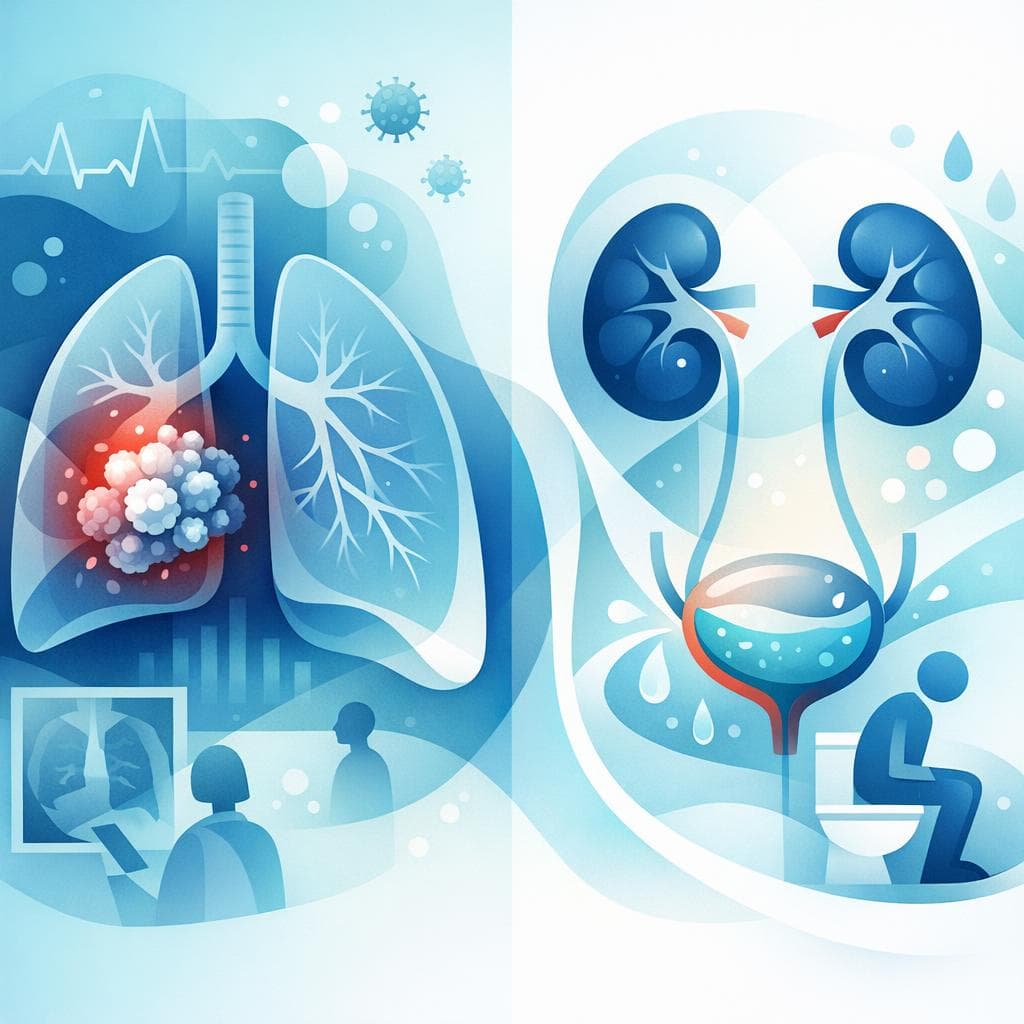
Is frequent urination linked to lung cancer?
Is frequent urination a common symptom of Lung Cancer? Causes and Management
Frequent urination is not a common symptom of lung cancer. Lung cancer usually presents with signs such as a persistent cough, chest pain, shortness of breath, wheezing, hoarseness, coughing up blood, and unintended weight loss. [1] Frequent urination typically stems from urinary tract, hormonal, neurologic, or medication-related issues rather than the lungs. [2]
What are typical lung cancer symptoms?
- A new cough that doesn’t go away, chest pain, shortness of breath, wheezing, hoarseness, and coughing up blood are characteristic. [1]
- Systemic signs can include unexplained weight loss and fatigue. [3]
- Complications such as fluid around the lungs (pleural effusion) may cause breathlessness, not urinary frequency. [4] [5]
In short, urinary frequency is not on the usual lung cancer symptom list. [1] [3]
Can lung cancer indirectly affect urination?
While uncommon, lung cancer can trigger “paraneoplastic syndromes,” which are body-wide effects caused by the cancer’s interaction with the immune or hormonal systems. [6] Some paraneoplastic effects alter autonomic nerve function that controls bladder activity, but this is rare and nonspecific. [7] Another paraneoplastic condition, SIADH (syndrome of inappropriate antidiuretic hormone secretion), is associated with certain cancers including lung cancer; SIADH causes water retention and low sodium with concentrated urine rather than frequent large volumes, and symptoms are usually related to low sodium (confusion, headaches, nausea). [8]
Therefore, lung cancer rarely causes urinary frequency; when it affects urination, it is usually via rare, indirect mechanisms. [6] [7] [8]
Common causes of frequent urination
Frequent urination is most often due to conditions affecting the urinary tract or systemic fluid balance. [2]
- Urinary tract infection or bladder irritation: urgency, burning, and small volumes are typical. [2]
- Overactive bladder or interstitial cystitis (chronic bladder inflammation). [9]
- Diabetes or uncontrolled blood sugar increasing urine production. [9]
- Diuretics and beverages: caffeine, alcohol, and water pills increase urine output. [2] [9]
- Pregnancy, pelvic masses, or neurologic disorders affecting bladder control. [9]
- Cancer treatments: Some chemotherapy drugs can irritate the bladder, causing urgency, burning, or blood in urine. [10] [11]
These causes are far more likely than lung cancer when someone has frequent urination. [2] [9]
When to seek medical care
It’s reasonable to check in if there isn’t an obvious trigger (like caffeine or increased fluids), the frequency disrupts sleep or daily life, or you have other concerning urinary symptoms. [12] Seek prompt care if you notice blood in urine, pain with urination, side or lower belly pain, fever, trouble passing urine, or loss of bladder control. [13]
Because frequent urination has many causes, evaluation is guided by your specific symptoms and history. [12] [13]
How is frequent urination evaluated?
- History and exam: triggers (fluids, caffeine), timing (day vs night), pain or burning, blood in urine, fever, pelvic or side pain, medications, neurologic symptoms. [14]
- Urinalysis and culture: checks for infection, blood, protein, glucose, and inflammation. [14]
- Blood tests: blood sugar, electrolytes (including sodium if SIADH is suspected), kidney function. [14]
- Imaging: ultrasound or other studies if stones, obstruction, or masses are suspected. [14]
Management strategies
Management depends on the cause; the following are general approaches. [2]
- Treat infections: antibiotics if a UTI is confirmed; stay hydrated and follow-up if symptoms persist. [2]
- Behavioral strategies: bladder training (scheduled voiding), pelvic floor exercises, and reducing bladder irritants (caffeine, alcohol, spicy foods). [2]
- Medication review: consider adjusting diuretics or other drugs that increase urination, with clinician guidance. [2]
- Manage overactive bladder: antimuscarinic or beta-3 agonist medications may be considered, alongside behavioral therapy. [2]
- Address systemic causes: optimize diabetes control; evaluate electrolytes and hormones if SIADH or other endocrine issues are suspected. [8] [2]
- Cancer treatment-related bladder irritation: report urgency, burning, or blood in urine to your oncology team; they may order urinalysis, adjust medications, and give supportive care. [10] [11]
Quick comparison: lung cancer vs frequent urination
| Feature | Lung Cancer | Frequent Urination |
|---|---|---|
| Common symptoms | Persistent cough, chest pain, shortness of breath, wheezing, hoarseness, coughing up blood, weight loss. [1] [3] | Urgency, frequent small volumes, nocturia; may include burning or pain if infection/irritation. [2] |
| Typical causes | Tumor in lungs; complications like pleural effusion. [4] [5] | UTI/bladder irritation, overactive bladder, diabetes, diuretics/caffeine, pregnancy, pelvic masses, neurologic disorders. [2] [9] |
| Link to urination | Not a typical symptom; rare indirect effects via paraneoplastic syndromes or SIADH (usually concentrated urine, low sodium). [6] [7] [8] | Direct urinary tract or systemic fluid regulation issues. [2] |
Bottom line
- Frequent urination is not a common symptom of lung cancer and more typical lung cancer signs involve the chest and breathing. [1] [3]
- Most cases of urinary frequency have urologic or metabolic causes, and they can usually be identified with simple tests. [2]
- If you’re experiencing frequent urination without a clear reason or with red-flag symptoms (blood in urine, pain, fever, trouble urinating), getting evaluated is advisable. [13] [12]
Related Questions
Related Articles


Sources
- 1.^abcdeLung cancer - Symptoms and causes(mayoclinic.org)
- 2.^abcdefghijklmnoFrequent urination Causes(mayoclinic.org)
- 3.^abcdSymptoms of Lung Cancer(cdc.gov)
- 4.^abLung cancer - Symptoms and causes(mayoclinic.org)
- 5.^abLung cancer - Symptoms and causes(mayoclinic.org)
- 6.^abcParaneoplastic syndromes of the nervous system - Symptoms and causes(mayoclinic.org)
- 7.^abcParaneoplastic syndromes of the nervous system - Symptoms and causes(mayoclinic.org)
- 8.^abcdSyndrome of inappropriate antidiuretic hormone secretion: MedlinePlus Medical Encyclopedia(medlineplus.gov)
- 9.^abcdefFrequent or urgent urination: MedlinePlus Medical Encyclopedia(medlineplus.gov)
- 10.^abNeoadjuvant Therapy for Breast Cancer: What It Is, How To Manage Side Effects, and Answers to Common Questions(mskcc.org)
- 11.^abAdjuvant Therapy for Breast Cancer: What It Is, How To Manage Side Effects, and Answers to Common Questions(mskcc.org)
- 12.^abcFrequent urination When to see a doctor(mayoclinic.org)
- 13.^abcFrequent urination When to see a doctor(mayoclinic.org)
- 14.^abcdFrequent urination When to see a doctor(mayoclinic.org)
Important Notice: This information is provided for educational purposes only and is not intended to replace professional medical advice, diagnosis, or treatment. Always consult with a qualified healthcare provider before making any medical decisions.