
 Persly Medical Team
Depression in Lung Cancer: Prevalence, Causes, Care
Is Depression a Common Symptom of Lung Cancer? Causes and Management
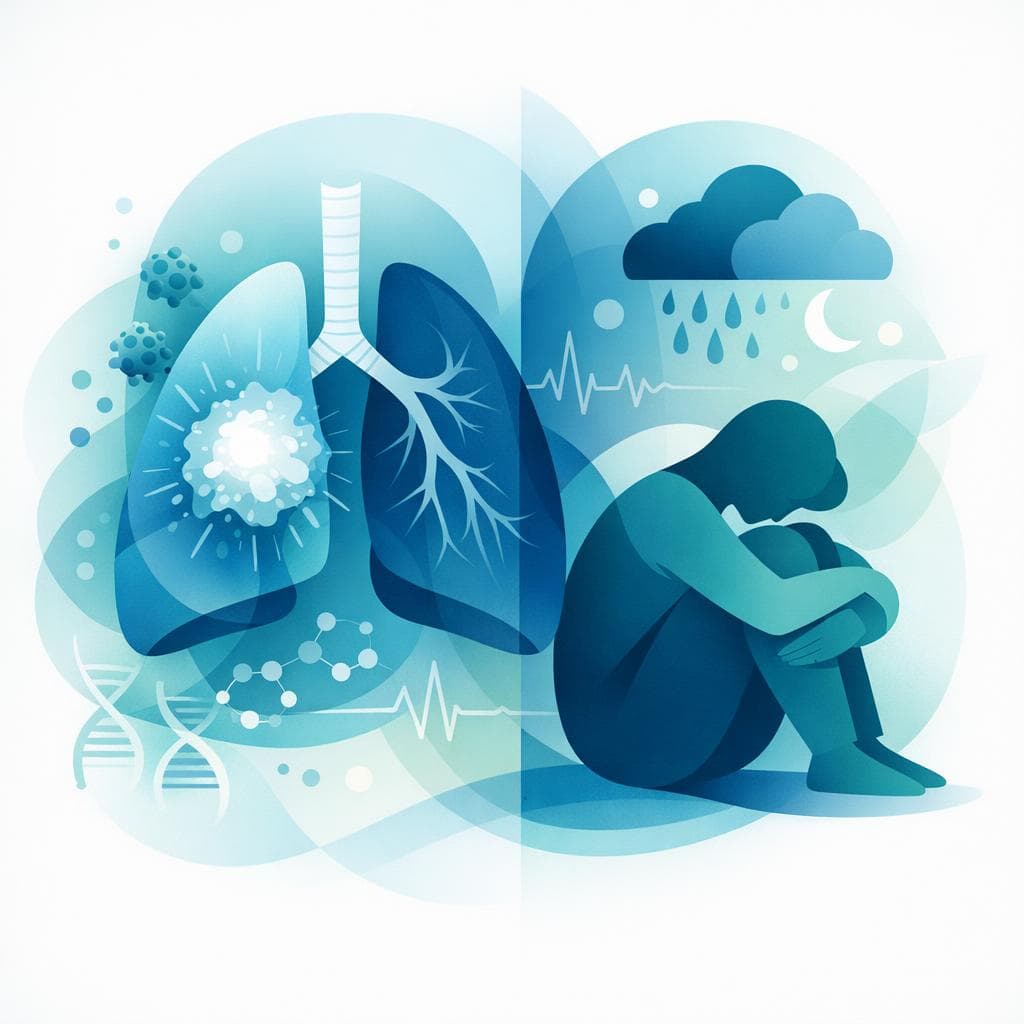
Depression is a common and understandable reaction in people living with lung cancer, and it can affect day‑to‑day functioning and quality of life. Many individuals with cancer experience psychological distress, and routine screening is recommended to identify depression early so it can be treated. [1] [2] Early recognition and management are important because mood symptoms can influence treatment engagement and overall outcomes. [2]
How Common Is Depression in Lung Cancer?
- Many people with cancer report distress, including depression; standard practice recommends psychosocial distress screening during and after treatment. [1]
- In advanced or metastatic lung cancer, anxiety and depression occur frequently and correlate with poorer physical status, palliative treatment needs, and prolonged hospitalization. [3]
Why Depression Happens in Lung Cancer
Depression arises from a mix of emotional, physical, and practical stressors linked to the cancer journey:
- Life changes and fear related to diagnosis, treatment, and prognosis can trigger persistent sadness and loss of interest. [4]
- Worries about treatment effects, body image, daily functioning, finances, and family responsibilities can add ongoing stress. [5]
- Fatigue, sleep changes, cognitive strain, and anxiety commonly co‑occur and can reinforce depressive symptoms. [6] [7]
- In advanced disease, functional decline and the need for palliative care often associate with higher depression levels. [3]
What Depression Can Look Like
Depression is more than feeling sad for a few days; it is a treatable mood condition that can interfere with daily life. [6]
Common signs include sleep or appetite changes, persistent low mood or hopelessness, loss of pleasure, low energy, slowed thinking or movement, anxiety, trouble focusing, guilt or worthlessness, and in severe cases thoughts of self‑harm. [6] [7] If these symptoms affect your routine, it may be depression and warrants timely support. [6]
Screening and Diagnosis
- Routine distress screening in cancer care teams helps detect depression early and connect people to support. [1]
- Facilities accredited to deliver cancer care are expected to provide distress screening processes and pathways to care. [2]
Evidence‑Based Management Options
A combined approach is often most helpful, tailored to your medical treatments and personal preferences.
1) Talk With Your Care Team
- Let your oncology team know about mood changes; they can coordinate mental health support and practical resources. [8]
- Support services are available seven days a week in some centers, making timely help more accessible. [8]
2) Psychotherapy (Talking Therapies)
- Cognitive behavioral therapy (CBT) can reduce anxiety and depression and improve quality of life around the time of lung cancer diagnosis. [9]
- Integrated, collaborative depression care models (linking oncology with mental health and primary care) have shown benefit in poor‑prognosis cancers, including lung cancer. [10]
- Stepped‑care programs (from guided self‑help to specialized therapy) can reduce distress in lung cancer populations. [11]
- Mindfulness‑based programs may help reduce anxiety and depressive symptoms for people with lung cancer and their partners, and can be considered as part of supportive care. [12]
3) Medications (Antidepressants)
- Antidepressants may be considered, especially for moderate to severe depression; your clinicians will review safety with your cancer treatments and anti‑nausea medicines. [2]
- Some antidepressants that boost serotonin (SSRIs/SNRIs) can interact with common anti‑nausea drugs (5‑HT3 antagonists like ondansetron), potentially increasing the risk of serotonin syndrome; careful monitoring or alternative choices may be needed. [13] [14] [15]
- Your team will evaluate potential side effects, bleeding risks, and drug interactions in the context of chemotherapy, immunotherapy, or targeted treatments. [14]
4) Supportive Resources
- Emotional support from licensed counselors, social workers, psycho‑oncology specialists, support groups, and caregiver programs can lower stress and improve coping. [8]
- Structured programs aimed at older adults highlight that depression is not “just part of aging,” even with cancer, and that timely treatment is effective. [16]
5) Practical and Lifestyle Supports
- Address sleep, pain, fatigue, and nutrition; these physical symptoms can amplify depression if left unaddressed. [6]
- Gentle activity, relaxation skills, and mindfulness can complement medical care and help manage anxiety and low mood. [8]
- In advanced disease or when performance status is low, earlier mental health assessment and palliative care involvement may help stabilize symptoms. [3]
Safety First: When to Seek Urgent Help
- If there are thoughts of self‑harm or suicide, immediate support is essential; tell a clinician right away or use emergency services. [7]
- Persistent or worsening depression that disrupts daily activities should prompt timely evaluation and treatment adjustments. [6]
Key Takeaways
- Depression is common in lung cancer and is treatable; early screening and support are recommended in all care settings. [1] [2]
- Causes are multi‑factorial, including emotional stressors, physical symptoms, and practical challenges of cancer care. [4] [5]
- Effective management often combines psychotherapy, collaborative care, appropriate medications with interaction monitoring, and robust supportive services. [10] [11] [9] [8]
- Report mood changes to your oncology team so they can connect you to the right resources at the right time. [8]
Related Questions
Related Articles


Sources
- 1.^abcdImproving Mental Health Care for People with Cancer(cdc.gov)
- 2.^abcdeImproving Mental Health Care for People with Cancer(cdc.gov)
- 3.^abcAnxiety and Depression in Advanced and Metastatic Lung Cancer Patients-Correlations with Performance Status and Type of Treatment.(pubmed.ncbi.nlm.nih.gov)
- 4.^abManaging Depression During Your Cancer Treatment(mskcc.org)
- 5.^abManaging Depression During Your Cancer Treatment(mskcc.org)
- 6.^abcdefManaging Depression During Your Cancer Treatment(mskcc.org)
- 7.^abcManaging Depression During Your Cancer Treatment(mskcc.org)
- 8.^abcdefManaging Depression During Your Cancer Treatment(mskcc.org)
- 9.^abEffect of Cognitive Behavioral Therapy on Improving Anxiety, Depression, and Quality of Life in Pre-Diagnosed Lung Cancer Patients.(pubmed.ncbi.nlm.nih.gov)
- 10.^abIntegrated collaborative care for major depression comorbid with a poor prognosis cancer (SMaRT Oncology-3): a multicentre randomised controlled trial in patients with lung cancer.(pubmed.ncbi.nlm.nih.gov)
- 11.^abStepped care targeting psychological distress in head and neck cancer and lung cancer patients: a randomized, controlled trial.(pubmed.ncbi.nlm.nih.gov)
- 12.^↑Study protocol of a randomized controlled trial comparing Mindfulness-Based Stress Reduction with treatment as usual in reducing psychological distress in patients with lung cancer and their partners: the MILON study.(pubmed.ncbi.nlm.nih.gov)
- 13.^↑237-NSCLC adjuvant ciSplatin and vinORELBine(eviq.org.au)
- 14.^ab3802-NSCLC adjuvant ciSplatin and pemetrexed(eviq.org.au)
- 15.^↑224-NSCLC metastatic DOCEtaxel weekly SUPERSEDED(eviq.org.au)
- 16.^↑Identifying Depression in Older Adults with Cancer(mskcc.org)
Important Notice: This information is provided for educational purposes only and is not intended to replace professional medical advice, diagnosis, or treatment. Always consult with a qualified healthcare provider before making any medical decisions.