
 Persly Medical Team
Chest Pain in Lung Cancer: How Common, Causes, Care
Chest Pain in Lung Cancer: How Common, Causes, and Management
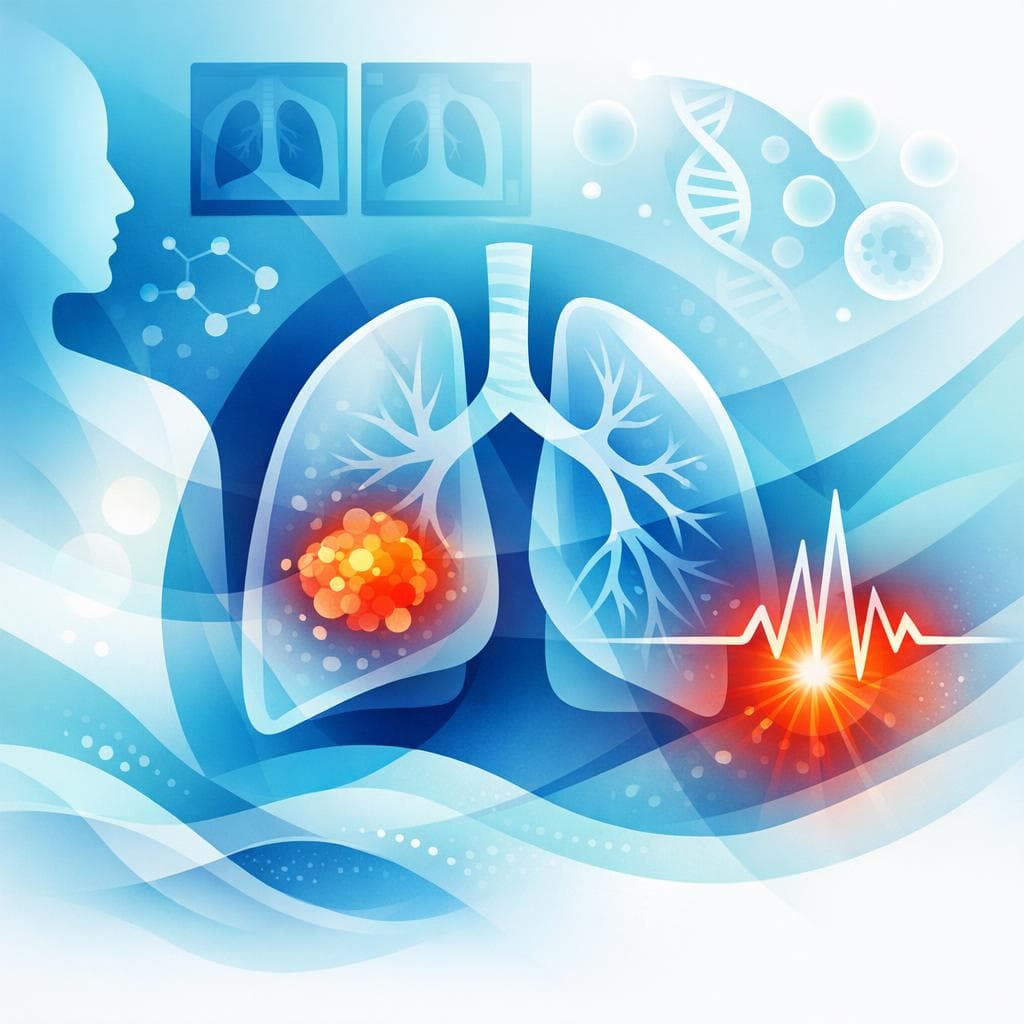
Chest pain can be a symptom of lung cancer, though it varies by person and stage. Multiple respected clinical sources list chest pain among common lung cancer symptoms, alongside cough, shortness of breath, wheezing, and weight loss. [1] People may notice chest pain early or only when the cancer is more advanced, and some have no symptoms until later. [2] [3]
How Common Is Chest Pain in Lung Cancer?
Chest pain is recognized as a possible symptom in lung cancer across major medical centers and public health resources. It appears routinely in symptom lists from leading organizations. [4] However, not everyone with lung cancer experiences chest pain, and symptoms can differ widely between individuals. [3] Many people do not notice symptoms until the cancer is advanced, which means chest pain may be absent early on. [5]
Why Lung Cancer Can Cause Chest Pain
Several mechanisms can lead to chest pain in lung cancer:
- Tumor near the lung’s edge irritates the pleura (the thin lining around the lungs) or chest wall, causing sharp or sometimes persistent pain. Irritation or invasion of pleural tissues can produce localized, sometimes stabbing discomfort. [2]
- Pleural effusion (fluid build‑up around the lung) can create pressure and discomfort, often with shortness of breath. This fluid collects in the pleural space and can be drained to relieve symptoms. [6]
- Spread (metastasis) to the pleura or ribs can trigger ongoing pain, sometimes dull or aching, and may worsen with movement or breathing. Pain can intensify if the lining of the lung or bone is involved. [7]
- Airway bleeding and irritation from the tumor can contribute to cough and chest discomfort, occasionally with blood in the sputum. Severe bleeding is uncommon but needs urgent attention. [7]
- General lung symptoms such as persistent cough and shortness of breath can coexist with chest pain. Symptom clusters often occur together. [1] [4]
Related Symptoms to Watch
Chest pain often appears with other lung cancer symptoms, including a new or worsening cough, coughing up blood, hoarseness, wheezing, and shortness of breath. These symptoms can overlap and change over time. [2] Unintentional weight loss, fatigue, recurrent pneumonia, or swelling in the face/neck may also occur and should prompt medical review. These are recognized warning signs that warrant timely assessment. [3]
When to Seek Medical Care
Any new, persistent, or worsening chest pain should be discussed with a clinician, especially if it pairs with cough, breathlessness, or coughing up blood. Early evaluation helps determine the cause and next steps. [2] Many lung cancers are first detected on chest imaging (X‑ray or CT), sometimes before symptoms arise. Imaging can reveal suspicious spots that require further testing, such as biopsy. [8] Chest pain alone can have many causes, not just cancer, so professional assessment is important. Clinicians will differentiate cardiac, musculoskeletal, and pulmonary sources. [4]
How Chest Pain Is Managed
Management is tailored to the underlying cause and your overall treatment plan. Approaches often combine cancer‑directed therapy and symptom relief. [9]
Cancer‑Directed Treatments
- Systemic therapy (chemotherapy, targeted therapy, immunotherapy) or radiation may shrink tumors and reduce pain. Treating the cancer itself frequently lessens symptoms. [9]
- Procedures for pleural effusion (thoracentesis or pleural drainage) can relieve chest pressure and improve breathing. These interventions aim to reduce fluid recurrence and discomfort. [6]
Pain‑Focused (Palliative) Care
- Comprehensive palliative care can be provided alongside active cancer treatment to improve quality of life. A specialized team supports pain control, breathlessness, and stress. [10] This approach has been shown to help people feel better and may support longer survival when integrated early. Early palliative involvement is beneficial. [9]
- Cancer pain care often uses stepwise medications and non‑drug strategies. Plans may include acetaminophen, anti‑inflammatory drugs, neuropathic agents, opioids when appropriate, and supportive therapies. [11]
- Breathlessness management like breathing techniques, fan therapy, positioning, and, in selected cases, low‑dose opioids can reduce the sensation of chest tightness. These methods complement medical treatment. [12]
Practical Tips for Symptom Relief
A few supportive measures can help while you pursue medical evaluation:
- Track your symptoms (pain location, intensity, triggers, associated cough or breathlessness) to share with your care team. This helps guide testing and treatment. [2]
- Use prescribed pain medicines as directed and avoid unapproved over‑the‑counter combinations; your team will balance effectiveness and safety. [11]
- Manage breathlessness with paced breathing, upright positioning, and a cool fan directed to the face while awaiting definitive care. These can ease discomfort temporarily. [12]
- Seek urgent care for severe chest pain, sudden worsening shortness of breath, or coughing up more than scant blood, as these can signal complications. Prompt action is important. [7]
Key Takeaways
Chest pain can be part of lung cancer, but its presence and severity depend on where the tumor is, whether there is fluid around the lung, and if cancer has spread. Individual experiences vary widely. [1] [2] Diagnosis typically relies on imaging and, when indicated, biopsy, and management blends cancer treatment with palliative care to control pain and improve breathing. Coordinated care offers the best relief. [8] [9] [10] If you notice chest pain with other lung symptoms, don’t delay discussing it with a clinician. Timely assessment supports safer, more effective care. [3] [5]
Related Questions
Related Articles


Sources
- 1.^abcLung Cancer(medlineplus.gov)
- 2.^abcdefLung cancer - Symptoms and causes(mayoclinic.org)
- 3.^abcdSymptoms of Lung Cancer(cdc.gov)
- 4.^abcLung Cancer: Symptoms, Causes, Prevention & Screening Guidelines(mskcc.org)
- 5.^abSymptoms of Lung Cancer(cdc.gov)
- 6.^abLung cancer - Symptoms and causes(mayoclinic.org)
- 7.^abcLung cancer - Symptoms and causes(mayoclinic.org)
- 8.^abLung Cancer: Symptoms, Causes, Prevention & Screening Guidelines(mskcc.org)
- 9.^abcdLung cancer - Diagnosis and treatment(mayoclinic.org)
- 10.^abLung cancer - Diagnosis and treatment(mayoclinic.org)
- 11.^abCancer treatment - dealing with pain: MedlinePlus Medical Encyclopedia(medlineplus.gov)
- 12.^abPalliative care - shortness of breath: MedlinePlus Medical Encyclopedia(medlineplus.gov)
Important Notice: This information is provided for educational purposes only and is not intended to replace professional medical advice, diagnosis, or treatment. Always consult with a qualified healthcare provider before making any medical decisions.