
 Persly Medical Team
Shortness of breath in liver cancer: causes & care
Is Shortness of Breath a Common Symptom of Liver Cancer?
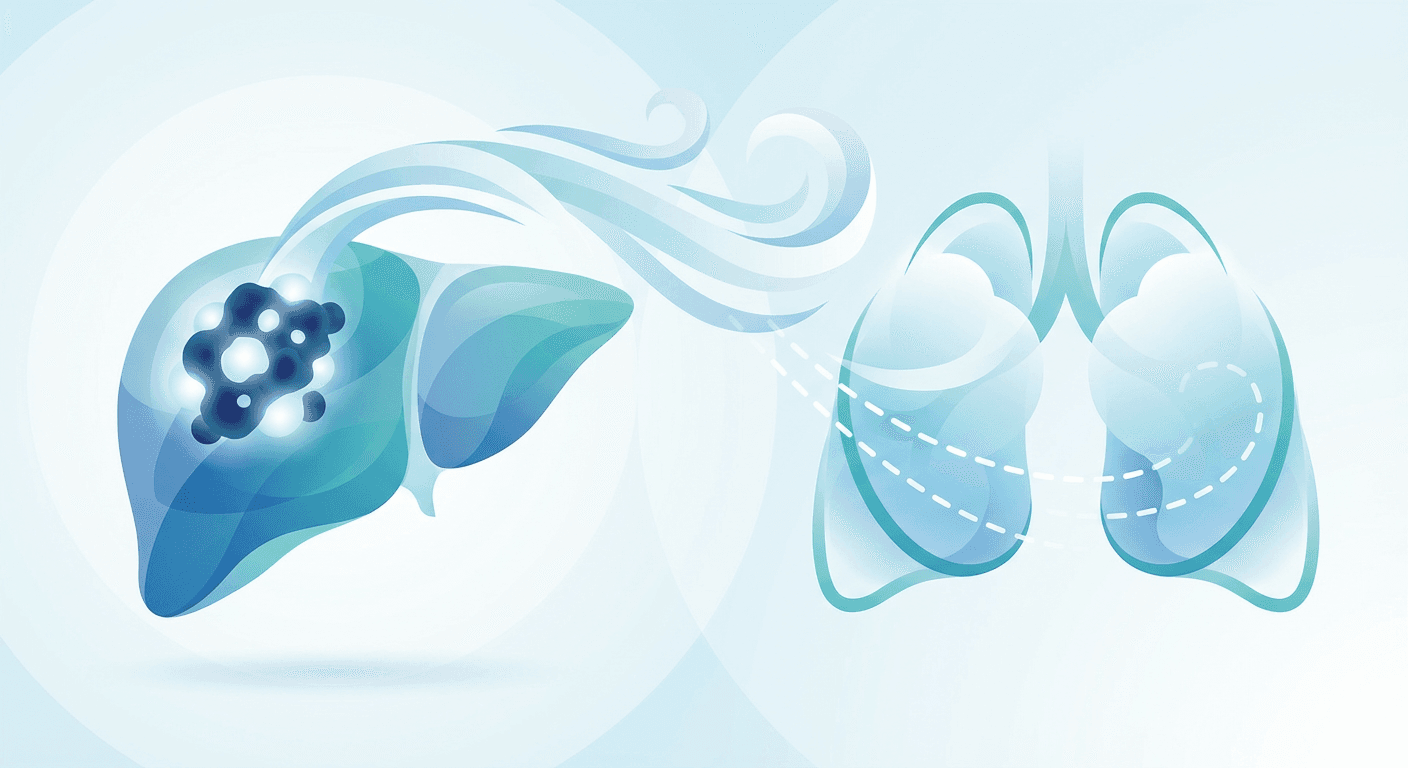
Shortness of breath (dyspnea) is not among the most typical early symptoms of primary liver cancer, but it can occur for several reasons, especially in advanced disease or when complications arise. Breathlessness may result from spread to the lungs, fluid build‑up around the lungs or abdomen, anemia, blood clots, heart or lung comorbidities, or treatment side effects. [1] [2] [3] [4] [5] [6] [7]
How Liver Cancer Leads to Breathlessness
-
Spread to the lungs (lung metastases): When cancer cells travel to the lungs, they can cause cough, pain with deep breathing, and shortness of breath. [2] Metastases can also lead to pleural effusion (fluid around the lung), which restricts lung expansion and causes breathlessness. [2] [3]
-
Pleural disease and fluid build‑up: Metastatic tumor involving the pleura (the lining around the lungs) often leads to fluid accumulation; draining this fluid (thoracentesis) can relieve symptoms. [8]
-
Ascites and hepatic hydrothorax: Large amounts of abdominal fluid from liver failure or cirrhosis can push up the diaphragm and compress the lungs, making breathing harder. [4]
-
Anemia (low red blood cells): Cancer and its treatments frequently cause anemia; fatigue and shortness of breath are common anemia symptoms, and treatment may include transfusion or medication. [5]
-
Blood clots (pulmonary embolism): Cancer increases clot risk; a clot traveling to the lungs can cause sudden breathlessness, chest pain that worsens with deep breaths, and rapid heartbeat, and is an emergency. [6]
-
Immunotherapy or chemotherapy side effects: Some regimens used for advanced liver cancer can inflame the lungs (pneumonitis) or increase clot risk; new or worsening shortness of breath during treatment requires prompt medical review. [9] [10]
Other Contributors Worth Considering
- Heart, kidney, or liver problems, COPD, and constipation can all make shortness of breath worse in serious illness. [7] People nearing the end of life commonly feel breathless, and palliative care focuses on relieving this symptom and improving quality of life. [7]
Warning Signs That Need Urgent Care
-
Sudden, severe shortness of breath, chest pain with deep breath or cough, coughing up blood, fast or irregular heartbeat can signal a pulmonary embolism; seek emergency care immediately. [6]
-
Rapid onset of breathlessness with fever, chest pain, or low oxygen can suggest lung infection, pneumonitis, or a large pleural effusion and needs urgent assessment. [8] [9]
Evaluation: What Your Care Team May Check
-
History and exam: Onset, triggers, chest pain, cough, swelling, cancer treatment timeline, and known lung or heart disease. [7]
-
Tests:
- Chest imaging (X‑ray/CT) to look for lung metastases or pleural effusion. [2] [3]
- Ultrasound/CT abdomen for ascites. [4]
- Blood tests for anemia and oxygen levels. Anemia is common and treatable. [5]
- CT pulmonary angiography if pulmonary embolism is suspected. PE is life‑threatening and requires immediate treatment. [6]
Management Options
Treat the Underlying Cause
- Pleural effusion: Thoracentesis (fluid drainage) to relieve breathlessness; procedures may reduce recurrence risk. [8] [3]
- Ascites: Diuretics, salt restriction, or paracentesis to remove fluid and improve breathing. [4]
- Anemia: Transfusion or medications to raise red blood cell counts, which can lessen fatigue and dyspnea. [5]
- Pulmonary embolism: Anticoagulation and emergency care to prevent death and recurrence. [6]
- Lung metastases or pleural disease: Targeted cancer treatments (systemic therapy, radiation) may reduce symptom burden. [8] [2]
Symptom-Focused Relief (Palliative Measures)
- Positioning: Sit upright, supported forward posture; this can ease breathing effort. [7]
- Airflow: A cool fan or open window can make breathing feel easier. [7]
- Oxygen therapy: May help, especially if oxygen levels are low. [11]
- Medications: Depending on cause, clinicians may consider bronchodilators, low‑dose opioids for refractory dyspnea, steroids for treatment‑related lung inflammation, and anti‑anxiety strategies where appropriate. Your team tailors these to your condition and goals. [9] [7]
- Activity pacing and rehab: Gentle activity with rest breaks, pulmonary rehab techniques, and energy conservation can reduce breathlessness episodes. [7]
Practical Tips You Can Try Today
- Sit upright and use a fan directed toward your face during episodes. [7]
- Slow, pursed‑lip breathing (inhale through nose, exhale slowly through pursed lips) to decrease air trapping and anxiety. [7]
- Track triggers (exertion, lying flat, meals) and share with your team to guide testing and treatment. [7]
- Call promptly if breathlessness rapidly worsens, becomes constant, or is accompanied by chest pain or fever. Sudden severe symptoms warrant emergency care. [6] [9]
Summary Table: Causes and Management of Breathlessness in Liver Cancer
| Cause | Why it happens | Key signs | Main management |
|---|---|---|---|
| Lung metastases | Cancer spreads to lungs | Cough, pain with deep breath, dyspnea | Imaging; cancer therapy; symptom relief [2] |
| Pleural effusion | Fluid around lung limits expansion | Orthopnea, chest heaviness | Thoracentesis; recurrence prevention [8] [3] |
| Ascites | Abdominal fluid pushes diaphragm up | Abdominal distension, dyspnea | Diuretics; paracentesis [4] |
| Anemia | Low red cells reduce oxygen delivery | Fatigue, dyspnea | Transfusion; medications [5] |
| Pulmonary embolism | Clot blocks lung blood flow | Sudden dyspnea, chest pain, tachycardia | Emergency care; anticoagulation [6] |
| Treatment toxicity (pneumonitis, clots) | Drug effects on lungs/blood | New/worsening dyspnea, cough, fever | Steroids, hold therapy, evaluation [9] [10] |
| Comorbid heart/lung disease | Coexisting conditions | Breathlessness ± edema or wheeze | Condition‑specific therapy; palliative measures [7] |
Takeaway
Breathlessness in liver cancer is usually due to complications rather than the liver tumor itself, but it is a recognized problem in advanced disease and requires careful evaluation to identify treatable causes such as fluid build‑up, anemia, lung spread, or blood clots. [1] [8] [2] [3] [4] [5] [6] Prompt discussion with your care team can guide testing and targeted treatments that often provide meaningful relief. [7]
Related Questions
Related Articles


Sources
- 1.^abHepatocellular Carcinoma - Symptoms, Causes, Treatment | NORD(rarediseases.org)
- 2.^abcdefgLung metastases: MedlinePlus Medical Encyclopedia(medlineplus.gov)
- 3.^abcdefSymptoms and causes - Mayo Clinic(mayoclinic.org)
- 4.^abcdefAscites: MedlinePlus Medical Encyclopedia(medlineplus.gov)
- 5.^abcdefLow blood cell counts: Side effects of cancer treatment(mayoclinic.org)
- 6.^abcdefghUnderstanding Your Risk for Blood Clots with Cancer(cdc.gov)
- 7.^abcdefghijklmPalliative care - shortness of breath: MedlinePlus Medical Encyclopedia(medlineplus.gov)
- 8.^abcdefMetastatic pleural tumor: MedlinePlus Medical Encyclopedia(medlineplus.gov)
- 9.^abcdePatient information - Liver cancer advanced or metastatic - Durvalumab and tremelimumab(eviq.org.au)
- 10.^abPatient information - Stomach or oesophageal cancer metastatic - Irinotecan(eviq.org.au)
- 11.^↑Heart failure - palliative care: MedlinePlus Medical Encyclopedia(medlineplus.gov)
Important Notice: This information is provided for educational purposes only and is not intended to replace professional medical advice, diagnosis, or treatment. Always consult with a qualified healthcare provider before making any medical decisions.