
 Persly Medical Team
Is joint pain a symptom of liver cancer? Causes and care
Is Joint Pain a Symptom of Liver Cancer?
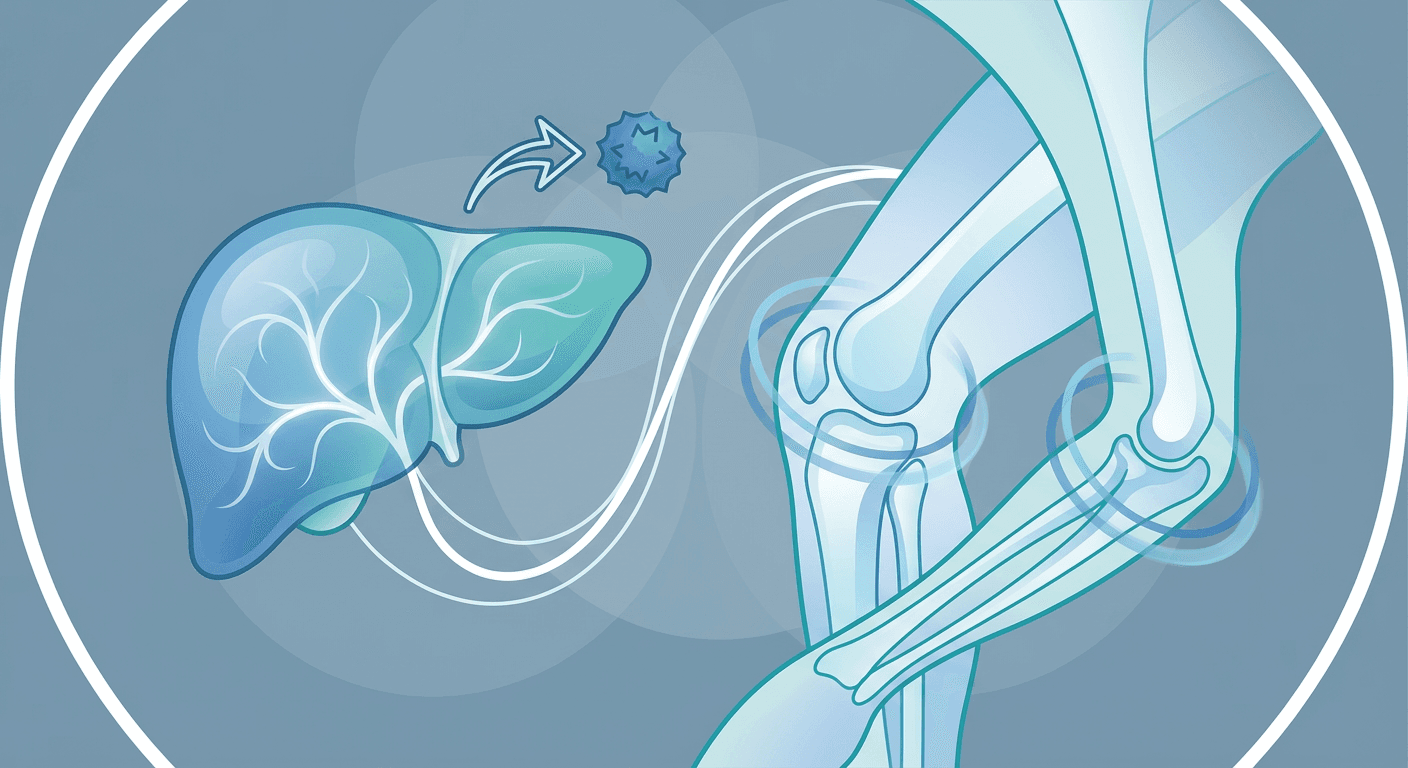
Joint pain is not a common or typical symptom of primary liver cancer. Most people with liver cancer experience symptoms like right‑upper abdominal discomfort, abdominal swelling, jaundice (yellowing of skin/eyes), fatigue, nausea, loss of appetite, and unintentional weight loss rather than joint pain. [1] [2] [3] When pain occurs from the liver itself, it is usually felt as upper abdominal pain or pain referred to the right shoulder blade, not as joint pain. [4] [1]
What Symptoms Are Typical of Liver Cancer
- Upper abdominal pain or fullness (often on the right side) and a lump under the right ribs. [1]
- Abdominal swelling and generalized fatigue/weakness. [2]
- Jaundice with possible pale (chalky) stools. [3]
- Nausea, vomiting, loss of appetite, and unintended weight loss. [1] [3]
- Pain can radiate to the right shoulder blade due to liver capsule irritation. [4]
Why Someone With Cancer Might Have Joint Pain
While joint pain isn’t a hallmark of liver cancer, there are several cancer‑related reasons a person might develop joint or musculoskeletal pain:
- Cancer treatments
- Certain chemotherapy drugs (notably taxanes and platinums) can cause joint aches (arthralgia) and muscle aches (myalgia). [5] [6]
- Hormonal therapies (for example, aromatase inhibitors used in some cancers) are well known to cause joint pain and stiffness. [7] [8]
- Visceral vs bone pain distinction
- Pain from the liver (visceral pain) tends to be deep, hard to pinpoint, and centered in the upper abdomen or referred to the shoulder, rather than isolated to a specific joint. [9]
- If cancer has spread to bone, pain is usually localized to a specific bone area and can mimic joint pain; bone metastases may present as hip, back, or focal skeletal pain. [9] [10]
- General cancer‑related factors
- Tumors or metastases can press on tissues, bones, or nerves, leading to pain syndromes; surgery, chemotherapy, radiation, and reduced activity can also contribute to musculoskeletal pain. [11] [12] [13]
- Rare paraneoplastic syndromes
- Some cancers can trigger immune‑related (paraneoplastic) syndromes affecting multiple body systems, including joints, though this is uncommon and not specific to liver cancer. [14] [15]
How Joint Pain Differs From Liver Pain
- Liver/visceral pain: deep, dull or throbbing, often in the right upper abdomen, sometimes referred to the right shoulder; harder to localize. [9]
- Bone/joint pain: focal, can often be pinpointed to a joint or bone, worse with movement or weight bearing; consider imaging if persistent or severe. [9] [10]
When to Seek Medical Attention
- New or worsening upper abdominal pain, jaundice, abdominal swelling, unintended weight loss, or persistent nausea should prompt medical evaluation because these are more typical of liver disease or liver cancer. [1] [2] [3]
- Persistent, focal joint or bone pain especially at night, with activity, or unrelieved by simple measures warrants assessment to rule out bone involvement or other causes. [10]
- If you are on chemotherapy or hormonal therapy and develop significant joint pain, early reporting helps prevent treatment interruptions and improves symptom control. [7] [8]
Evidence‑Based Management of Cancer‑Related Joint Pain
Management depends on the underlying cause (treatment‑related, bone metastasis, or unrelated musculoskeletal condition). A layered approach is often used:
-
Activity and physical therapy
-
Medications
- For mild pain: acetaminophen or non‑steroidal anti‑inflammatory drugs (NSAIDs) if safe for you. [7] [8]
- For moderate to severe pain: NSAIDs, adjuvant analgesics, or short‑term opioids may be considered within oncology pain guidelines, with careful monitoring and follow‑up. [16] [17]
- For treatment‑related arthralgia (e.g., hormonal therapies), step‑wise strategies starting with lifestyle changes and simple analgesics can help maintain treatment adherence. [7] [8]
-
Addressing the source
- If bone metastasis is suspected, imaging and oncologic treatments (such as radiation to a painful site, systemic therapy, or bone‑stabilizing procedures) may be needed to control pain and prevent complications. [10]
- Optimizing the cancer treatment plan and managing side effects early can reduce overall pain burden. [11] [16]
-
Ongoing pain management plan
Key Takeaways
- Joint pain by itself is not a common sign of liver cancer; liver cancer more often causes right‑upper abdominal discomfort, swelling, jaundice, fatigue, nausea, appetite loss, and weight loss. [1] [2] [3]
- Joint or musculoskeletal pain in someone with cancer is more often related to treatments, general deconditioning, or, less commonly, bone metastases or rare immune‑related syndromes. [5] [6] [11] [9]
- Early evaluation and a step‑wise, personalized pain plan combining activity, medications, and, when needed, targeted oncologic treatments generally provide the best relief and help you stay on therapy. [7] [8] [16] [10]
Related Questions
Related Articles


Sources
- 1.^abcdefLiver Cancer Basics(cdc.gov)
- 2.^abcdLiver Cancer Basics(cdc.gov)
- 3.^abcdeLiver cancer - Symptoms and causes(mayoclinic.org)
- 4.^abLiver Cancer(stanfordhealthcare.org)
- 5.^abUnderstanding and addressing the rehabilitation needs of patients with cancer(mayoclinic.org)
- 6.^abUnderstanding and addressing the rehabilitation needs of patients with cancer(mayoclinic.org)
- 7.^abcde1819-Arthralgia and myalgia | eviQ(eviq.org.au)
- 8.^abcdef1819-Arthralgia and myalgia | eviQ(eviq.org.au)
- 9.^abcdeCauses of Cancer Pain(mskcc.org)
- 10.^abcdeInnovative techniques for metastatic pelvic tumor management(mayoclinic.org)
- 11.^abcCauses of Cancer Pain(mskcc.org)
- 12.^abCauses of Cancer Pain(mskcc.org)
- 13.^↑Cancer pain(stanfordhealthcare.org)
- 14.^↑Paraneoplastic syndromes of the nervous system - Symptoms and causes(mayoclinic.org)
- 15.^↑Paraneoplastic syndromes of the nervous system - Symptoms and causes(mayoclinic.org)
- 16.^abcdPain Among Cancer Survivors(cdc.gov)
- 17.^abPain Among Cancer Survivors(cdc.gov)
Important Notice: This information is provided for educational purposes only and is not intended to replace professional medical advice, diagnosis, or treatment. Always consult with a qualified healthcare provider before making any medical decisions.