
 Persly Medical Team
Dry mouth and liver cancer: causes and care
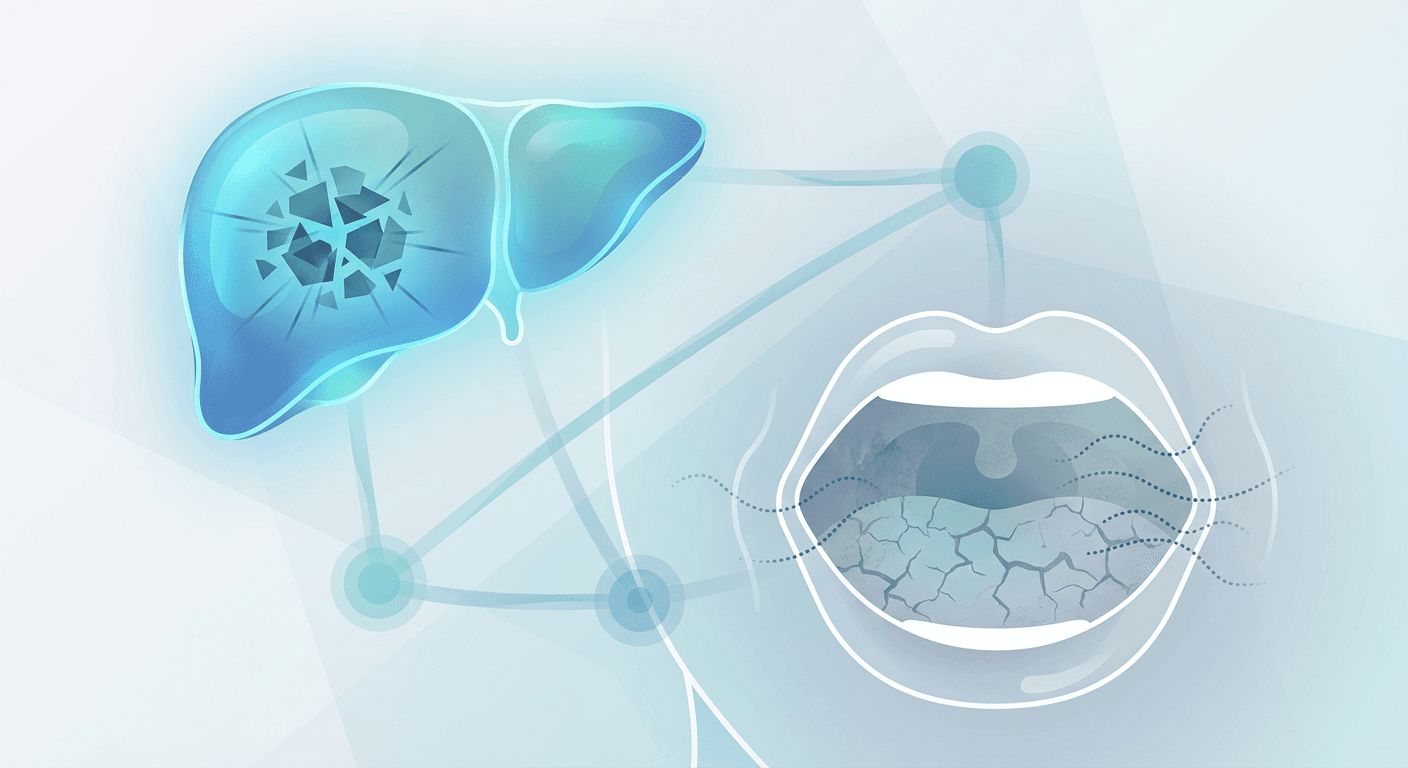
Dry Mouth and Liver Cancer: What’s Typical, Why It Happens, and How to Manage It
Dry mouth (xerostomia) is not a common early symptom of primary liver cancer, which more often presents with weight loss, appetite loss, upper abdominal pain, jaundice, and fatigue. [1] Most people with primary liver cancer do not have symptoms in early stages, and when symptoms appear they typically include unintentional weight loss, appetite loss, upper abdominal pain, nausea/vomiting, weakness/fatigue, abdominal swelling, jaundice, and pale/white stools. [2]
That said, dry mouth can occur for other reasons in people with cancer, especially related to treatments, medications, mouth breathing, nerve effects, or co‑existing conditions. [3] Dry mouth symptoms include a sticky or dry feeling, trouble chewing/swallowing/speaking, burning in the mouth, dry throat, cracked lips, rough tongue, mouth sores, oral infections, and bad breath. [4]
Is Dry Mouth a Symptom of Liver Cancer?
- Primary liver cancer typically shows systemic and abdominal signs rather than oral dryness. [1]
- Early-stage liver cancer often has no symptoms, and later-stage symptoms focus on weight, abdominal pain, jaundice, and stool changes. [2]
- Therefore, dry mouth by itself is more likely due to other causes (e.g., medication side effects, dehydration, or treatment effects) rather than a direct symptom of liver cancer. [5]
Common Causes of Dry Mouth in Cancer Care
- Cancer treatments: Chemotherapy and radiation (especially to the head/neck) can reduce or thicken saliva and damage salivary glands, leading to dryness. [3] Some cancer treatments and medicines commonly cause dry mouth as a side effect. [6]
- Nerve involvement or damage: Nerves that signal salivary glands can be affected, reducing saliva output. [3]
- Medications and health conditions: People taking medicines that list dry mouth as a side effect, or who have conditions such as diabetes or Sjögren syndrome, face higher risk. [5]
- Lifestyle and mechanical factors: Mouth breathing, tobacco use, alcohol, and certain foods increase dryness. [3] Risk is higher with tobacco, alcohol, and sugary or acidic intake. [5]
Rarely, paraneoplastic neurologic syndromes associated with cancer (most classically lung cancer) can feature dry mouth due to autonomic dysfunction, but this is not typical of liver cancer. [7]
What Dry Mouth Feels Like
- Sticky, dry mouth; difficulty chewing, swallowing, tasting, or speaking; burning sensations; dry throat. [4]
- Cracked lips, rough tongue, mouth sores, infections, and bad breath can occur. [4]
- Saliva may become thick and stringy, and dentures may fit poorly, causing gum sores. [8]
How Dry Mouth Is Evaluated
Healthcare teams usually review treatments and medicines, examine the mouth, and screen for contributing conditions (diabetes, Sjögren syndrome, dehydration). [5] Identifying the cause helps tailor management, especially if dryness is related to chemotherapy, targeted therapy, immunotherapy, or supportive drugs. [9]
Management: Practical Steps and Treatments
Daily Care and Self‑Help
- Hydration and saliva stimulation: Sip water frequently and use sugar‑free gum or lozenges to stimulate saliva. [3]
- Avoid irritants: Limit alcohol mouthwashes, tobacco, and very sugary or acidic foods that worsen dryness and tooth decay risk. [5]
- Gentle oral care: Keep the mouth clean and moist; alcohol‑free mouth rinses can help reduce irritation and maintain moisture. [6]
- Meal strategies: Rinse before/after meals, use moist foods, sauces, and gravies, and consider soft, cool foods if swallowing is uncomfortable. [10]
Medical Options
- Saliva substitutes: Over‑the‑counter gels, sprays, and rinses can offer temporary relief when natural saliva is low. [11]
- Prescription sialogogues: Pilocarpine (Salagen) can increase saliva production, especially in head and neck cancer‑related xerostomia, and has shown consistent improvements in dry mouth symptoms and function in patient assessments. [12] [13]
- Treatment adjustments: If a specific medication is driving dryness, clinicians may adjust the dose or timing when appropriate. [6]
When to Contact Your Care Team
- If dry mouth leads to mouth sores, infections, difficulty eating, or significant sleep disturbance, your team can suggest targeted treatments and rule out other causes. [8]
- If you are undergoing active cancer therapy, good mouth care is essential to prevent cavities and dental problems when the mouth is dry. [10]
Summary Table: Dry Mouth vs. Liver Cancer Symptoms
| Feature | Dry Mouth (Xerostomia) | Typical Liver Cancer Symptoms |
|---|---|---|
| Common early sign of liver cancer? | Not typical. [1] | Early signs often absent; later include systemic/abdominal symptoms. [2] |
| Key complaints | Sticky/dry mouth; thick saliva; trouble chewing/swallowing/speaking; mouth sores; bad breath. [4] [8] | Weight loss, appetite loss, upper abdominal pain, nausea/vomiting, fatigue, abdominal swelling, jaundice, pale/white stools. [1] [2] |
| Main drivers in cancer care | Chemotherapy, radiation (especially head/neck), medications, nerve damage, mouth breathing, lifestyle factors. [3] [5] [6] | Liver tumor biology and liver dysfunction causing systemic and abdominal signs. [1] [2] |
| Management | Hydration, saliva substitutes, alcohol‑free rinses, diet tweaks, pilocarpine when appropriate. [11] [6] [10] [12] [13] | Oncologic evaluation and treatment of liver cancer; symptom‑specific support. [1] [2] |
Key Takeaways
- Dry mouth is generally not a hallmark symptom of liver cancer, but it is common during cancer care due to treatments and medications. [1] [2]
- Effective management blends daily mouth care, avoidance of irritants, saliva substitutes, and prescription options like pilocarpine when appropriate. [11] [6] [12] [13]
- If you experience new or worsening dry mouth along with weight loss, abdominal pain, jaundice, or pale stools, seek medical assessment to rule out liver‑related issues. [1] [2]
Related Questions
Related Articles


Sources
- 1.^abcdefghLiver cancer - Symptoms and causes(mayoclinic.org)
- 2.^abcdefghLiver cancer - Symptoms and causes(mayoclinic.org)
- 3.^abcdefDry Mouth(medlineplus.gov)
- 4.^abcdDry Mouth(medlineplus.gov)
- 5.^abcdefDry mouth - Symptoms and causes(mayoclinic.org)
- 6.^abcdefDry mouth during cancer treatment: MedlinePlus Medical Encyclopedia(medlineplus.gov)
- 7.^↑Paraneoplastic syndromes of the nervous system - Symptoms and causes(mayoclinic.org)
- 8.^abcDry mouth during cancer treatment: MedlinePlus Medical Encyclopedia(medlineplus.gov)
- 9.^↑Dry mouth during cancer treatment: MedlinePlus Medical Encyclopedia(medlineplus.gov)
- 10.^abcAlimentação adequada durante o tratamento do câncer(mskcc.org)
- 11.^abcDry mouth - Diagnosis and treatment(mayoclinic.org)
- 12.^abcDry mouth - Diagnosis and treatment(mayoclinic.org)
- 13.^abcPILOCARPINE HYDRCHLORIDE tablet, film coated(dailymed.nlm.nih.gov)
Important Notice: This information is provided for educational purposes only and is not intended to replace professional medical advice, diagnosis, or treatment. Always consult with a qualified healthcare provider before making any medical decisions.