
 Persly Medical Team
Confusion in Liver Cancer: Causes and Management
Is confusion a common symptom of liver cancer?
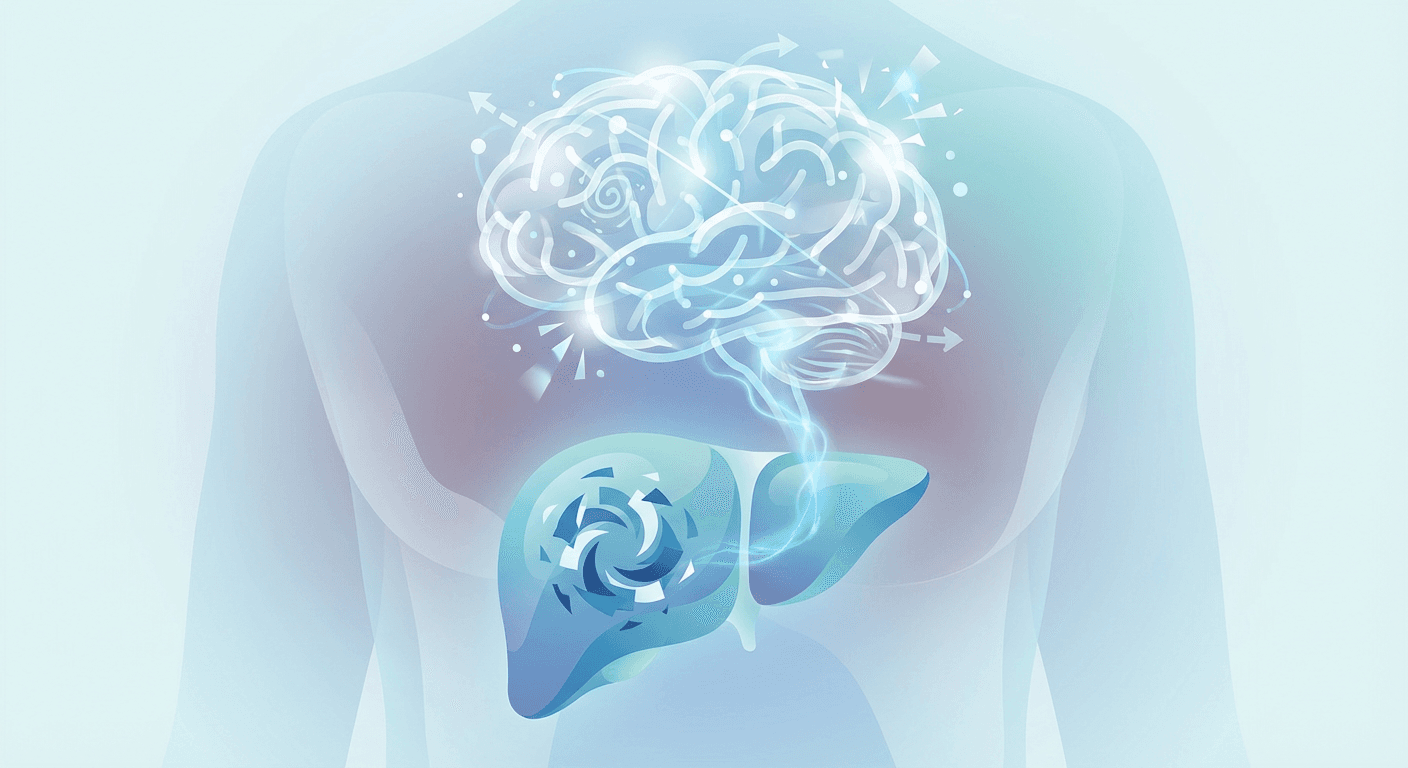
Confusion can occur with liver cancer, especially in advanced disease or when the liver is failing, but it is not always present in every person. [1] Confusion and drowsiness are noted among additional symptoms when cancer involves the liver, particularly with widespread disease. [2] In many cases, confusion is due to a complication called hepatic encephalopathy (a decline in brain function caused by liver dysfunction), rather than the tumor itself. [3]
Why confusion happens
-
Hepatic encephalopathy (HE): When the liver cannot clear toxins (like ammonia), these build up and affect brain function, leading to sleep changes, mild confusion, mood swings, and, in more severe grades, disorientation and unusual behavior. [3] People may have drowsiness, behavior changes, and can even progress to coma in severe cases. [4] HE is a common and debilitating complication of liver disease, and evidence-based guidelines cover its definition, diagnosis, and treatment. [5] [6]
-
Advanced cancer and systemic illness: Delirium (acute confusion) can be triggered by advanced cancer itself and by factors such as dehydration, low oxygen, metabolic disturbances, or multi‑organ failure. [7]
-
Medications and treatment effects: Pain medicines (especially opioids), sedatives, some anti‑nausea drugs, antibiotics, steroids, and other therapies can contribute to cognitive changes and confusion. [8] Side effects of pain medications are recognized concerns during liver cancer care. [9]
-
Infections or bleeding: Infections (e.g., spontaneous bacterial peritonitis) and gastrointestinal bleeding can precipitate encephalopathy and delirium in people with liver disease. [4]
What symptoms to look for
- Early signs: Changes in sleep pattern, mild confusion, forgetfulness, mood changes, poor concentration, or handwriting deterioration. [10]
- Progressive signs: Disorientation, unusual behavior, agitation, drowsiness, and slowed movements. [10] Daytime sleepiness and disorientation align with grade 2 HE and beyond. [3]
- Associated features of liver dysfunction: Jaundice (yellowing of skin/eyes), dark urine, pale stools, swelling of legs/abdomen, and overall weakness can accompany liver cancer and liver failure. [1]
How confusion is evaluated
- Clinical grading: The West Haven criteria classify HE from grade 0 (no symptoms) to grade 4 (coma), guiding severity assessment. [3]
- Identify triggers: Clinicians look for precipitating factors such as infection, GI bleeding, constipation, dehydration, electrolyte imbalance, kidney issues, or new medications. [4]
- Imaging and labs: Blood tests (including ammonia and electrolytes), and sometimes imaging or ultrasound to assess liver blood flow and complications. [3]
Evidence-based management
-
Treat triggers and stabilize: Hospital care may be needed for severe changes in brain function; stopping GI bleeding, treating infections, and correcting metabolic issues are immediate priorities. [4]
-
Reduce gut toxins: First-line therapies target ammonia and other gut-derived toxins.
- Lactulose (a non-absorbable sugar) reduces ammonia absorption and promotes bowel movements; dosing is titrated to achieve 2–3 soft stools daily. [3]
- Rifaximin (a non-absorbable antibiotic) is often added to lactulose, especially for recurrent HE, to reduce ammonia-producing gut bacteria. [3]
- These approaches are standard within clinical practice frameworks for HE. [5] [6]
-
Medication review: Adjust or taper drugs that can worsen confusion (opioids, sedatives, certain anti‑nausea meds, and others), while balancing symptom control. [8] Pain control plans may consider alternatives and supportive techniques to minimize cognitive side effects. [9]
-
Supportive measures: Ensure regular bowel movements, good hydration, adequate nutrition (including protein tailored to tolerance rather than unnecessary restriction), sleep-wake normalization, and safety precautions to prevent falls. [4]
-
When advanced care is needed: For refractory or severe HE, specialized liver teams consider further options, and in certain contexts of end-stage liver failure, transplant evaluation or palliative approaches are discussed to align with goals of care. [11] [12]
When to seek urgent help
Sudden confusion, extreme drowsiness, agitation, disorientation, or any rapid change in mental status should prompt urgent medical evaluation, as these may signal severe HE, bleeding, infection, or medication toxicity that requires immediate treatment. [4] Delirium linked to advanced cancer also warrants prompt assessment to address reversible causes and provide symptom relief. [7]
Key takeaways
- Confusion can occur in liver cancer, commonly due to hepatic encephalopathy or treatment-related and systemic factors, and is more likely in advanced disease or liver failure. [2] [3]
- Early recognition and treatment addressing triggers, using lactulose and rifaximin, and reviewing medications can improve cognition and safety. [3] [4] [8]
- Guideline-based care for hepatic encephalopathy provides structured, evidence-backed management to reduce episodes and improve quality of life. [5] [6]
Related Questions
Related Articles


Sources
- 1.^abLiver Cancer Symptoms(mskcc.org)
- 2.^abLiver Cancer(stanfordhealthcare.org)
- 3.^abcdefghiHepatic encephalopathy - Diagnosis and treatment(mayoclinic.org)
- 4.^abcdefgLoss of brain function - liver disease: MedlinePlus Medical Encyclopedia(medlineplus.gov)
- 5.^abcEASL Clinical Practice Guidelines(easl.eu)
- 6.^abcEASL Clinical Practice Guidelines(easl.eu)
- 7.^abDelirium(medlineplus.gov)
- 8.^abcManaging Cognitive Changes(mskcc.org)
- 9.^abLiver cancer - Diagnosis and treatment(mayoclinic.org)
- 10.^abLoss of brain function - liver disease: MedlinePlus Medical Encyclopedia(medlineplus.gov)
- 11.^↑Hepatic encephalopathy - Doctors and departments(mayoclinic.org)
- 12.^↑Hepatic encephalopathy - Diagnosis and treatment(mayoclinic.org)
Important Notice: This information is provided for educational purposes only and is not intended to replace professional medical advice, diagnosis, or treatment. Always consult with a qualified healthcare provider before making any medical decisions.