
 Persly Medical Team
Based on PubMed | Is weight loss a common symptom of Crohn’s disease, and what causes it?
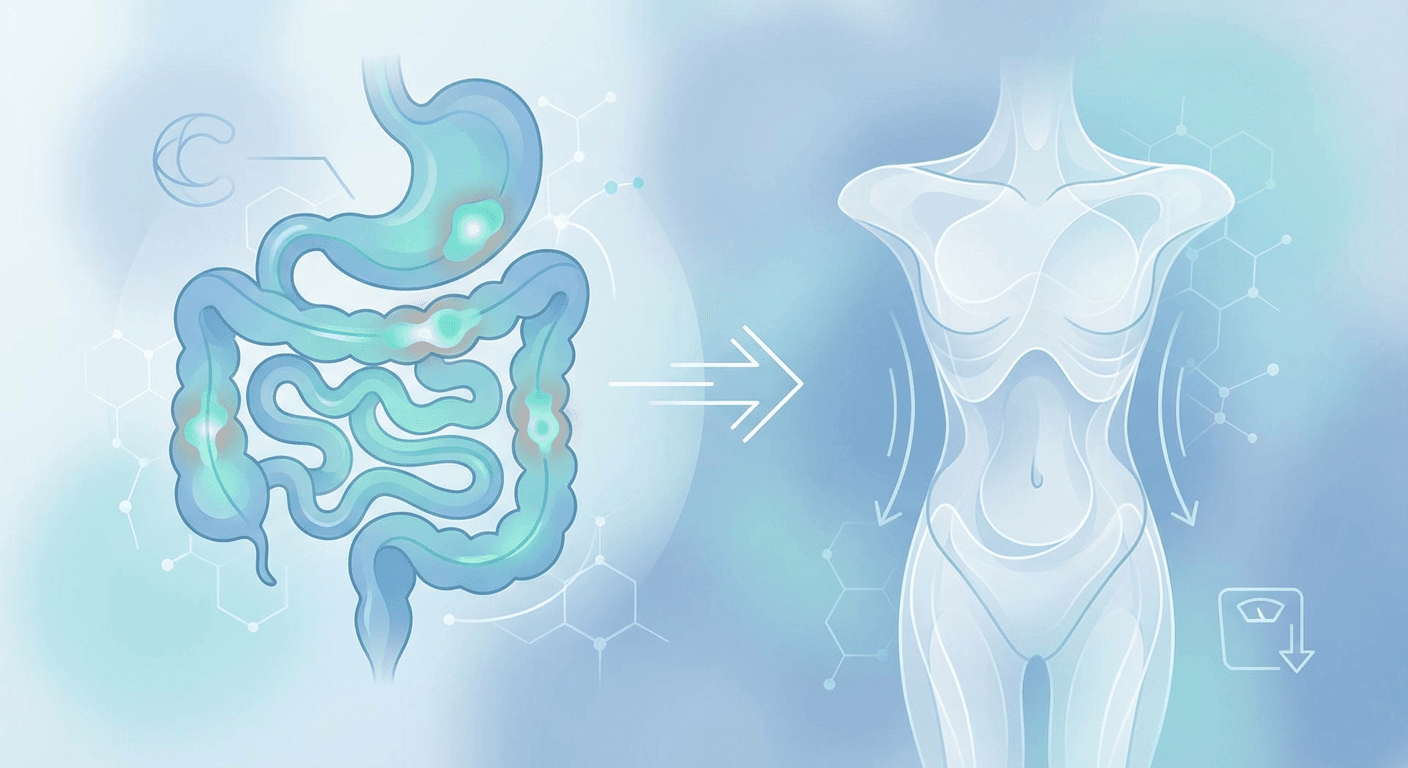
Weight loss is common in Crohn’s disease and often signals active inflammation and malnutrition. It stems from reduced intake, malabsorption, diarrhea with nutrient losses, and higher energy needs; strictures and pain can further limit eating. Management centers on controlling inflammation, providing nutritional support (e.g., supplements or enteral nutrition), and correcting micronutrient deficiencies.
Overview
Yes, weight loss is a common symptom of Crohn’s disease, often occurring alongside diarrhea, abdominal pain, fatigue, and reduced appetite. [1] Weight loss can be driven by several overlapping factors, including poor intake, malabsorption, increased nutrient losses, and the body’s heightened energy demands during inflammation. [2] These mechanisms together can lead to malnutrition, which frequently accompanies active Crohn’s disease. [1]
How common is weight loss in Crohn’s disease?
Weight loss is frequently reported at diagnosis and during disease flares. [3] In adult cohorts, about half of people with Crohn’s have weight loss at presentation. [4] Pediatric data show even higher rates, with a majority of children experiencing weight loss at diagnosis. [5] Clinically, reduced appetite and weight loss are recognized hallmark symptoms of Crohn’s disease. [6]
Why does Crohn’s disease cause weight loss?
Reduced food intake (poor appetite and pain with eating)
Active intestinal inflammation can reduce appetite and make eating uncomfortable, leading to lower calorie intake. [6] Fatigue and abdominal cramping further discourage eating, compounding caloric deficit. [3]
Malabsorption (nutrients not absorbed well)
Crohn’s commonly affects the end of the small intestine (ileum), where fats, vitamin B12, and bile acids are absorbed. [1] Inflammation of the small intestine impairs nutrient absorption and can lead to deficiencies, contributing to weight loss. [2]
Diarrhea and increased nutrient loss
Frequent diarrhea causes loss of fluids, electrolytes, and nutrients, and it can worsen malnutrition. [1] Protein-losing enteropathy (loss of protein through the gut) can also occur in active disease, reducing lean body mass. [2]
Increased energy needs during inflammation
Systemic inflammation raises basal metabolic rate, meaning the body burns more energy even at rest. [2] When energy needs rise while intake falls or absorption is poor, unintended weight loss becomes likely. [2]
Structural complications (strictures and pain)
Intestinal strictures and narrowing can make eating fiber-rich foods difficult and may require dietary limitations, reducing overall caloric intake. [7] Pain, nausea, and vomiting during flares also reduce intake and contribute to weight loss. [8]
Malnutrition and deficiencies linked to weight loss
Malnutrition is common in Crohn’s and spans protein-energy and micronutrient deficits. [2] Deficiencies in iron, B12, folate, zinc, calcium, magnesium, and vitamin D are frequent and can worsen fatigue, anemia, and bone health. [9] Anemia may result from intestinal bleeding or inflammation and often coexists with weight loss. [10] These deficits can correlate with disease activity and extent, especially when the small intestine is involved. [9]
What to look for clinically
- Unintended weight loss along with diarrhea, abdominal pain, fatigue, reduced appetite. [6]
- Signs of deficiency such as anemia (low hemoglobin), muscle loss (sarcopenia), and low albumin. [2]
- Growth issues in children, including reduced height and bone mineral density. [5]
- Disease distribution matters: small-bowel involvement is more likely to produce malabsorption and weight loss. [1]
Management of weight loss in Crohn’s disease
Treat active inflammation
Controlling intestinal inflammation is foundational to reversing weight loss, because it improves appetite, absorption, and energy balance. [1]
Nutritional assessment and support
Regular nutrition checks and dietitian support are recommended to identify and correct deficiencies early. [7] If weight loss is significant, healthcare teams may recommend specialized nutritional support, such as oral supplements or enteral nutrition (tube feeding), to restore weight and induce or maintain remission. [11] Enteral nutrition can induce remission in Crohn’s and is a cornerstone for malnourished individuals. [12]
Practical dietary strategies
- Eat small, frequent meals to increase caloric intake without worsening symptoms. [13]
- Hydrate well, favoring water and non-caffeinated fluids. [13]
- Use a food diary to identify triggers and tolerable foods. [13]
- During stricturing disease, limit high-fiber foods that may obstruct narrowed segments. [7]
- Consider high-calorie, low-residue meal plans during flares to meet energy needs with easier-to-digest foods. [14]
Micronutrient replacement
If tests show deficiencies, supplement iron, vitamin B12, folate, vitamin D, calcium, zinc, and magnesium as needed, and recheck levels periodically. [9] Correcting anemia and low albumin supports energy, muscle mass, and recovery. [2]
Key takeaways
- Weight loss is common in Crohn’s disease and often signals active inflammation and malnutrition. [3]
- Multiple mechanisms low intake, malabsorption, increased losses, and higher energy needs combine to cause weight loss. [2]
- Early nutrition assessment, control of inflammation, and targeted dietary support can help restore weight and reduce complications. [11] [12]
At‑a‑glance comparison: drivers of weight loss in Crohn’s
| Mechanism | What happens | Impact on weight |
|---|---|---|
| Reduced intake | Pain, cramps, poor appetite lower calorie consumption. [3] [6] | Caloric deficit → weight loss. |
| Malabsorption | Inflamed small intestine (often ileum) absorbs nutrients poorly. [1] | Nutrient deficits → weight and muscle loss. |
| Increased losses | Diarrhea and protein loss through gut. [1] [2] | Loss of fluid, electrolytes, protein → weight loss. |
| Higher energy needs | Systemic inflammation increases metabolic rate. [2] | Increased energy burn → weight loss if intake unchanged. |
| Structural issues | Strictures limit diet variety and tolerance. [7] | Reduced intake and diversity → weight loss. |
Related Questions
Related Articles


Sources
- 1.^abcdefghCrohn's disease - Symptoms and causes(mayoclinic.org)
- 2.^abcdefghijkNutrition in adult patients with inflammatory bowel disease.(pubmed.ncbi.nlm.nih.gov)
- 3.^abcdCrohn's Disease(medlineplus.gov)
- 4.^↑Clinical appearance at diagnosis of ulcerative colitis and Crohn's disease in a regional patient group.(pubmed.ncbi.nlm.nih.gov)
- 5.^abNutritional aspects in inflammatory bowel disease.(pubmed.ncbi.nlm.nih.gov)
- 6.^abcdCrohn's disease - Symptoms and causes(mayoclinic.org)
- 7.^abcdDietary and nutritional considerations for inflammatory bowel disease.(pubmed.ncbi.nlm.nih.gov)
- 8.^↑크론병(Crohn's disease) | 질환백과 | 의료정보 | 건강정보(amc.seoul.kr)
- 9.^abcNutritional status and growth in Korean children with Crohn's disease: a single-center study.(pubmed.ncbi.nlm.nih.gov)
- 10.^↑Symptoms(stanfordhealthcare.org)
- 11.^abInflammatory bowel disease (IBD) - Diagnosis and treatment(mayoclinic.org)
- 12.^abNutritional management of Crohn's disease.(pubmed.ncbi.nlm.nih.gov)
- 13.^abcIs there a special diet for Crohn's disease?(mayoclinic.org)
- 14.^↑Crohn's Disease(medlineplus.gov)
Important Notice: This information is provided for educational purposes only and is not intended to replace professional medical advice, diagnosis, or treatment. Always consult with a qualified healthcare provider before making any medical decisions.