
 Persly Medical Team
Based on PubMed | Can COPD cause headaches, and what could recurrent headaches indicate about oxygen levels or carbon dioxide buildup in COPD patients?
Yes, COPD can cause headaches especially in the morning and recurrent headaches may indicate low oxygen (hypoxemia) or high carbon dioxide (hypercapnia). Headaches with sleepiness, confusion, or worsening breathlessness are red flags; clinicians may check arterial blood gases and consider overnight oximetry or a sleep study, and review oxygen therapy.
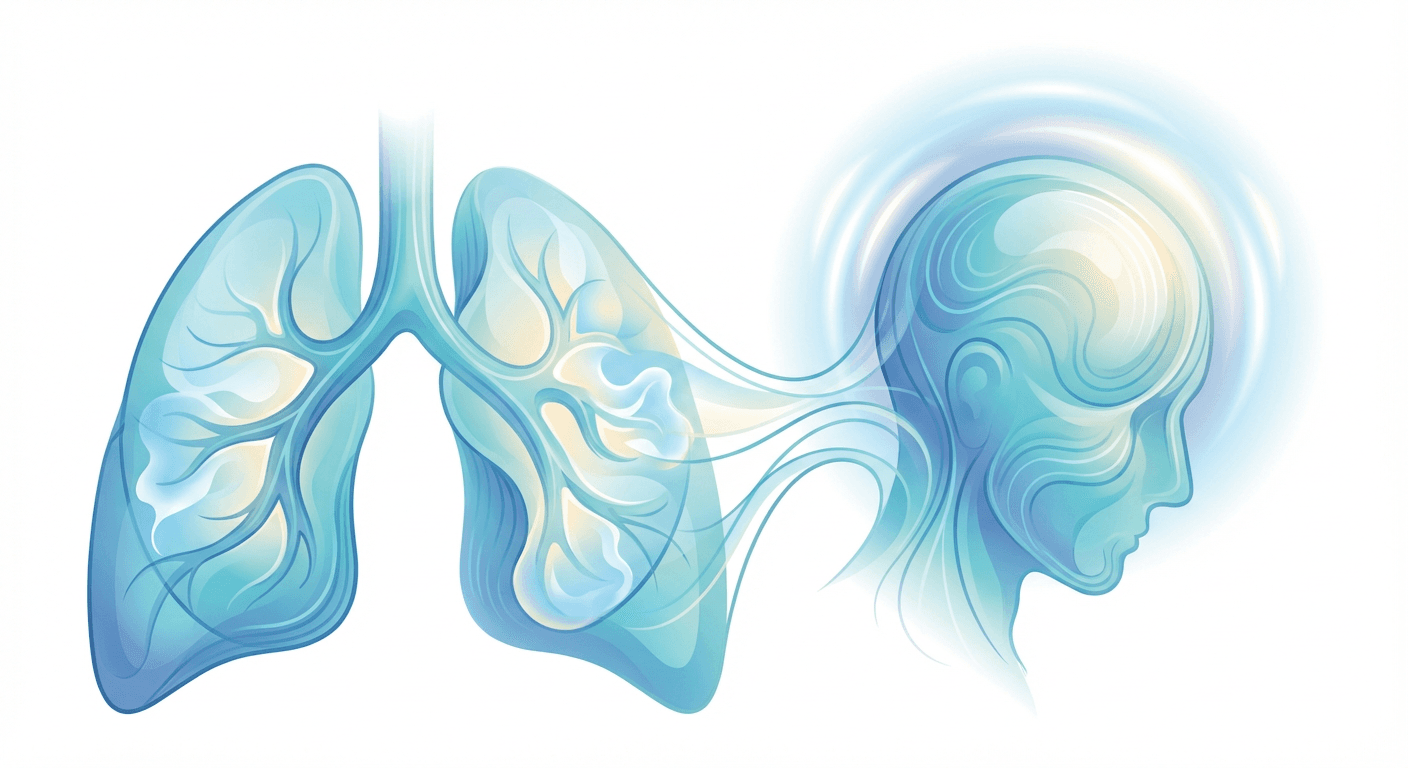
COPD can cause headaches, and recurrent headaches may signal changes in oxygen (hypoxemia) or carbon dioxide (hypercapnia) levels. Headaches especially morning headaches are recognized in COPD and can accompany flare-ups or day‑to‑day breathing difficulties. [1] These headaches can be a warning sign of rising carbon dioxide or low oxygen, particularly if they occur with sleepiness, confusion, or worsening breathlessness. [2] [3]
Why COPD Can Lead to Headaches
- Carbon dioxide buildup (hypercapnia): When ventilation is reduced, carbon dioxide rises in the blood and causes cerebral blood vessel dilation, increased blood flow, and sometimes increased intracranial pressure mechanisms that can trigger headaches and cognitive changes. [4] Hypercapnia is also linked with worse oxygen drops during sleep in COPD, making morning headaches more likely. [5]
- Low oxygen (hypoxemia): Low oxygen can disrupt brain metabolism, contribute to sleep fragmentation, and lead to morning headaches and fatigue. [4] People with COPD, especially those with CO2 retention, often have deeper oxygen dips in REM sleep, which can improve with appropriately monitored oxygen therapy. [6]
- Sleep-related breathing issues: Many with COPD experience nocturnal desaturation; in “overlap” cases where COPD coexists with obstructive sleep apnea, headaches after nocturnal oxygen can point to increased CO2 retention and require careful sleep evaluation. [6]
Clinical Clues: What Recurrent Headaches May Indicate
- Morning headaches with sleepiness or confusion can suggest overnight CO2 retention or oxygen drops. [1] [3]
- More frequent headaches during daily COPD management are considered a sign to contact a clinician, as they may reflect worsening gas exchange. [2]
- Headaches during exacerbations are listed among possible flare-up signs, often alongside increased cough, wheeze, and difficulty taking deep breaths. [1]
Pathophysiology in Simple Terms
- Hypercapnia (high CO2): CO2 relaxes brain blood vessels, increases blood flow, and may raise pressure inside the skull this can produce headaches, confusion, and drowsiness in COPD when ventilation is inadequate. [4]
- Hypoxemia (low oxygen): Reduced oxygen to the brain can trigger headaches and impaired concentration; these dips are often worse during REM sleep in COPD with CO2 retention. [6] Hypercapnia is a marker for more severe sleep oxygen desaturation in hypoxemic COPD. [5]
- Autonomic effects and smoking: Even mild COPD shows changes in autonomic and cerebrovascular control; chronic smoking further dilates cerebral vessels and can worsen these abnormalities, potentially contributing to headache susceptibility. [7]
Red Flags That Need Prompt Attention
- New or worsening morning headaches, especially with daytime sleepiness, confusion, or inability to speak full sentences due to breathlessness. [3]
- Headaches during a flare-up with gray or pale skin, ankle swelling, or increased mucus production. [1]
- Blue lips or fingertips (cyanosis), which indicate low oxygen and require urgent assessment. [2]
Recommended Evaluations
- Arterial blood gases (ABG): Directly measures oxygen (PaO2) and carbon dioxide (PaCO2) to identify hypoxemia or hypercapnia driving headaches. [5]
- Overnight oximetry or sleep study: Screens for nocturnal oxygen desaturation and possible overlap with sleep apnea when morning headaches or nocturnal symptoms are present. [6]
- Medication and oxygen review: In overlap syndrome, nocturnal oxygen can increase CO2 retention; oxygen therapy must be carefully titrated under supervision. [6]
Practical Management Tips
- Monitor symptom patterns: Keep a log of headaches (time of day, severity), breathlessness, and sleep quality; morning clusters often point to overnight gas exchange problems. [1]
- Contact your clinician if headaches become frequent: This is specifically advised in COPD daily care guidance and discharge instructions. [2] [3]
- Optimize COPD control: Treat exacerbations promptly and follow inhaler regimens to reduce flare-up risk, which can include headaches. [1]
- Assess sleep health: Consider evaluation for sleep apnea or nocturnal hypoxemia if morning headaches persist despite good daytime control. [6]
- Use oxygen safely: Oxygen may improve REM-related hypoxemia in COPD, but those with possible overlap syndrome need tailored plans to avoid CO2 retention. [6]
Key Takeaways
- Yes COPD can cause headaches, particularly morning headaches. These may reflect low oxygen during sleep or increased carbon dioxide due to reduced ventilation. [1] [4]
- Recurrent headaches are a clinical signal to check oxygen and carbon dioxide levels. ABG testing and sleep evaluations help pinpoint the cause and guide safe treatment. [5] [6]
- Seek medical advice if headaches become more frequent or occur with sleepiness, confusion, or worsening breathlessness. These symptoms can indicate gas exchange problems that need timely care. [2] [3]
Quick Reference: Symptoms and What They May Suggest
| Symptom pattern | Possible mechanism | Why it matters | What to do |
|---|---|---|---|
| Morning headaches + daytime sleepiness | Overnight CO2 retention (hypercapnia) and REM-related desaturation | Can impair cognition and raise intracranial pressure | Ask for ABG and overnight oximetry/sleep study; review oxygen use |
| Frequent headaches during COPD flare | Worsened ventilation and hypoxemia | Signals exacerbation needing prompt care | Follow action plan; contact clinician |
| Headaches + confusion or difficulty speaking due to breathlessness | Hypercapnia/hypoxemia | Potentially urgent | Seek medical assessment promptly |
| Headaches after starting nocturnal oxygen with snoring/obesity | Overlap syndrome (COPD + sleep apnea) with CO2 retention | Oxygen may worsen CO2 in overlap | Get sleep study and adjust therapy |
| Blue lips/fingertips with headache | Hypoxemia | Emergency indicator | Immediate medical evaluation |
By recognizing headache patterns and linking them to oxygen and carbon dioxide changes, you can work with your clinician to adjust therapy, evaluate sleep-related issues, and reduce risks associated with COPD. [1] [2] [3] [6] [5] [4] [7]
Related Questions
Related Articles


Sources
- 1.^abcdefghiCOPD flare-ups: MedlinePlus Medical Encyclopedia(medlineplus.gov)
- 2.^abcdefgDay to day with COPD: MedlinePlus Medical Encyclopedia(medlineplus.gov)
- 3.^abcdefgChronic obstructive pulmonary disease - adults - discharge: MedlinePlus Medical Encyclopedia(medlineplus.gov)
- 4.^abcdefNeurologic manifestations of pulmonary disease.(pubmed.ncbi.nlm.nih.gov)
- 5.^abcdefHypercapnia and sleep O2 desaturation in chronic obstructive pulmonary disease.(pubmed.ncbi.nlm.nih.gov)
- 6.^abcdefghijkSleep in chronic obstructive lung disease.(pubmed.ncbi.nlm.nih.gov)
- 7.^abAutonomic and cerebrovascular abnormalities in mild COPD are worsened by chronic smoking.(pubmed.ncbi.nlm.nih.gov)
Important Notice: This information is provided for educational purposes only and is not intended to replace professional medical advice, diagnosis, or treatment. Always consult with a qualified healthcare provider before making any medical decisions.