
 Persly Medical Team
Based on PubMed | Is fever a common symptom of COPD, and what are the typical causes of fever in people with COPD?
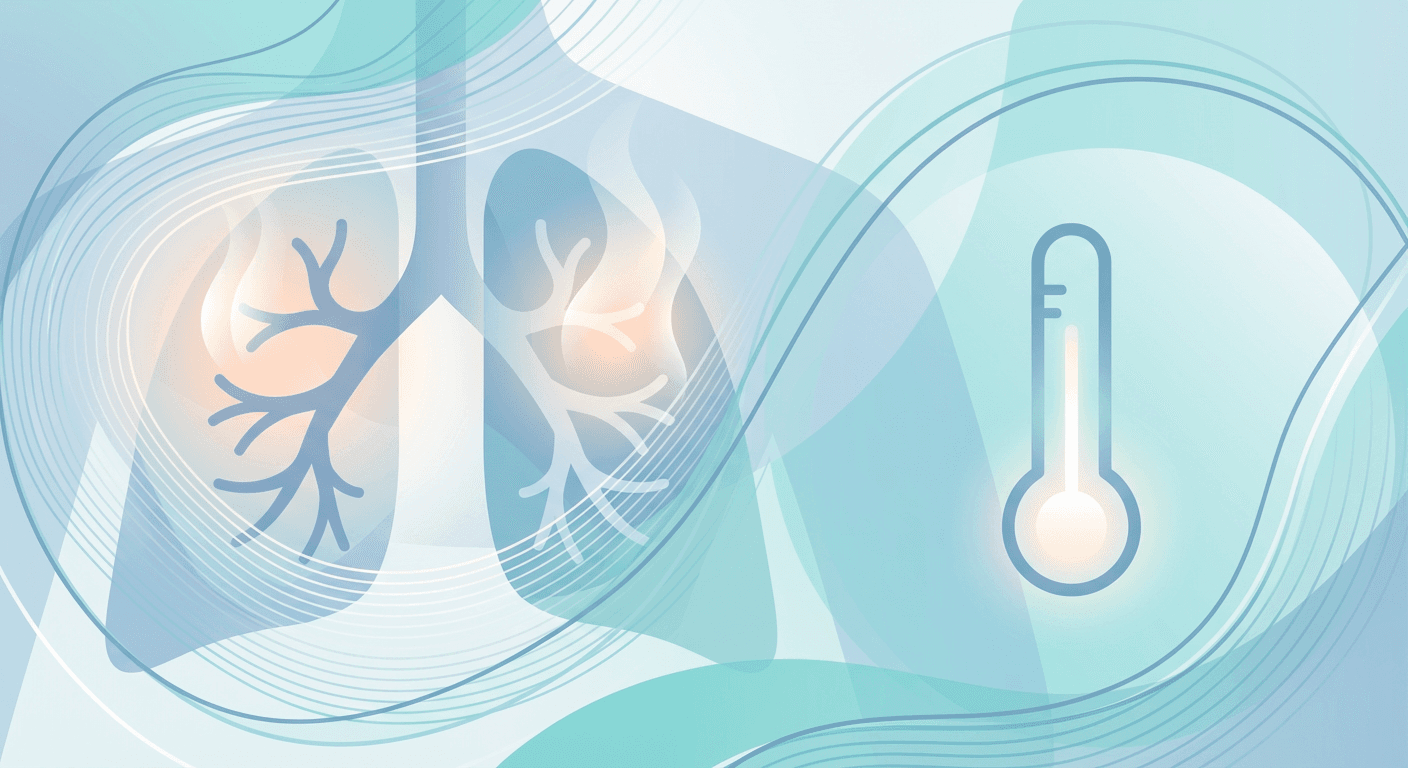
Fever is not a routine symptom of stable COPD; it typically appears during exacerbations, most often when an infection is present. Main causes include viral and bacterial respiratory infections and pneumonia, while noninfectious triggers usually don’t cause fever; seek medical advice if fever occurs.
Fever can occur in COPD, but it is not a day-to-day symptom of stable COPD; it more often appears during a flare-up (exacerbation), typically when an infection is involved. [1] Fever is considered a warning sign that COPD symptoms may be worsening and that an infection could be present. [2]
What is a COPD exacerbation?
A COPD exacerbation is a period when breathing problems, cough, and mucus production suddenly get worse beyond the usual day-to-day variation and often require treatment changes. [3] Exacerbations can last several days to weeks and are commonly triggered by respiratory infections or irritants such as air pollution. [4] [5]
Is fever common in COPD?
- In stable COPD, fever is not typical; ongoing symptoms are more often shortness of breath, cough, and sputum without fever. [6]
- During exacerbations, fever can be part of the symptom cluster, especially when an infection is the trigger. [1]
- Educational and discharge instructions highlight fever as a sign to contact a clinician, underscoring that fever is noteworthy in COPD rather than routine. [7] [8]
Typical causes of fever in COPD
Respiratory infections (most common)
- Viral infections: Viruses are a major driver of COPD exacerbations; pooled analyses show respiratory viruses detected in roughly 39% of exacerbations, compared to about 14% in stable COPD. [9] Fever is commonly associated with viral detection during COPD exacerbations. [10] Rhinovirus is the most frequent virus identified. [9]
- Bacterial infections: Bacteria account for a large portion of infectious exacerbations, often 50–60% of cases, and may follow or co‑occur with viral infection. [11] Purulent (yellow/green) sputum with increased volume and severe breathlessness often points to bacterial involvement. [12]
Pneumonia
- People with COPD are at increased risk of community- and hospital-acquired pneumonia, which commonly presents with acute fever, chills, cough, and chest pain. [13] Pneumonia in COPD frequently requires antibiotics and sometimes hospital care. [13]
Noninfectious triggers (less likely to cause fever)
- Exposures like cold air, smoke, and air pollution can trigger exacerbations without infection, usually without fever. [1] When these triggers cause symptom worsening, fever is less typical unless an infection is also present. [3] [4]
How to tell if fever suggests an infection
- Change in sputum: More mucus, thicker consistency, or a shift to yellow/green color raises suspicion for bacterial infection. [1]
- Systemic signs: Fever, chills, and feeling generally unwell suggest infection rather than purely irritant-triggered flare-ups. [12]
- Symptom severity: Rapidly worsening breathlessness and cough with fever should prompt medical evaluation. [8]
What to do if you have COPD and develop a fever
- Contact your clinician: Fever in COPD is a recognized alert sign; timely medical advice can prevent complications and hospitalization. [7] [8]
- Follow your COPD action plan: Many plans include instructions for when to start rescue inhalers, oral steroids, or seek urgent care. [8]
- Assessment and treatment: Clinicians may check for viral or bacterial infection and consider antibiotics if sputum is purulent, along with bronchodilators and short courses of oral steroids for exacerbations. [3] [14]
- Watch for red flags: Difficulty speaking full sentences, blue lips or fingertips, confusion, or severe breathlessness are emergency signs. [15]
Prevention tips
- Vaccination: Staying up to date with influenza and pneumococcal vaccines helps lower infection-related exacerbations. [3]
- Avoid irritants: Minimize exposure to smoke and air pollution to reduce noninfectious flare-ups. [1]
- Pulmonary rehabilitation and optimized therapy: These strategies reduce exacerbation frequency and may delay the next event. [5]
Key takeaways
- Fever is not a routine symptom of stable COPD; it is more commonly seen during exacerbations, especially with infections. [1] [3]
- Viruses and bacteria are the leading causes of fever in COPD, with rhinovirus prominent among viral causes and bacterial infections common in purulent, severe flare-ups. [9] [11]
- Pneumonia is a major cause of fever in COPD and often requires medical evaluation and targeted antibiotics. [13]
- Seek medical advice when fever occurs in COPD, as it may signal a treatable infection and helps prevent complications. [7] [8]
Related Questions
Related Articles

Sources
- 1.^abcdefCOPD - Symptoms and causes(mayoclinic.org)
- 2.^↑COPD - Symptoms and causes(mayoclinic.org)
- 3.^abcde[Acute exacerbations of chronic obstructive pulmonary disease].(pubmed.ncbi.nlm.nih.gov)
- 4.^abCOPD - Symptoms and causes(mayoclinic.org)
- 5.^abAcute COPD exacerbations.(pubmed.ncbi.nlm.nih.gov)
- 6.^↑COPD(medlineplus.gov)
- 7.^abcChronic obstructive pulmonary disease - adults - discharge: MedlinePlus Medical Encyclopedia(medlineplus.gov)
- 8.^abcdeCOPD flare-ups: MedlinePlus Medical Encyclopedia(medlineplus.gov)
- 9.^abcPrevalence and risk of viral infection in patients with acute exacerbation of chronic obstructive pulmonary disease: a meta-analysis.(pubmed.ncbi.nlm.nih.gov)
- 10.^↑Respiratory viral infection in exacerbations of COPD.(pubmed.ncbi.nlm.nih.gov)
- 11.^ab[Infectious comorbidity in COPD].(pubmed.ncbi.nlm.nih.gov)
- 12.^ab[Care of patients with exacerbation of chronic obstructive lung disease].(pubmed.ncbi.nlm.nih.gov)
- 13.^abcPneumonia and chronic obstructive pulmonary disease. What special considerations does this combination require?(pubmed.ncbi.nlm.nih.gov)
- 14.^↑Diagnosis and treatment - Mayo Clinic(mayoclinic.org)
- 15.^↑COPD flare-ups: MedlinePlus Medical Encyclopedia(medlineplus.gov)
Important Notice: This information is provided for educational purposes only and is not intended to replace professional medical advice, diagnosis, or treatment. Always consult with a qualified healthcare provider before making any medical decisions.