
 Persly Medical Team
Based on NIH | Can COPD cause back pain, and what are the possible reasons for this symptom?
COPD is not a primary cause of back pain, but it can contribute through respiratory muscle overuse, chest wall rigidity, frequent coughing, deconditioning, and osteoporosis (including vertebral fractures), or from coexisting conditions. Seek urgent care if pain is accompanied by red flags like severe shortness of breath, chest pain, fever, trauma, or neurological changes; management includes optimizing COPD control, pulmonary rehab, targeted physical therapy, bone health measures, and tailored pain relief.
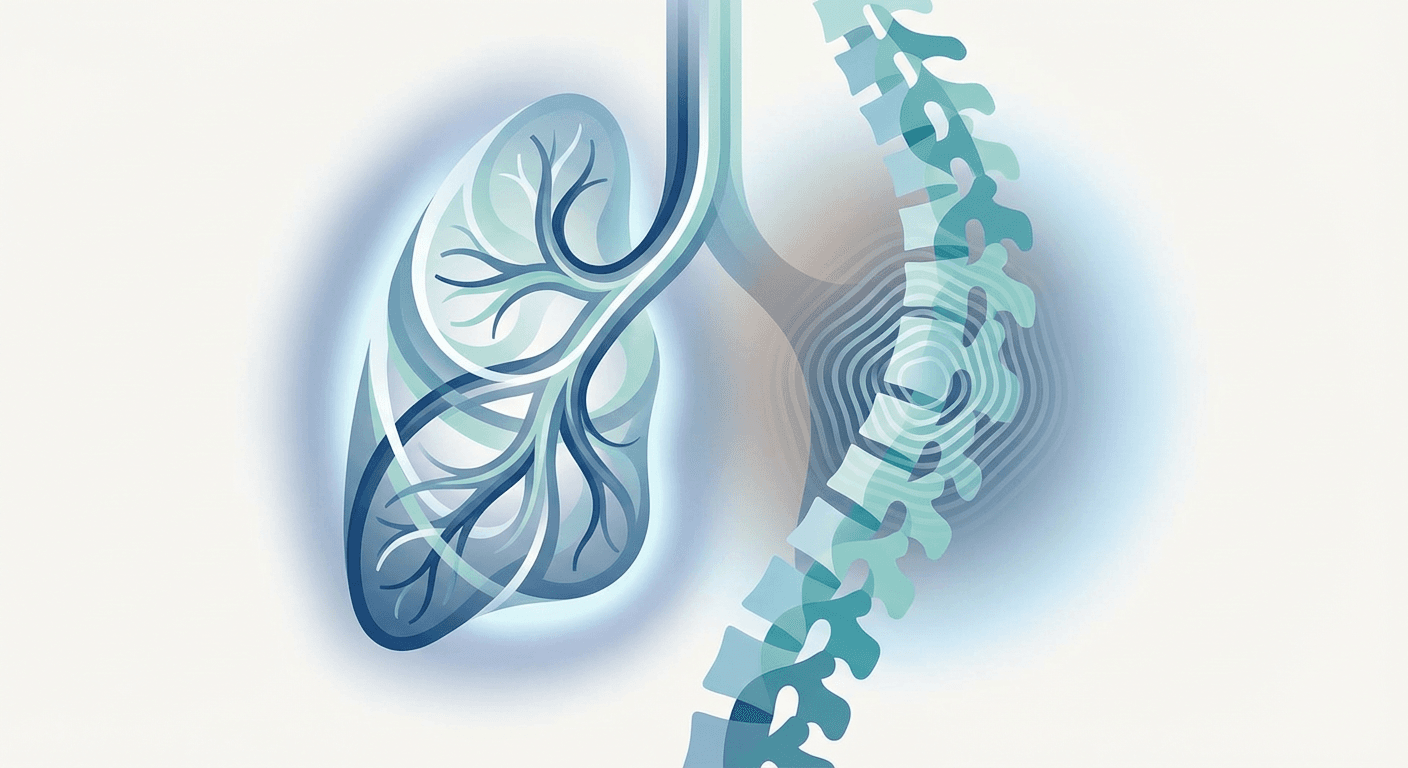
Yes COPD can be associated with back or thoracic (mid‑back) pain, although back pain is not a classic “primary” symptom of COPD. When back pain occurs in someone with COPD, it often relates to musculoskeletal strain from breathing mechanics, chest wall rigidity, coughing, deconditioning and muscle weakness, or coexisting conditions such as osteoporosis or cardiovascular disease. [1] [2]
How COPD may contribute to back pain
- Respiratory muscle overuse and chest wall strain: COPD often causes shortness of breath and a sense of chest tightness, which can lead to overuse of accessory breathing muscles in the neck, chest, and upper back. Repeated labored breathing and coughing may strain the thoracic spine and paraspinal muscles, contributing to mid‑back pain. [1]
- Chest wall rigidity and altered mechanics: Hyperinflation and chronic breathing effort can stiffen the chest wall, limiting mobility and changing posture, which may provoke thoracic discomfort. Interventions that reduce chest wall rigidity can improve breathing mechanics, underscoring the role of chest wall dysfunction in symptoms. [3]
- Muscle weakness and deconditioning: COPD is a systemic disease that commonly leads to peripheral muscle weakness and loss of muscle mass, including in the back and shoulder girdle. Weaker muscles fatigue more easily and may hurt with routine activity. This weakness can persist even beyond the lungs themselves and increases the risk of musculoskeletal pain. [4] [2]
- Cough‑related strain: Chronic or frequent coughing, common in COPD, can trigger muscle spasm or rib and intercostal strain, perceived as back or side pain. [1]
- Osteoporosis and vertebral fractures: People with COPD have higher risks of osteoporosis due to inactivity, systemic inflammation, nutritional issues, and some medications (like long‑term corticosteroids). Osteoporotic vertebral compression fractures can present as acute or chronic back pain. [5]
- Coexisting conditions: COPD commonly coexists with other diseases such as heart disease that can cause referred discomfort to the back or chest. Evaluating for cardiac, gastrointestinal, or other causes is sensible when pain is atypical or persistent. [6]
When back pain needs urgent attention
- Red flags: Sudden severe back pain with shortness of breath, chest pain, fever, new leg weakness, or trauma warrants urgent evaluation to rule out problems such as pneumonia, pulmonary embolism, cardiac ischemia, vertebral fracture, or spinal cord compression. COPD is also associated with pulmonary hypertension and right‑heart strain in some individuals; unexplained worsening breathlessness with back or chest discomfort needs prompt assessment. [7]
Practical evaluation steps
- Clinician assessment: A detailed history and physical exam can differentiate muscle strain from spine, rib, pleural, or cardiac sources. If needed, tests may include chest imaging, spine X‑rays for suspected fractures, and echocardiography when symptoms seem out of proportion to lung function (to assess for pulmonary hypertension). [7]
- Medication and risk review: Reviewing steroid exposure, nutrition, and activity level helps estimate osteoporosis and muscle weakness risks that can drive back pain. Addressing these risks can reduce pain recurrence. [5]
Evidence‑based ways to ease symptoms
- Optimize COPD control: Controlling cough and breathlessness (with appropriate inhalers, pulmonary rehab, and vaccinations) can reduce respiratory muscle overuse and secondary pain. Better breathing mechanics often lessen chest and back strain. [1]
- Pulmonary rehabilitation: Structured programs improve exercise tolerance, train breathing techniques, and strengthen peripheral muscles, which can reduce musculoskeletal pain and fatigue. Greater exercise capacity correlates with improved quality of life in COPD. [3]
- Targeted physical therapy: Thoracic mobility work, posture training, and strengthening of scapular and core muscles relieve strain on the mid‑back. Soft‑tissue therapy and techniques that improve chest wall mobility have been proposed to reduce rigidity and breathing workload. [3]
- Bone health: Screening and treatment for osteoporosis (calcium/vitamin D as appropriate, weight‑bearing exercise, and medications when indicated) can help prevent vertebral fractures that cause back pain. Staying active within safe limits also counters deconditioning. [5]
- Pain management: Short courses of heat/ice, gentle stretching, and over‑the‑counter analgesics may help for muscle strain, while persistent or severe pain should prompt evaluation to identify specific causes before escalating therapy. Any medication plan should consider COPD comorbidities. [5]
Key takeaways
- Back pain is not a hallmark COPD symptom, but it can occur due to muscle overuse, chest wall rigidity, coughing, deconditioning, and osteoporosis, or from coexisting conditions. [1] [4] [5]
- Optimizing lung health and addressing musculoskeletal and bone factors together provides the best chance of relief. [3]
- Seek urgent care if back pain comes with red‑flag symptoms like severe shortness of breath, chest pain, fever, or neurological changes. [7]
If you’d like more personalized guidance, I can help outline questions to discuss with your clinician and suggest a targeted home exercise plan that aligns with your current COPD activity tolerance.
Related Questions
Related Articles
Sources
- 1.^abcdeCOPD(medlineplus.gov)
- 2.^abPeripheral muscle dysfunction and chronic obstructive pulmonary disease.(pubmed.ncbi.nlm.nih.gov)
- 3.^abcdThe role of spinal manipulation, soft-tissue therapy, and exercise in chronic obstructive pulmonary disease: a review of the literature and proposal of an anatomical explanation.(pubmed.ncbi.nlm.nih.gov)
- 4.^abCOPD(medlineplus.gov)
- 5.^abcdeCOPD and other health problems: MedlinePlus Medical Encyclopedia(medlineplus.gov)
- 6.^↑About COPD(cdc.gov)
- 7.^abcPulmonary hypertension secondary to chronic obstructive pulmonary disease.(pubmed.ncbi.nlm.nih.gov)
Important Notice: This information is provided for educational purposes only and is not intended to replace professional medical advice, diagnosis, or treatment. Always consult with a qualified healthcare provider before making any medical decisions.