
 Persly Medical Team
Unintentional Weight Loss in Colon Cancer: Causes and Care
Key Takeaway:
Is weight loss a common symptom of Colon Cancer? Causes and management
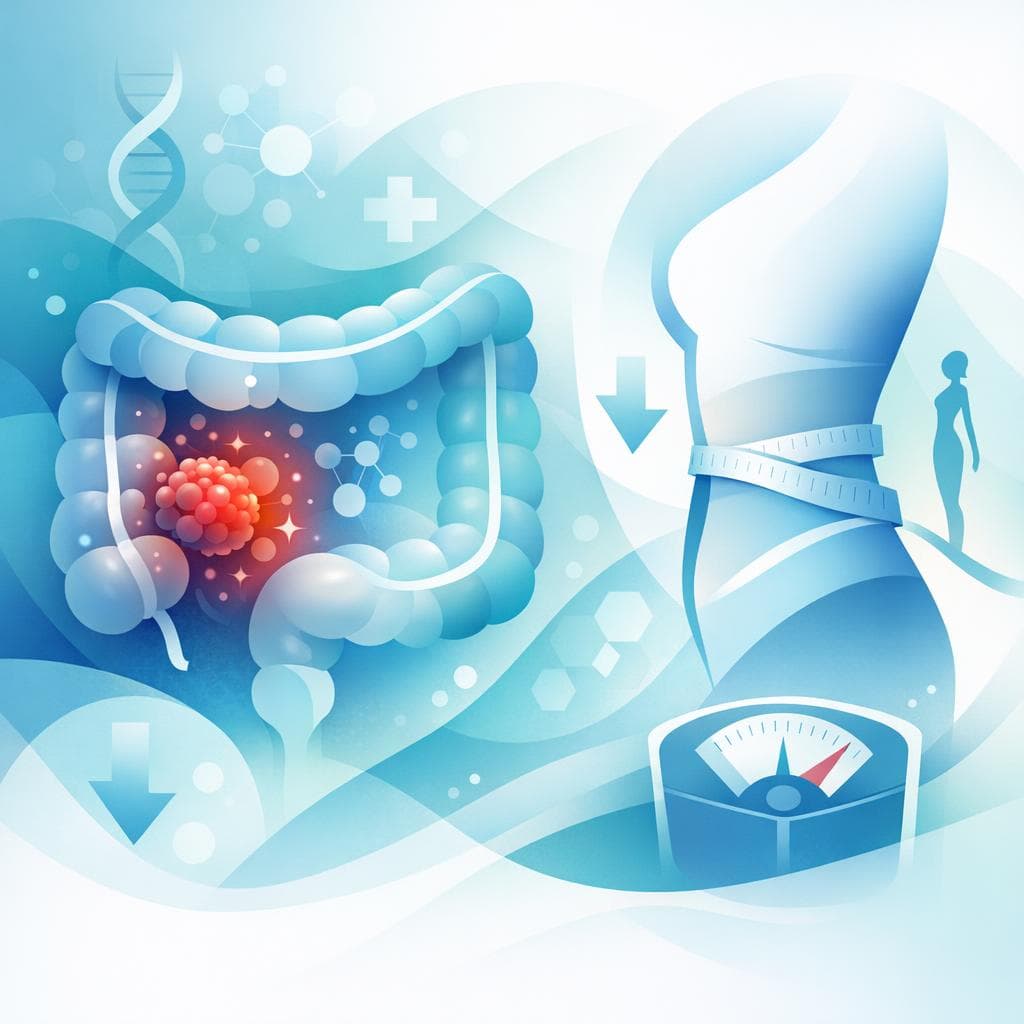
Unintentional weight loss can occur with colon cancer and is recognized among its possible symptoms. [1] Weight loss often appears alongside other signs like changes in bowel habits, fatigue, or rectal bleeding, but not everyone with colon cancer will lose weight. [2] Losing weight without trying is a signal to speak with a healthcare professional, especially if it persists beyond a couple of weeks. [3]
Why weight loss happens
- Tumor-related inflammation and metabolism changes: Cancer can trigger systemic inflammation that raises energy use and alters how the body handles nutrients, leading to loss of both fat and lean muscle (cachexia). [4] Gastrointestinal cancers, including colorectal, have a relatively higher risk for malnutrition and cachexia, especially in advanced stages. [4]
- Reduced intake: Symptoms such as abdominal discomfort, diarrhea, or a feeling of incomplete bowel movements may reduce appetite and food intake. [5] Loss of appetite itself is common and contributes directly to weight loss. [6]
- Treatment effects: Chemotherapy and other treatments may affect digestion, taste, and appetite, which can lead to weight loss. Nutrition specialists can help tailor strategies to maintain intake during treatment. [7]
- Obstruction or malabsorption: In some cases, partial blockage of the bowel or treatment-related changes can hinder adequate nutrient absorption, further promoting weight loss. [6]
When to seek medical care
- Any persistent, unintentional weight loss, especially combined with bowel habit changes, rectal bleeding, or fatigue, warrants timely evaluation. A clinician can rule out many possible causes and, if needed, arrange appropriate tests. [1] If symptoms last beyond two weeks or are severe, arrange an appointment. [8]
How weight loss is assessed
- Clinicians consider recent weight change, appetite, muscle strength, and lab markers to identify malnutrition or cachexia. Older adults and those with advanced disease have higher rates of nutritional impairment and worse outcomes if cachexia is present. [9] In advanced colorectal cancer, different nutrition assessment tools can show variable results, so comprehensive evaluation is important. [10]
Evidence-based management strategies
Core goals
- Maintain or improve energy and protein intake, preserve muscle mass, and support tolerance to cancer treatment. Early nutrition support can help halt or lessen malnutrition. [11]
Practical steps
- Dietitian-guided plan: Work with a registered dietitian experienced in oncology to create a meal plan that meets your calorie and protein needs and fits your preferences. Personalized nutrition improves overall health and quality of life during treatment. [12]
- Oral nutritional supplements: If meeting needs by food alone is hard, preoperative and peri-treatment use of high-protein oral supplements is recommended, particularly around surgery to reduce complications and hospital stay. [13] Perioperative nutritional supplementation is considered essential in nutritionally vulnerable colorectal cancer patients. [14]
- Symptom control: Address nausea, pain, diarrhea, taste changes, or early satiety to enable better intake; the care team may prescribe medications or integrative therapies to reduce discomfort. [15]
- Exercise and activity: Light resistance and aerobic activity can help preserve muscle mass and function, and may support appetite and energy. Multimodal prehabilitation combining nutrition and physical activity is encouraged in colorectal surgery settings, especially for sarcopenia. [16]
- Managing dehydration: Ensure adequate fluids, especially if diarrhea or ostomy output is high; strategies to correct fluid deficits can help appetite and overall wellbeing. [17]
Specialized approaches around surgery (ERAS)
- For those scheduled for colorectal surgery, enhanced recovery programs recommend identifying nutritional risk and starting oral supplements before surgery. Immunonutrition formulas (arginine, omega‑3s, nucleotides, high protein) are preferred when suitable. [14] Patients at nutritional risk have higher postoperative complications and longer stays, so proactive nutrition care matters. [6]
Additional considerations
- Not every case of weight loss means colon cancer; many non-cancer causes exist, but persistent, unexplained loss deserves evaluation. Colonoscopy screening is advised starting at age 45, and earlier for high-risk individuals, to detect disease before symptoms arise. [8]
- For those with a stoma or lower anterior resection (LAR) syndrome, tailored nutrition advice helps manage output, hydration, and bowel function while protecting weight and strength. [18]
- Ongoing support: Cancer centers often provide nutrition services during treatment to manage appetite changes, taste and digestion issues, and weight loss or gain. Clinical dietitian nutritionists can help plan meals and adjust as needs change. [7]
Quick comparison: common contributors and actions
| Contributor to weight loss | What it looks like | What helps |
|---|---|---|
| Inflammation/cachexia | Loss of fat and muscle despite eating; fatigue | Early dietitian input, high-protein intake, resistance exercise, symptom control [4] [11] |
| Reduced appetite/intake | Early fullness, taste changes, nausea | Small frequent meals, calorie-dense foods, anti-nausea meds, oral supplements [7] [12] [13] |
| Bowel symptoms | Diarrhea, cramps, incomplete emptying | Treat symptoms, hydration, soluble fiber as appropriate, individualized diet advice [5] [18] |
| Perioperative needs | Higher risk of complications if malnourished | Preoperative oral supplements, immunonutrition, ERAS protocols [14] [6] [13] |
Key takeaways
- Unintentional weight loss can be a symptom of colon cancer and should be discussed with a clinician if it persists. [1] [3]
- Multiple mechanisms tumor biology, appetite loss, bowel symptoms, and treatment effects can contribute. [5] [4] [7]
- Early, personalized nutrition care (dietitian, oral supplements, symptom control, light exercise) helps maintain strength and support treatment and recovery. [11] [13] [14] [16]
궁금한 점 있으면 언제든 퍼슬리에 물어보세요.
Related Questions
Related Articles


Sources
- 1.^abcColon cancer - Symptoms and causes(mayoclinic.org)
- 2.^↑Colon cancer - Symptoms and causes(mayoclinic.org)
- 3.^abSymptoms and causes - Mayo Clinic(mayoclinic.org)
- 4.^abcdThe Spectrum of Malnutrition/Cachexia/Sarcopenia in Oncology According to Different Cancer Types and Settings: A Narrative Review.(pubmed.ncbi.nlm.nih.gov)
- 5.^abcSymptoms and causes - Mayo Clinic(mayoclinic.org)
- 6.^abcdThe 2024 Korean Enhanced Recovery After Surgery (ERAS) guidelines for colorectal cancer: a secondary publication(coloproctol.org)
- 7.^abcdColon Cancer Treatments for Early to Metastatic Colon Cancer(mskcc.org)
- 8.^abColon Cancer: Symptoms, Types, Causes, Prevention and Screening Guidelines(mskcc.org)
- 9.^↑Prevalence and prognostic impact of cachexia among older patients with cancer: a nationwide cross-sectional survey (NutriAgeCancer).(pubmed.ncbi.nlm.nih.gov)
- 10.^↑Nutritional status, cachexia and survival in patients with advanced colorectal carcinoma. Different assessment criteria for nutritional status provide unequal results.(pubmed.ncbi.nlm.nih.gov)
- 11.^abcNutritional support in patients with colorectal cancer during chemotherapy: does it work?(pubmed.ncbi.nlm.nih.gov)
- 12.^ab영양과 대장암(ko.colorectalcancer.org)
- 13.^abcdThe 2024 Korean Enhanced Recovery After Surgery (ERAS) guidelines for colorectal cancer: a secondary publication(coloproctol.org)
- 14.^abcdThe 2024 Korean Enhanced Recovery After Surgery (ERAS) guidelines for colorectal cancer: a secondary publication(coloproctol.org)
- 15.^↑Support for Colorectal Cancer(nyulangone.org)
- 16.^abMultimodal prerehabilitation for elderly patients with sarcopenia in colorectal surgery(coloproctol.org)
- 17.^↑영양과 대장암(ko.colorectalcancer.org)
- 18.^ab영양과 대장암(ko.colorectalcancer.org)
Important Notice: This information is provided for educational purposes only and is not intended to replace professional medical advice, diagnosis, or treatment. Always consult with a qualified healthcare provider before making any medical decisions.