
 Persly Medical Team
Is Joint Pain Linked to Colon Cancer? Causes and Care
Is Joint Pain a Common Symptom of Colon Cancer?
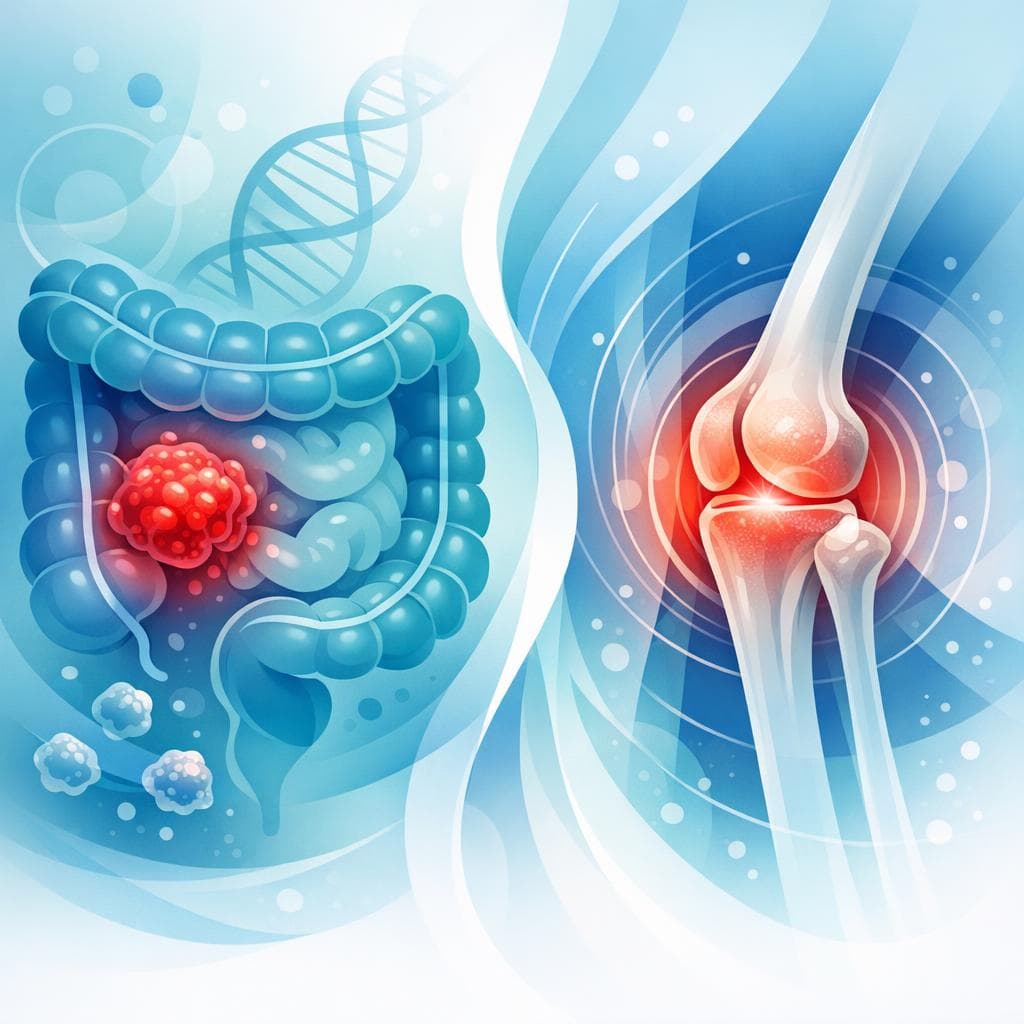
Joint pain is generally not a common or hallmark symptom of colon cancer, especially in early stages. When it does occur, it’s more often due to advanced disease (spread to other areas), treatment side effects, or rare immune reactions rather than the tumor in the colon itself. Metastatic (stage 4) colon cancer typically requires complex, symptom-focused care including pain management. [1] Symptom control in advanced colon cancer often combines medications, procedures, and supportive therapies to improve quality of life. [1]
How Joint Pain Can Happen
-
Cancer spread (metastasis): Colon cancer can spread to bones or nearby structures, which may lead to localized bone and joint pain; advanced disease commonly needs tailored pain strategies to manage such symptoms. [1] Multidisciplinary pain services in cancer centers address cancer-related pain, including musculoskeletal problems. [2] [3]
-
Paraneoplastic arthritis (immune-mediated): Rarely, an immune reaction triggered by the cancer can cause a sudden, rheumatoid-like polyarthritis; in reported cases, joint pain can improve after effective cancer treatment. [4] Some paraneoplastic syndromes present with rash and arthritis linked to colon tumors. [5]
-
Treatment side effects: Certain chemotherapies and targeted therapies can cause muscle and joint aches, nerve pain, or stiffness; specialized cancer pain programs commonly manage these issues alongside oncologic treatment. [2] [3]
What Joint Pain Feels Like in This Context
-
Bone involvement: Deep, persistent pain that may worsen at night or with movement, sometimes with tenderness over the bone; this pattern often requires imaging and focused pain care. [1] Integrated cancer pain services evaluate and treat complex pain patterns, including musculoskeletal and neuropathic pain. [2] [3]
-
Paraneoplastic arthritis: Sudden onset of symmetric joint swelling and stiffness resembling rheumatoid arthritis, sometimes with poor response to standard anti-inflammatory drugs until the underlying cancer is treated. [4] Paraneoplastic vasculitis can present with rash plus joint pain; recognition can prompt cancer evaluation. [5]
When to Seek Evaluation
- New or worsening joint pain with a history of colon cancer or during treatment should be assessed, as it may signal spread, complications, or treatment effects. Coordinated oncology and pain teams typically perform targeted exams, imaging, and lab tests to identify the cause. [1] Cancer centers provide joint examinations and ultrasound-guided musculoskeletal evaluations when needed. [6] [7]
Management Options
Multimodal Pain Care
-
Medications: A stepwise plan often starts with non-opioid analgesics (such as acetaminophen or NSAIDs when appropriate), adding adjuvants for nerve pain (like gabapentinoids) and carefully used opioids for moderate to severe cancer-related pain. Ongoing screening and follow-up help tailor therapy and improve safety. [8] Specialized cancer pain programs offer individualized regimens for cancer-related pain. [9]
-
Procedures: For focal joint or soft-tissue pain, ultrasound-guided injections (local anesthetics or corticosteroids) can reduce inflammation and pain. [6] [7] If bone metastases are involved, options may include radiation therapy to the affected site as part of oncologic care. [1]
-
Physical and rehabilitative therapies: Targeted exercise, physical therapy, and assistive devices can improve mobility and function while reducing pain. Comprehensive programs routinely include these non-drug strategies. [3] Cancer pain services coordinate rehabilitation for musculoskeletal problems. [2]
-
Treating the underlying cancer: Effective systemic therapy or surgery can lessen paraneoplastic arthritis; reported cases show joint pain subsiding after successful cancer treatment. [4] Addressing the cancer driving vasculitic or arthritic symptoms can also improve joint pain. [5]
Supportive Care
- Pain management teams: Integrated clinics manage complex cancer-related musculoskeletal and neuropathic pain, adjusting treatments over time for best relief and function. [3] These services are standard in advanced colon cancer care pathways. [1]
Practical Tips for You
- Track your symptoms: Note timing, severity, and what helps or worsens the pain; this guides tailored treatment plans in cancer pain clinics. Regular screening and follow-up are key to optimizing pain control. [8]
- Ask about targeted therapies for pain: Injections, nerve blocks, and physical therapy can be added to medications for better relief and fewer side effects. [6] [7] [3]
- Coordinate with oncology: If you suspect a new pattern of joint pain, share it with your cancer team; evaluating for spread or paraneoplastic causes can change the treatment approach. [1] [4]
Bottom Line
- Joint pain isn’t a typical early symptom of colon cancer, but it can occur with advanced disease, treatment side effects, or rare immune-related syndromes. [1]
- Comprehensive pain care including medications, procedures, physical therapy, and treating the underlying cancer usually provides relief and improves daily function. [8] [9] [6] [7]
Related Questions
Related Articles


Sources
- 1.^abcdefghiSymptoms and causes - Mayo Clinic(mayoclinic.org)
- 2.^abcdStage 4 (metastatic) colon cancer - Doctors and departments(mayoclinic.org)
- 3.^abcdefStage 4 (metastatic) colon cancer - Doctors and departments(mayoclinic.org)
- 4.^abcdCancer polyarthritis resembling rheumatoid arthritis as a first sign of hidden neoplasms. Report of two cases and review of the literature.(pubmed.ncbi.nlm.nih.gov)
- 5.^abcUrticarial vasculitis as an initial manifestation of colonic carcinoma: a case report and review of the literature.(pubmed.ncbi.nlm.nih.gov)
- 6.^abcdStage 4 (metastatic) colon cancer - Doctors and departments(mayoclinic.org)
- 7.^abcdStage 4 (metastatic) colon cancer - Doctors and departments(mayoclinic.org)
- 8.^abcPain Among Cancer Survivors(cdc.gov)
- 9.^abPain Management(mskcc.org)
Important Notice: This information is provided for educational purposes only and is not intended to replace professional medical advice, diagnosis, or treatment. Always consult with a qualified healthcare provider before making any medical decisions.