
 Persly Medical Team
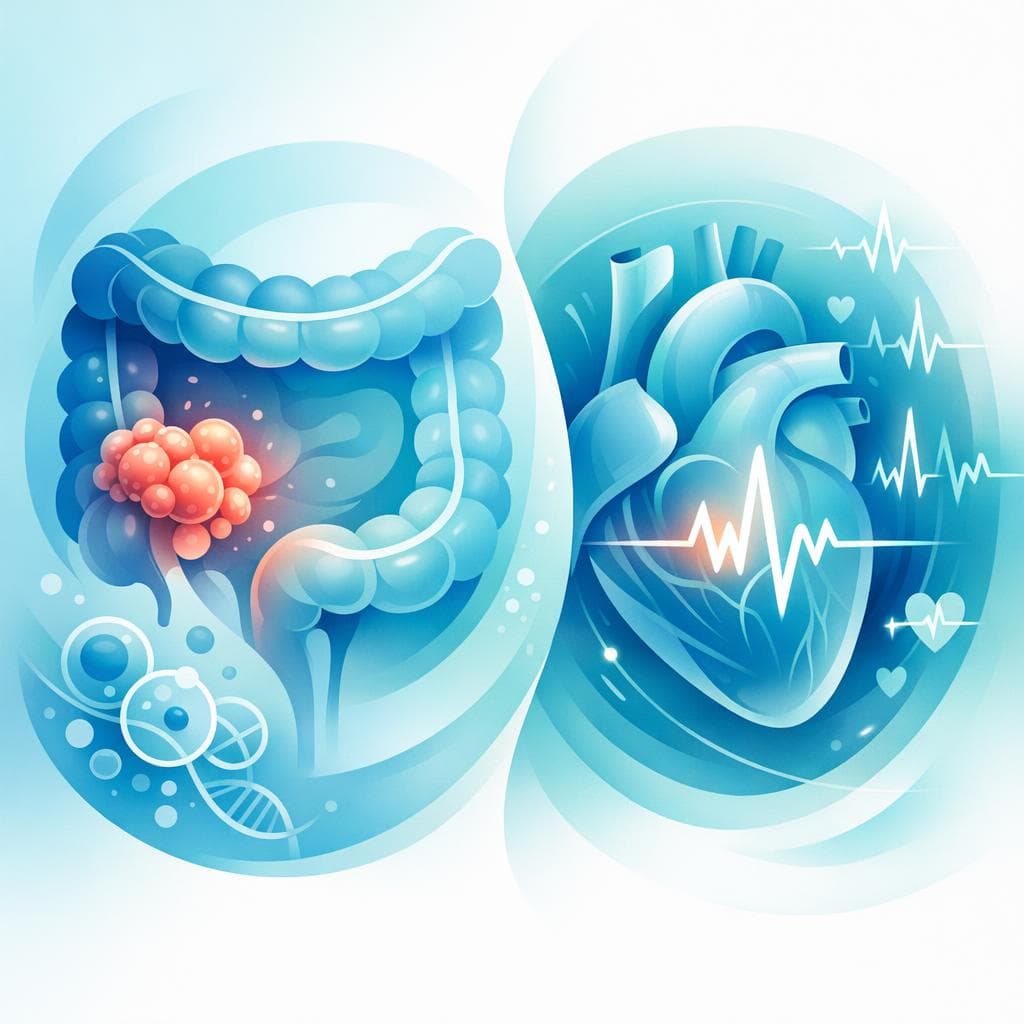
Are Heart Palpitations Linked to Colon Cancer?
Key Takeaway:
Are Heart Palpitations Linked to Colon Cancer?
Heart palpitations are not considered a common or typical symptom of colon cancer itself. Core signs of colon cancer usually involve bowel habit changes, blood in the stool, abdominal pain, unexplained weight loss, fatigue, and iron‑deficiency anemia rather than cardiac rhythm symptoms. [1] Iron‑deficiency anemia from chronic blood loss can make you feel tired or weak and may indirectly cause palpitations, but the palpitations are generally due to the anemia rather than the tumor itself. [1]
What colon cancer typically causes
- Changes in bowel habits (constipation or diarrhea), blood in stool, abdominal pain. [1]
- Weakness or tiredness, often linked to low iron from chronic occult bleeding. [1]
- Unintentional weight loss and persistent symptoms warrant medical evaluation. [1]
- In younger adults, similar symptom patterns apply, including tiredness from low iron. [2]
When palpitations do occur: common explanations
- Iron‑deficiency anemia: Chronic bleeding from a colon tumor can lower hemoglobin, making the heart beat faster or feel irregular as it tries to deliver oxygen; case reports describe presentations with fatigue and palpitations in severe anemia due to colon cancer. [3]
- Electrolyte imbalances: Vomiting, diarrhea, or poor nutrition from cancer or treatment can disturb potassium or magnesium levels, which can trigger palpitations or arrhythmias. While colon cancer pages list many oncology and cardiology departments together, the typical mechanism for palpitations is metabolic disturbance rather than the cancer itself. [2]
- Stress, pain, dehydration, or fever: These raise heart rate and can feel like palpitations; they are general responses and not specific to colon cancer. [1]
- Pre‑existing heart rhythm problems: Atrial fibrillation or other arrhythmias may flare under physiological stress; rare case reports note co‑occurrence with bowel pathology. [4]
Red flags that need prompt care
- Palpitations with chest pain, fainting, shortness of breath, or a heart rate >120, especially if persistent, should be assessed urgently, as these may signal significant arrhythmia or severe anemia. [3]
- Black or maroon stools, visible blood in stool, progressive fatigue, or unexplained weight loss should be evaluated for possible gastrointestinal bleeding and colon cancer. [1]
How palpitations are evaluated in someone with suspected or confirmed colon cancer
- Check hemoglobin and iron studies (CBC, ferritin, transferrin saturation) to look for iron‑deficiency anemia from occult bleeding. [1]
- Electrolyte panel (potassium, magnesium, calcium), kidney function, and thyroid tests to rule out metabolic causes of palpitations. This is important because treatment-related and illness-related imbalances can trigger arrhythmias. [5]
- ECG and possibly ambulatory monitoring (Holter) if palpitations are frequent or associated with symptoms, to document rhythm and guide therapy. Cardio‑oncology programs emphasize coordinated evaluation of cardiovascular risks during cancer care. [6] [7]
- Stool testing or colonoscopy when bleeding or anemia is present, to identify and manage the source. Typical diagnostic pathways for colorectal cancer include endoscopic evaluation. [8]
Management: treating both the symptom and the cause
- Address anemia: Oral or intravenous iron, transfusion if severe, and definitive treatment of the bleeding source (for example, resection of the tumor), which often resolves palpitations once hemoglobin normalizes. [3]
- Correct electrolytes and hydration: Replete potassium and magnesium, treat diarrhea or vomiting, and maintain adequate fluid intake to reduce rhythm irritability. Cardio‑oncology guidance recommends proactive monitoring and correction of electrolytes in patients on antineoplastic therapy due to arrhythmia risk. [9] [5]
- Review cancer treatments: Some therapies can affect the heart’s rhythm or blood pressure; clinicians may adjust doses, monitor ECG and electrolytes, and add cardioprotective strategies when needed. [9] [5]
- Symptom control for palpitations:
- Gentle beta‑blockers may be considered when appropriate to slow heart rate, especially if anxiety or hyperadrenergic states contribute; decisions are individualized based on blood pressure, anemia severity, and overall status. [6] [7]
- Treat underlying triggers like pain, fever, or anxiety to reduce sympathetic drive. [6]
- Lifestyle measures: Limit caffeine and stimulants, prioritize sleep, and practice stress‑reduction techniques; these can help reduce benign palpitations while medical issues are addressed. [6]
Practical steps you can take
- Seek medical evaluation if palpitations are new, persistent, or paired with fatigue and possible bleeding in stool; identifying anemia and its source is key. [1]
- Keep a simple log of episodes (time, duration, triggers, symptoms like dizziness or chest pain) to aid your clinician’s assessment. [6]
- Ask about cardio‑oncology support if you’re in cancer care; coordinated teams help manage heart risks during treatment. [6] [7]
Bottom line
- Palpitations are not a typical direct symptom of colon cancer, but they can occur indirectly most often due to iron‑deficiency anemia from chronic gastrointestinal bleeding, electrolyte problems, or treatment effects. [1] [3]
- Managing palpitations means correcting the underlying cause (like anemia or electrolyte imbalance), monitoring the heart rhythm when needed, and adjusting cancer therapy to minimize cardiac side effects. [9] [5]
Related Questions
Related Articles


Sources
- 1.^abcdefghijColon cancer - Symptoms and causes(mayoclinic.org)
- 2.^abEarly-onset colon cancer(mayoclinic.org)
- 3.^abcdExtreme anemia (hemoglobin 1.8 g/dL) secondary to colon cancer.(pubmed.ncbi.nlm.nih.gov)
- 4.^↑Fast atrial fibrillation and caecal volvulus--a case report and evidence based management.(pubmed.ncbi.nlm.nih.gov)
- 5.^abcd1851-Cardiac toxicity associated with antineoplastic agents(eviq.org.au)
- 6.^abcdefCardio-oncology — A marriage of cardiology & oncology(mayoclinic.org)
- 7.^abcCardio-oncology — A marriage of cardiology & oncology(mayoclinic.org)
- 8.^↑Colorectal and Lower Gastrointestinal Cancers: Symptoms to Treatment and More(mskcc.org)
- 9.^abc1851-Cardiac toxicity associated with antineoplastic agents(eviq.org.au)
Important Notice: This information is provided for educational purposes only and is not intended to replace professional medical advice, diagnosis, or treatment. Always consult with a qualified healthcare provider before making any medical decisions.