
 Persly Medical Team
Appetite Loss in Colon Cancer: Causes and Care
Key Takeaway:
Is appetite loss a common symptom of Colon Cancer? What causes it and how can it be managed?
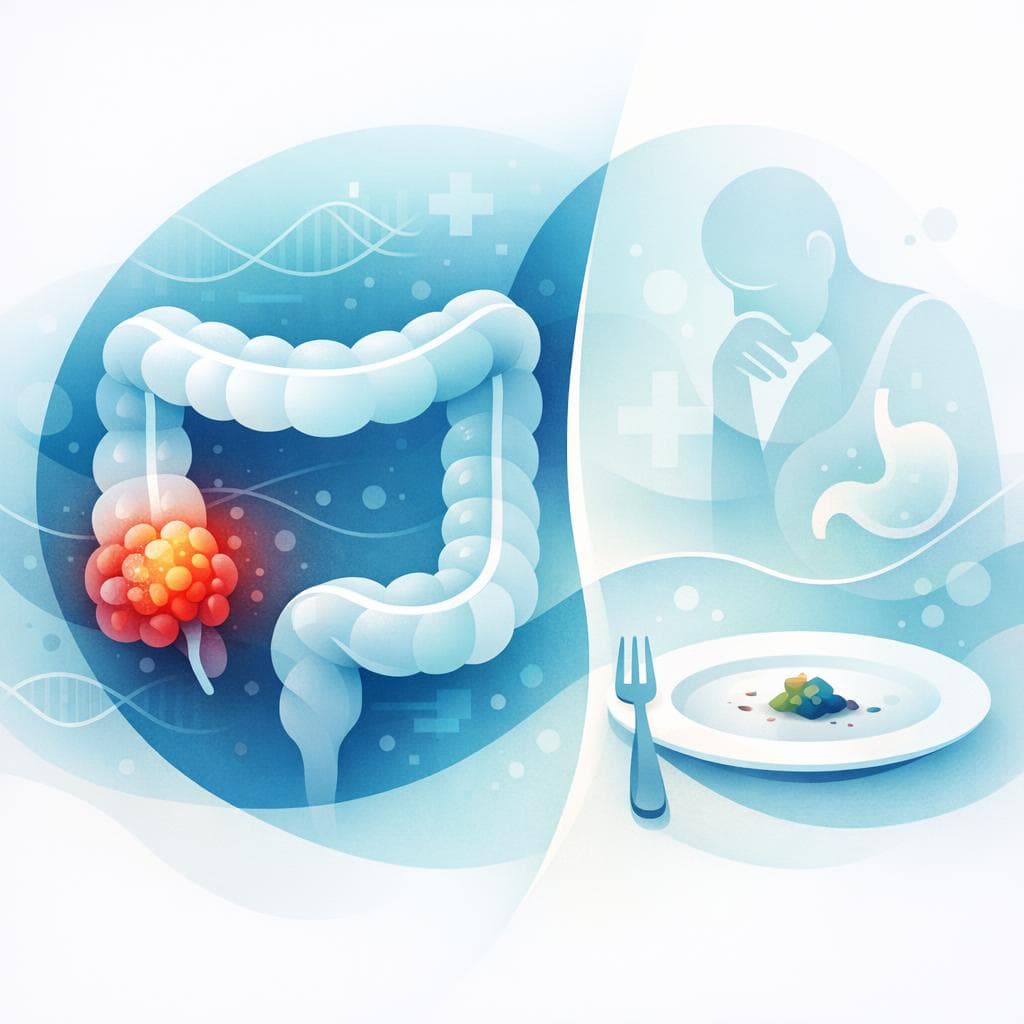
Appetite loss can occur with colon cancer and is often mentioned alongside unintentional weight loss and fatigue, especially once symptoms appear. [1] In early stages, colon cancer may cause few or vague symptoms, but decreased appetite or weight loss can be among the more common signs reported when symptoms do develop. [2] Loss of appetite may also result from cancer treatments that affect digestion, taste, and hunger signals. [3]
How common and when it shows up
- In many people, early colon cancer may cause no clear symptoms; when symptoms occur, decreased appetite or weight loss is frequently listed among the typical signs. [2] [1]
- Appetite changes are also common during and after treatment because chemotherapy, targeted therapy, and surgery can change taste, smell, digestion, and the way hunger is regulated. [3] These changes can make food less appealing or cause early fullness. [3]
Why appetite loss happens
- Cancer itself can reduce appetite through metabolic and inflammatory changes that alter hunger signals and energy use, contributing to anorexia (loss of appetite) and cachexia (weight and muscle loss). [4]
- Emotions such as sadness or depression, as well as other medical conditions, can also reduce appetite; several cancers, including colon cancer, are known to cause decreased appetite and unintentional weight loss. [5]
- Treatment effects on digestion and taste can further reduce interest in eating or cause nausea, early satiety, and changes in how food tastes and smells. [3]
Related symptoms to watch
- People may also notice changes in bowel habits, abdominal pain or cramping, blood in stool, fatigue, or weight loss without trying, which can accompany appetite changes. [1] [2]
Practical nutrition strategies during treatment
- Eating on a schedule rather than waiting for hunger can help you maintain calorie and protein intake when appetite is low. [6]
- Small, frequent meals and snacks are often easier to manage than large meals. [7]
- Take advantage of times when you feel more hungry (often mornings) to eat more. [7]
- Limit fluids during meals to reduce early fullness, but stay hydrated between meals. [7]
- Choose calorie- and protein-dense foods to support recovery, and adjust textures and flavors to match changing taste or mouth comfort. [6]
- Dietitian support can help with meal planning, special diets, allergies, and managing symptoms like weight change and loss of appetite. [3]
Medical management options
- Nutritional counseling and supportive care are first-line approaches to address reduced intake, nausea, and taste changes. [3]
- For cancer-related anorexia and cachexia, megestrol acetate has shown consistent improvements in appetite and food intake in clinical trials, while corticosteroids may offer short-term benefit in selected cases; these medicines should be considered and monitored by your oncology team. [4] [8]
- Aggressive artificial nutrition is usually not helpful for cachexia; care should focus on comfort, symptom control (for nausea or pain), and realistic goals for eating. [9]
- Ongoing research is exploring agents such as omega-3 fatty acids, cannabinoids, ghrelin, and anti–IL-6 therapies, but their roles are still being defined. [4]
When to seek medical advice
- If you notice appetite loss with weight loss, blood in stool, abdominal pain, or new changes in bowel habits, it’s reasonable to talk with a clinician for assessment. [1] If you are in treatment and appetite loss limits your intake, ask for a referral to a clinical dietitian and discuss medications or strategies to improve symptoms. [3]
Key takeaways
- Appetite loss can be part of colon cancer’s symptom profile, especially with weight loss, though early disease may be silent. [1] [2]
- Cancer biology and treatments both contribute to decreased appetite. [3] [4]
- Structured eating, symptom control, dietitian guidance, and selected medications may help manage appetite loss and support nutrition. [3] [6] [4] [8]
Related Questions
Related Articles


Sources
- 1.^abcdeColon Cancer(stanfordhealthcare.org)
- 2.^abcdColon Cancer(stanfordhealthcare.org)
- 3.^abcdefghiColon Cancer Treatments for Early to Metastatic Colon Cancer(mskcc.org)
- 4.^abcdeClinical evaluation and optimal management of cancer cachexia.(pubmed.ncbi.nlm.nih.gov)
- 5.^↑Appetite - decreased: MedlinePlus Medical Encyclopedia(medlineplus.gov)
- 6.^abcNo appetite during cancer treatment? Try these tips(mayoclinic.org)
- 7.^abcNo appetite? How to get nutrition during cancer treatment(mayoclinic.org)
- 8.^abNutrition in advanced cancer: anorexia as an outcome variable and target of therapy.(pubmed.ncbi.nlm.nih.gov)
- 9.^↑Anorexia and cachexia in advanced cancer patients.(pubmed.ncbi.nlm.nih.gov)
Important Notice: This information is provided for educational purposes only and is not intended to replace professional medical advice, diagnosis, or treatment. Always consult with a qualified healthcare provider before making any medical decisions.