
 Persly Medical Team
Chest Pain and Cervical Cancer: Symptoms, Causes, Care
Chest Pain and Cervical Cancer: What’s Common, What’s Not, and How to Manage It
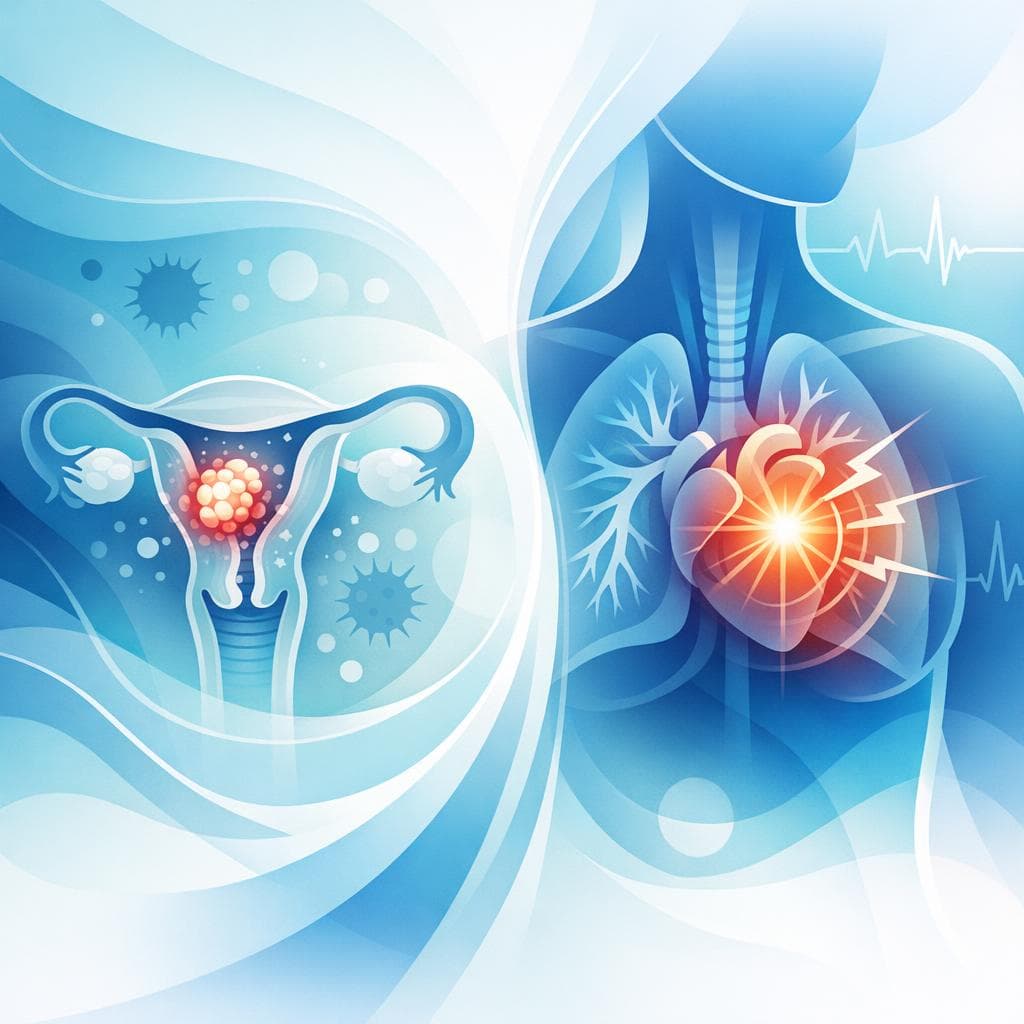
Short answer: Chest pain is not a common symptom of cervical cancer itself, especially in early stages. Cervical cancer symptoms typically involve the pelvis (abnormal vaginal bleeding, discharge, pelvic pain), while chest pain more often points to heart or lung conditions unrelated to the cervix. However, in advanced cervical cancer or during/after certain treatments, chest pain can occur for specific reasons and should be evaluated promptly. [1] [2]
Typical Symptoms of Cervical Cancer
- Early stages often have no symptoms, which is why routine screening (Pap test and HPV testing) is important. [2]
- When symptoms do appear, they are usually gynecologic: abnormal vaginal bleeding (after sex, between periods, or after menopause), watery/bloody discharge with odor, and pelvic pain or pain during sex. [1] [2]
- In more advanced disease, additional symptoms may include abdominal pain, backache, swollen legs, urinary or bowel difficulties, fatigue, and other pelvic or systemic complaints. [3] [4]
Is Chest Pain Linked to Cervical Cancer?
- Chest pain is not a typical cervical cancer symptom. Core symptom lists focus on pelvic and vaginal issues rather than chest discomfort. [1] [2]
- When cancer spreads (metastasis): Cervical cancer can spread to lungs, bones, liver, lymph nodes, and other sites in advanced stages, which can sometimes cause chest-related symptoms depending on location (for example, lung involvement may lead to chest pain, cough, or shortness of breath). Imaging such as chest X‑ray, CT, or PET/CT is commonly used to check if cancer has spread to the chest. [5] [6]
Possible Causes of Chest Pain in Someone With Cervical Cancer
-
Non-cancer causes (most common overall):
- Heart conditions (angina, heart attack) often present as crushing/squeezing chest pressure and may radiate to the arm or jaw, with sweating or shortness of breath. These require urgent care. [7]
- Lung problems such as pneumonia, pleurisy, or pulmonary embolism (blood clot in the lung) can cause sharp chest pain and breathing trouble. [8] [9]
- Gastroesophageal causes (heartburn), musculoskeletal pain (costochondritis) are also common. [8]
-
Cancer-related causes (less common):
- Metastatic spread to the lungs or chest structures, causing pain, cough, or breathing symptoms; staging workup often includes chest imaging to detect this. [5] [6]
- Treatment-related cardiotoxicity from some anticancer drugs can cause chest pain, angina, arrhythmias, or rarely myocardial infarction; onset can be within hours to days after administration and warrants cardiology evaluation. [10]
- Radiation effects (in cancers treated near the chest) and broader cardio-oncology risks can contribute to heart symptoms; coordinated care helps identify at-risk individuals early. [11] [12]
When Chest Pain Needs Urgent Attention
- Seek emergency care immediately if chest pain is sudden and crushing/squeezing, spreads to the jaw/left arm/back, or comes with nausea, dizziness, sweating, racing heart, or shortness of breath. These signs can indicate a heart attack or pulmonary embolism and require prompt evaluation. [7]
How Chest Pain Is Evaluated in the Context of Cervical Cancer
- Medical history and exam: Distinguish cardiac, pulmonary, gastrointestinal, and musculoskeletal patterns; review timing relative to chemotherapy or other treatments. [8]
- Tests as indicated: ECG and cardiac enzymes for heart causes; chest X‑ray/CT for lung causes or to assess spread; PET/CT can help locate cancer and define stage when spread is suspected. [6] [13]
- Cancer staging and follow‑up: If symptoms or prior screening suggest cancer progression, biopsy and imaging are used to confirm diagnosis and extent. [13]
Management Strategies
- Treat the underlying cause: Management depends on whether pain is cardiac, pulmonary, gastrointestinal, musculoskeletal, metastatic, or treatment-related. Addressing the root problem is essential. [8]
- Symptom relief (supportive care):
- Pain control follows cancer-care best practices: early recognition, characterization of pain type (acute, chronic, breakthrough), tailored medications and non-drug options, education, and close follow-up to adjust treatment. [14] [15] [16]
- If chest pain is linked to anticancer therapy, clinicians may adjust drug selection, dosing, or schedule, and involve cardiology (cardio-oncology) for monitoring and protection strategies. [10] [12]
- Palliative care can be integrated early to optimize symptom control, reduce stress, and improve quality of life in those with complex cardiac–cancer interactions. [17]
- Self-care and monitoring: Avoid strenuous activity during acute pain, note triggers and timing (e.g., after chemo), and keep a symptom diary to share with your care team; but do not delay urgent care when red flags are present. [7]
Practical Takeaways
- Chest pain is uncommon in cervical cancer and usually points to non-cancer causes, especially heart or lung conditions. [1] [8]
- In advanced disease or during treatment, chest pain can occur due to metastasis to the lungs or cardiotoxic effects of certain therapies; targeted imaging and cardio-oncology input help guide care. [5] [6] [10]
- Act fast on emergency signs and involve your oncology team to coordinate evaluation and safe management plans. [7] [12]
Related Questions
Related Articles


Sources
- 1.^abcdCervical Cancer(medlineplus.gov)
- 2.^abcdCervical cancer - Symptoms and causes(mayoclinic.org)
- 3.^↑Cervical Cancer(medlineplus.gov)
- 4.^↑Cervical Cancer(medlineplus.gov)
- 5.^abcCervical cancer: MedlinePlus Medical Encyclopedia(medlineplus.gov)
- 6.^abcdImaging Tests for Cervical Cancer(stanfordhealthcare.org)
- 7.^abcdChest pain: MedlinePlus Medical Encyclopedia(medlineplus.gov)
- 8.^abcdeChest Pain(medlineplus.gov)
- 9.^↑Chest Pain(medlineplus.gov)
- 10.^abc1851-Cardiac toxicity associated with antineoplastic agents(eviq.org.au)
- 11.^↑Cardio-oncology — A marriage of cardiology & oncology(mayoclinic.org)
- 12.^abcCardio-oncology — A marriage of cardiology & oncology(mayoclinic.org)
- 13.^abCervical Cancer(stanfordhealthcare.org)
- 14.^↑Pain Among Cancer Survivors(cdc.gov)
- 15.^↑Pain Among Cancer Survivors(cdc.gov)
- 16.^↑Pain Among Cancer Survivors(cdc.gov)
- 17.^↑NYU Langone Cardiologist Leads Guidance on Heart Failure & Cancer: Insights into a Reciprocal Relationship & Emerging Treatments(nyulangone.org)
Important Notice: This information is provided for educational purposes only and is not intended to replace professional medical advice, diagnosis, or treatment. Always consult with a qualified healthcare provider before making any medical decisions.