
 Persly Medical Team
Based on WHO | Can adrenal cancer cause heart palpitations, and what warning signs suggest the palpitations are due to excess adrenal hormones?
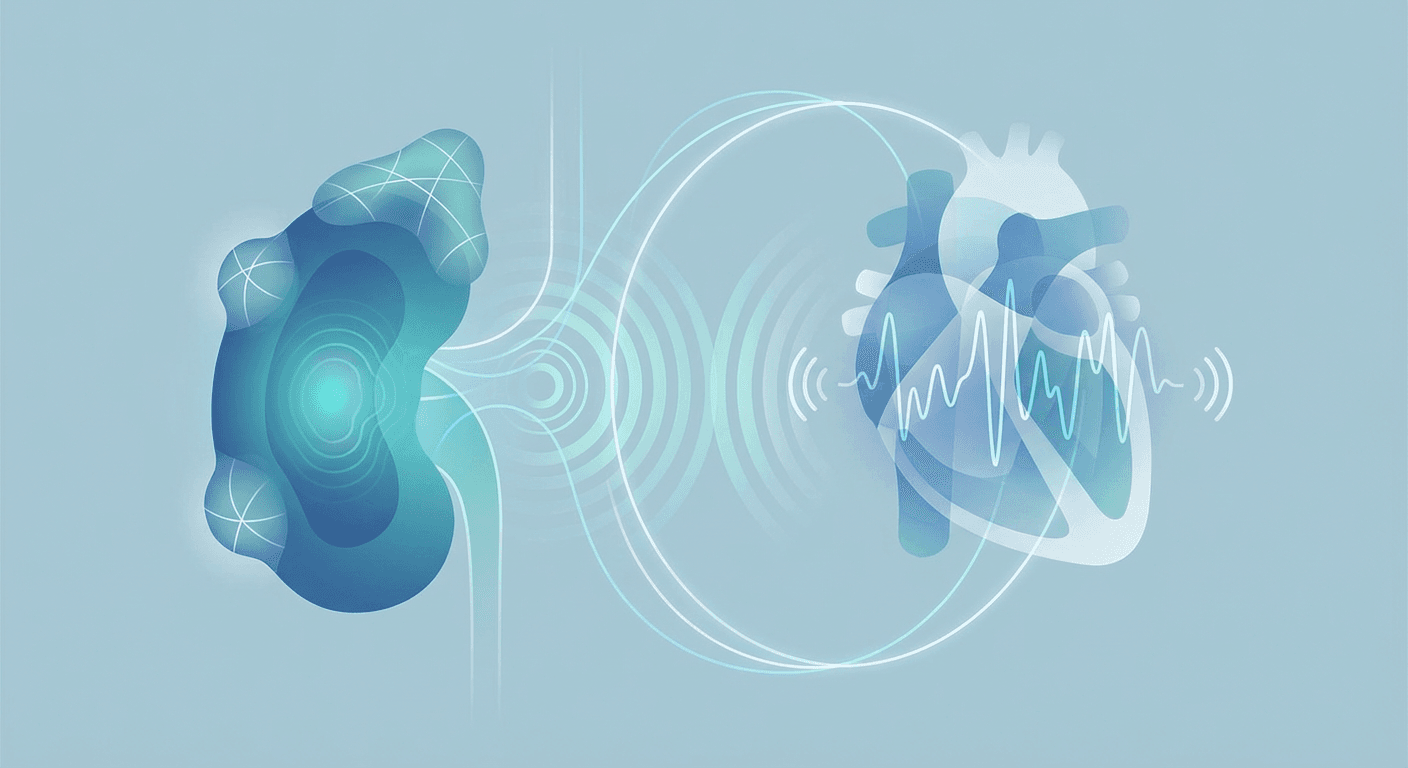
Adrenal tumors can cause heart palpitations when they overproduce catecholamines, leading to rapid heartbeat, blood pressure spikes, sweating, headaches, tremor, and anxiety. Palpitations that occur with severe headache, diaphoresis, and sudden hypertension are suggestive; diagnosis uses plasma or 24-hour urine metanephrines, and treatment targets hormone control and tumor removal.
Adrenal tumors can cause heart palpitations when they make too much hormone, especially catecholamines (adrenaline and noradrenaline), which speed up the heart and raise blood pressure. [1] In contrast, strictly “adrenal cortical cancer” (adrenocortical carcinoma) more often overproduces cortisol or sex hormones; palpitations are less typical in that scenario unless there is rare catecholamine-like activity or secondary effects. [2] That said, a subset of adrenal and related neuroendocrine tumors (pheochromocytomas and paragangliomas) commonly cause palpitations due to catecholamine excess. [3]
How adrenal tumors trigger palpitations
- Catecholamine-secreting tumors (pheochromocytomas/paragangliomas) release excess adrenaline and noradrenaline, which can cause a rapid or pounding heartbeat, spikes in blood pressure, sweating, headaches, tremors, and anxiety. [3] [4]
- Functional adrenal tumors even when benign can elevate hormones and lead to rapid heart rate (tachycardia) and high blood pressure. [5]
- While most adrenocortical cancers do not secrete catecholamines, aldosterone- or cortisol-producing tumors can still provoke cardiovascular symptoms (e.g., hypertension, low potassium from aldosterone excess) that may be felt as palpitations or skipped beats. [6]
Warning signs your palpitations may be hormone-driven
- Episodes that cluster with severe headaches, heavy sweating, and sudden high blood pressure suggest catecholamine excess. [1]
- Palpitations accompanied by anxiety, pallor (becoming very pale), tremor, or a sense of “impending doom” are classic for pheochromocytoma. [4]
- Rapid heart rate with labile (swinging) blood pressure, sometimes with high blood sugar, points toward catecholamine-secreting tumors. [3]
- If blood tests show low potassium along with high blood pressure, aldosterone-producing adrenal disease may be contributing to arrhythmia-like symptoms. [6]
Typical symptom clusters
- Pheochromocytoma/paraganglioma: palpitations plus headache, sweating, rapid heart rate, anxiety, and marked blood pressure spikes. [1] [3]
- Functional adrenal tumors generally: rapid heart rate and hypertension with other hormone-related signs (easy bruising and fluid retention may indicate cortisol excess; low potassium may indicate aldosterone excess). [5] [6]
When to seek urgent care
- Sudden palpitations with severe headache, chest pain, shortness of breath, fainting, or very high blood pressure should be evaluated immediately, as catecholamine surges can be dangerous. [1]
How doctors confirm hormone-related palpitations
- Blood or 24‑hour urine tests for metanephrines (breakdown products of catecholamines) help identify pheochromocytoma/paraganglioma. [7] [8]
- If biochemical tests are positive, imaging (CT/MRI and specialized scans when needed) is used to locate the tumor. [9]
- For other adrenal hormone excess, tailored blood/urine testing (e.g., cortisol, aldosterone, and related markers) and imaging are standard. [10]
Treatment basics
- For catecholamine-secreting tumors, surgical removal after careful preoperative blood‑pressure and heart‑rate control often resolves palpitations and hypertension. [1]
- Managing functional adrenal tumors generally targets both the source (surgery or other therapies) and the hormone effects (medications for blood pressure, heart rate, potassium, or glucose). [5] [10]
Quick comparison: adrenal tumor types and palpitations
| Tumor type | Hormone excess | Common signs tied to palpitations | Notes |
|---|---|---|---|
| Pheochromocytoma (adrenal medulla) / Paraganglioma | Catecholamines (adrenaline/noradrenaline) | Palpitations, rapid heart rate, severe headaches, heavy sweating, anxiety, labile high blood pressure | Classic cause of hormone-driven palpitations; often benign but clinically significant. [3] [1] [4] |
| Adrenocortical carcinoma (adrenal cortex) | Often cortisol or sex hormones; rarely aldosterone | Hypertension can occur; palpitations less typical unless secondary effects (e.g., low potassium) or rare catecholamine-like features | Malignant; hormone pattern varies, and catecholamine excess is uncommon. [2] [6] |
| Benign functional adrenal tumors | Cortisol, aldosterone, and others | Rapid heart rate, high blood pressure; cortisol excess may add bruising/fluid retention; aldosterone excess may cause low potassium | Even benign tumors can cause significant cardiovascular symptoms. [5] [11] [10] |
Practical tips
- Track episodes: note timing, triggers, blood pressure readings, and associated symptoms like headache or sweating; this pattern helps clinicians suspect hormone excess. [1]
- Ask about specific tests: plasma free metanephrines or 24‑hour urinary metanephrines for suspected catecholamine-related palpitations. [7] [8]
- Control risks while evaluating: avoid stimulants (decongestants with pseudoephedrine), manage stress, and seek medical advice for blood‑pressure spikes. [1]
If you’re experiencing palpitations with sudden severe headaches, heavy sweating, and sharp rises in blood pressure, it could be related to excess adrenal hormones and should be assessed promptly. [1] [3] [4]
Related Questions
Related Articles

Sources
- 1.^abcdefghiSymptoms and causes - Mayo Clinic(mayoclinic.org)
- 2.^abTypes of Adrenal Tumors(mskcc.org)
- 3.^abcdefPheochromocytomas & Paragangliomas(mskcc.org)
- 4.^abcdPheochromocytoma(medlineplus.gov)
- 5.^abcdAdrenal Tumors(nyulangone.org)
- 6.^abcdAdrenal cancer - Symptoms and causes(mayoclinic.org)
- 7.^abPheochromocytoma - Diagnosis and treatment(mayoclinic.org)
- 8.^abPheochromocytoma - Diagnosis and treatment(mayoclinic.org)
- 9.^↑Adrenal Tumor Diagnosis(mskcc.org)
- 10.^abcDiagnosis and treatment - Mayo Clinic(mayoclinic.org)
- 11.^↑Benign adrenal tumors - Symptoms and causes(mayoclinic.org)
Important Notice: This information is provided for educational purposes only and is not intended to replace professional medical advice, diagnosis, or treatment. Always consult with a qualified healthcare provider before making any medical decisions.