
 Persly Medical Team
Can Radiation Therapy Cause Hearing Loss?
Radiation Therapy and Hearing Loss: Risks, Symptoms, and Coping Strategies
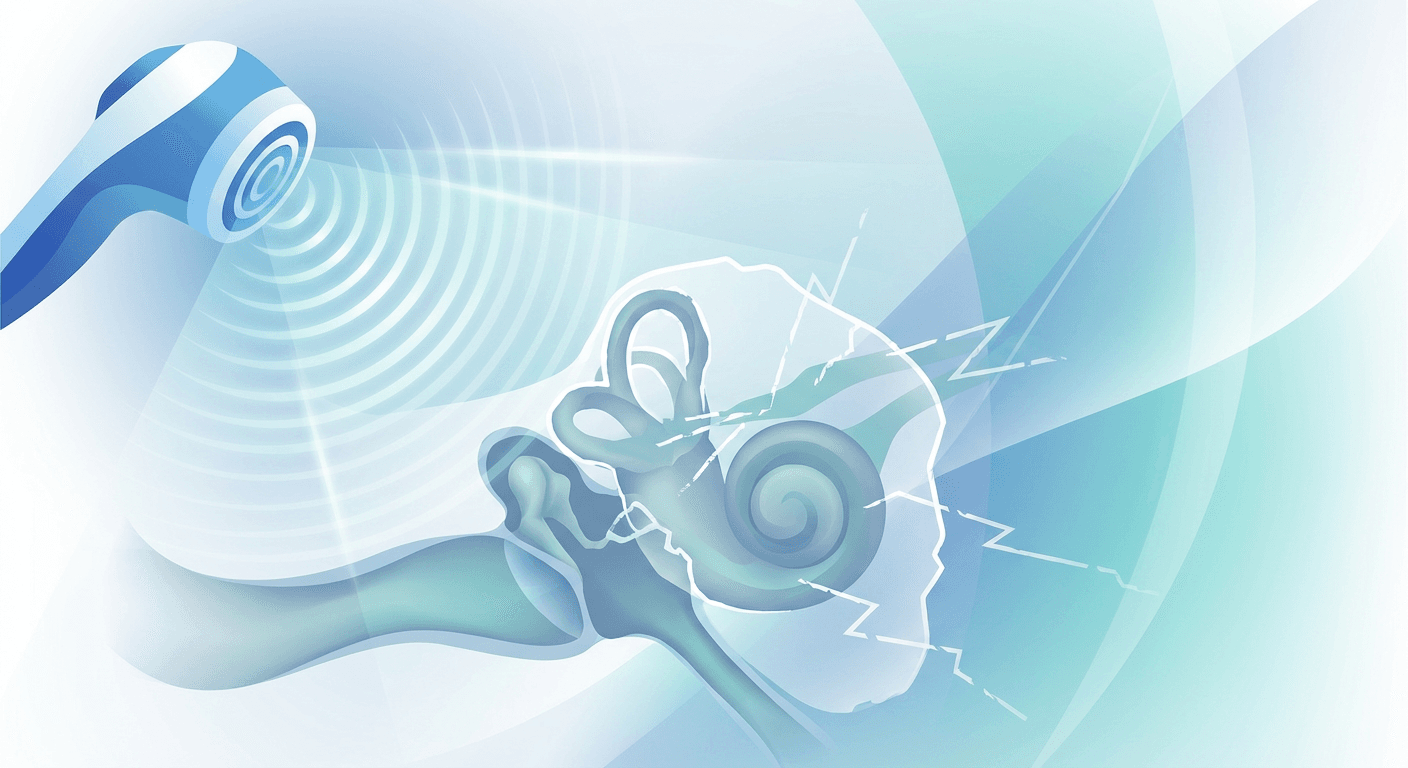
Radiation therapy can cause hearing changes in some people, especially when treatment targets areas near the ear, skull base, nasopharynx, sinonasal region, or brain. These changes may include fluid buildup and inflammation in the middle ear, tinnitus (ringing), and sensorineural hearing loss (inner ear damage), with risks influenced by total dose, field, and whether chemotherapy (such as cisplatin) is given at the same time. [1] Radiation directed at brain tumors can also contribute to hearing problems, and surgery on the hearing nerve may affect hearing. [2] When radiation involves the head and neck, side effects such as ear discomfort or fullness can occur, and careful dose planning aims to reduce these risks. [3] [4]
Why Hearing Loss Happens
- Middle ear effects (conductive loss): Radiation may inflame the Eustachian tube and middle ear, causing fluid buildup that dampens sound transmission; this is often temporary and may improve after therapy. [1]
- Inner ear effects (sensorineural loss): High doses near the cochlea can injure hair cells responsible for hearing, which can be longer‑lasting; combined radiation and ototoxic drugs raise the risk. [5] [6]
- Treatment area matters: Head and neck radiation commonly causes changes in nearby structures, and ear‑related symptoms can occur depending on field and dose. [3] [4]
Added Risk With Certain Chemotherapies
Cisplatin, a standard drug often used with radiation for head and neck cancers, is known to be “ototoxic” and can cause tinnitus and permanent high‑frequency hearing loss; monitoring with hearing tests is advised before and during treatment and for years after. [7] [5] Cisplatin‑related hearing issues may be more likely if a person has had prior or simultaneous cranial radiation. [5] Using cisplatin in head and neck cancer care requires close assessment for tinnitus and hearing loss at each cycle. [8]
Typical Timing and Course
Side effects from head and neck radiation often start around two weeks into therapy, may worsen through the course, and typically ease over 6–8 weeks after treatment; some late effects can persist or appear later. [9] Middle ear fluid and inflammation may settle once radiation ends, but inner ear damage may be slower to recover or remain. [1]
Signs and Symptoms to Watch For
- Ringing or buzzing (tinnitus). [8]
- Muffled sounds, ear fullness, or pain. [3] [4]
- Trouble hearing high‑pitched sounds or speech in noisy places. [5]
If you notice ear pain, fullness, or hearing changes during radiation, avoid inserting objects (like cotton swabs) into the ear canal and let your care team know. [10]
Prevention and Monitoring
- Precise radiation planning: Modern techniques and carefully controlled dosing aim to spare the ears and minimize side effects whenever possible. [1]
- Baseline and periodic audiograms: Hearing tests before treatment, during cisplatin therapy, and after completion help detect early changes. [5]
- Medication review: If cisplatin is planned, teams monitor for ototoxicity and may adjust dosing or timing based on symptoms and test results. [8] [5]
- Noise protection: Reducing exposure to loud sounds helps protect vulnerable hearing during and after therapy. [11]
Coping and Treatment Options
- Manage middle ear fluid/inflammation: Short‑term measures can include decongestants or nasal steroids when appropriate, and ENT evaluation; some cases may benefit from procedures to drain fluid. [1]
- Address tinnitus: Sound therapy, hearing aids with masking features, and cognitive behavioral strategies can lessen the impact of ringing. [12]
- Hearing aids and assistive devices: Audiologists provide tailored amplification, remote microphones, and communication strategies to improve daily function. [12]
- Rehabilitation services: Specialized speech and hearing teams offer comprehensive evaluation and therapy for treatment‑related hearing loss to improve quality of life. [13] [12]
- Long‑term follow‑up: Ototoxicity from cisplatin can be delayed, so continued audiometric monitoring is recommended for years after therapy. [5]
When to Seek Care
Report new or worsening ear pain, sudden hearing drop, persistent tinnitus, dizziness, or imbalance to your care team promptly; these symptoms can signal treatable issues like fluid accumulation or, less commonly, more serious inner ear effects. [3] [4] Coordinated care among radiation oncology, medical oncology, and audiology can help tailor prevention and rehabilitation plans. [13] [12]
Key Takeaways
- Radiation near ear structures can cause hearing changes, and the risk is higher when cisplatin is used concurrently. [1] [7]
- Monitoring with hearing tests and modern, targeted radiation techniques helps reduce and detect problems early. [1] [5]
- Effective coping strategies include ENT care for middle ear issues, audiology‑guided rehabilitation, hearing aids, and tinnitus management. [13] [12]
Related Questions
Related Articles


Sources
- 1.^abcdefgRadiation Therapy for Sinonasal Cancer(nyulangone.org)
- 2.^↑Brain tumor - Diagnosis and treatment(mayoclinic.org)
- 3.^abcdRadiation Therapy to Your Head and Neck(mskcc.org)
- 4.^abcdRadiation Therapy to Your Head and Neck(mskcc.org)
- 5.^abcdefghCISplatin Injection(For Intravenous Use)(dailymed.nlm.nih.gov)
- 6.^↑CISplatin Injection(dailymed.nlm.nih.gov)
- 7.^abRadiation Therapy for Head and Neck Cancer(mskcc.org)
- 8.^abc3836-Head and neck SCC recurrent or metastatic ciSplatin fluorouracil and pembrolizumab(eviq.org.au)
- 9.^↑Radiation Therapy to Your Head and Neck(mskcc.org)
- 10.^↑두경부 방사선 치료(mskcc.org)
- 11.^↑Noise-Induced Hearing Loss(cdc.gov)
- 12.^abcdeSpeech & Hearing Rehabilitation(mskcc.org)
- 13.^abcRehabilitation Services(mskcc.org)
Important Notice: This information is provided for educational purposes only and is not intended to replace professional medical advice, diagnosis, or treatment. Always consult with a qualified healthcare provider before making any medical decisions.