
 Persly Medical Team
Radiation therapy and frequent urination: causes and relief
Can Radiation Therapy Cause Frequent Urination, and How Can You Cope?
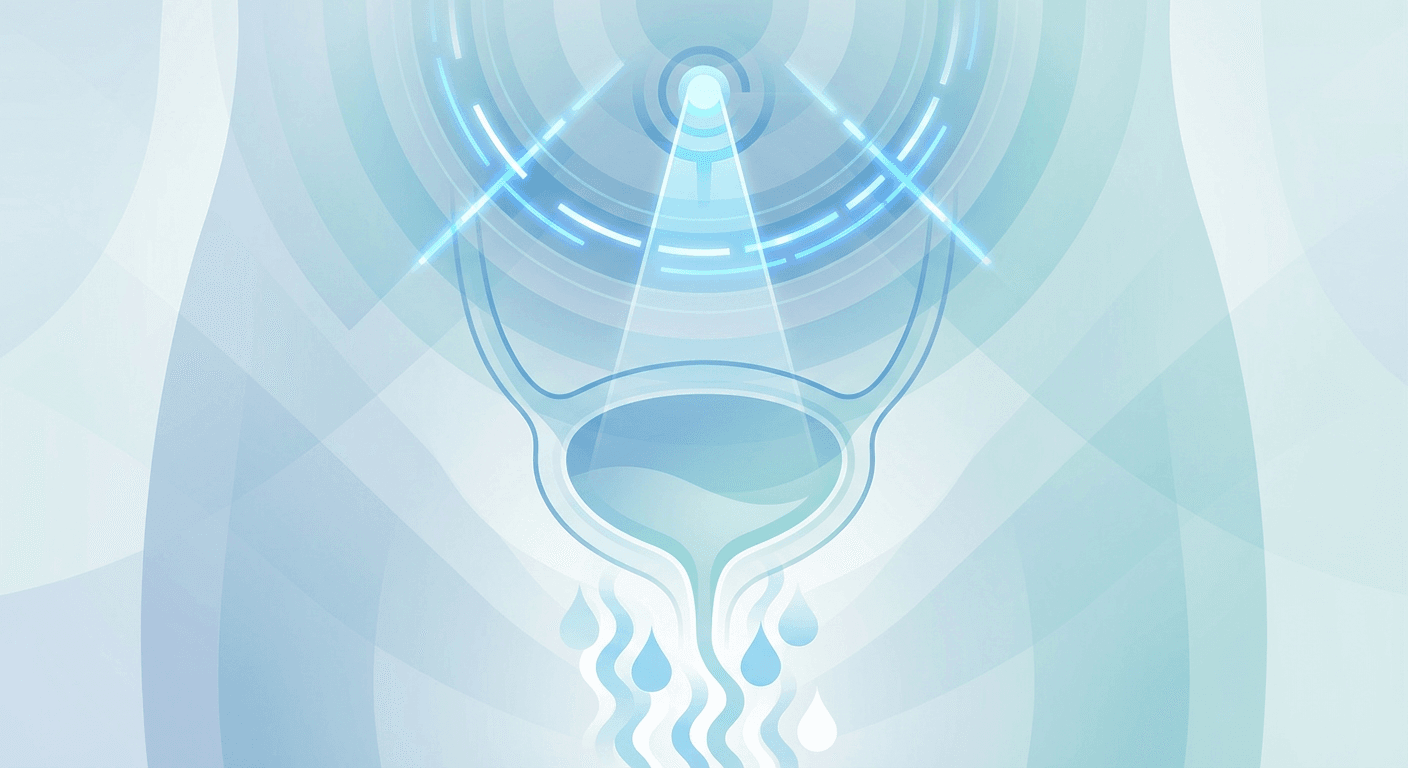
Yes. Frequent urination is a common short‑term side effect when radiation is directed to the pelvis (for cancers of the prostate, bladder, rectum, cervix, uterus, etc.), because radiation can irritate and inflame the bladder lining (radiation cystitis). [1] This irritation often leads to needing to pee more often, burning with urination, urgency, and waking at night to urinate. [2] Symptoms typically begin during treatment or within a few weeks of starting and often improve within a few months after finishing therapy. [3] In a subset of people, late bladder effects can arise months to years later, though this is less common. [4]
Why It Happens
- Radiation causes inflammation and temporary swelling in tissues exposed to the beam, including the bladder and urethra, which can trigger urinary frequency, urgency, and burning. [5]
- This cluster of symptoms is called radiation‑induced cystitis (inflammation of the bladder from radiation). [6]
- Acute symptoms generally occur during or soon after treatment and are usually self‑limited, resolving within about 3 months of completing radiation. [3]
Typical Symptoms to Watch For
- Urinating more often than usual (daytime and nighttime frequency). [5]
- Sudden urges to urinate and difficulty holding urine. [7]
- Burning or stinging when passing urine. [1]
- A weak stream, start‑and‑stop flow, or a sensation of incomplete emptying can also occur in some cases. [8]
If you notice fever, flank pain, inability to pass urine, or visible blood in the urine, contact your care team promptly, as these can require medical attention. [4]
Practical Coping Strategies
- Hydration: Drink enough fluids throughout the day to keep urine a light yellow; many centers suggest about 6–12 cups per day depending on your size and medical advice. [9] [1]
- Time fluids smartly: If nighttime trips are a problem, try limiting fluids a few hours before bed while keeping daytime intake adequate. [9]
- Avoid bladder irritants: Cut back on caffeine (coffee, tea, cola), alcohol, acidic drinks (citrus, tomato juice), carbonated beverages, hot peppers, and spicy foods, which can worsen urgency and burning. [9] [2]
- Gentle diet adjustments: If you notice certain foods trigger symptoms, reduce or avoid them during treatment and early recovery. [7]
- Urge suppression techniques: When you feel a sudden urge, try “freeze, breathe, release” pause, take slow breaths, relax your pelvic floor, then walk calmly to the bathroom. (This complements other measures your team may recommend.)
- Pelvic floor relaxation: Over‑clenching the pelvic floor can worsen urgency; a pelvic health therapist can teach relaxation and control strategies during treatment.
Medical Treatments That Can Help
- Your radiation team may recommend medications to ease urinary frequency, urgency, and burning (for example, bladder antispasmodics or urinary analgesics), tailored to your situation. [7]
- If there’s any concern for a urinary tract infection, they may check a urine sample and treat if needed. [10]
- Symptom monitoring is part of standard care during radiation; adjusting diet, fluids, and medications can meaningfully reduce discomfort. [7]
How Long Does It Last?
- Acute symptoms typically start during treatment or within a couple of weeks of starting and usually improve within weeks to about 3 months after therapy ends. [1] [3]
- Late effects can appear 6 months to many years later but are less common than acute symptoms. [3] [4]
When to Call Your Care Team
- Painful urination with fever or chills, inability to urinate, persistent or heavy blood in urine, severe pelvic pain, or symptoms that are worsening rather than stabilizing. [4]
- Even mild urinary changes are worth mentioning during weekly on‑treatment visits so your team can help early. [7]
Quick Reference: Self‑Care vs. Medical Help
- Self‑care: Adequate daytime fluids, limit evening fluids, avoid irritants (caffeine, alcohol, acidic/spicy foods), and use urge‑control techniques. [9] [2]
- Medical help: Ask about symptom‑relief medications and urine testing if burning is significant or persistent; report red‑flag symptoms promptly. [7] [10]
Outlook
Most people find that urinary frequency and urgency from pelvic radiation are manageable and gradually improve after treatment, especially with hydration strategies, avoiding bladder irritants, and timely use of symptom‑relief medications. [1] [3] With close communication, your care team can adjust your plan to keep you as comfortable and active as possible. [7]
Related Questions
Related Articles


Sources
- 1.^abcdeAbout Radiation Therapy to Your Pelvis(mskcc.org)
- 2.^abcAbout Radiation Therapy to Your Pelvis(mskcc.org)
- 3.^abcde1764-Radiation-induced cystitis | eviQ(eviq.org.au)
- 4.^abcd1764-Radiation-induced cystitis | eviQ(eviq.org.au)
- 5.^abRadiation Therapy for Prostate Cancer(mskcc.org)
- 6.^↑1764-Radiation-induced cystitis | eviQ(eviq.org.au)
- 7.^abcdefgRadiation Therapy for Prostate Cancer(mskcc.org)
- 8.^↑방사선요법3_설사, 비뇨생식기 변화 | 건강TV | 건강정보(amc.seoul.kr)
- 9.^abcdAbout Intensity-Modulated Radiation Therapy (IMRT) to Your Prostate(mskcc.org)
- 10.^ab4162-Bladder irritation (cystitis) during cancer treatment(eviq.org.au)
Important Notice: This information is provided for educational purposes only and is not intended to replace professional medical advice, diagnosis, or treatment. Always consult with a qualified healthcare provider before making any medical decisions.