
 Persly Medical Team
Can Immunotherapy Cause Anxiety and How to Cope
Can Immunotherapy Cause Anxiety and How to Cope
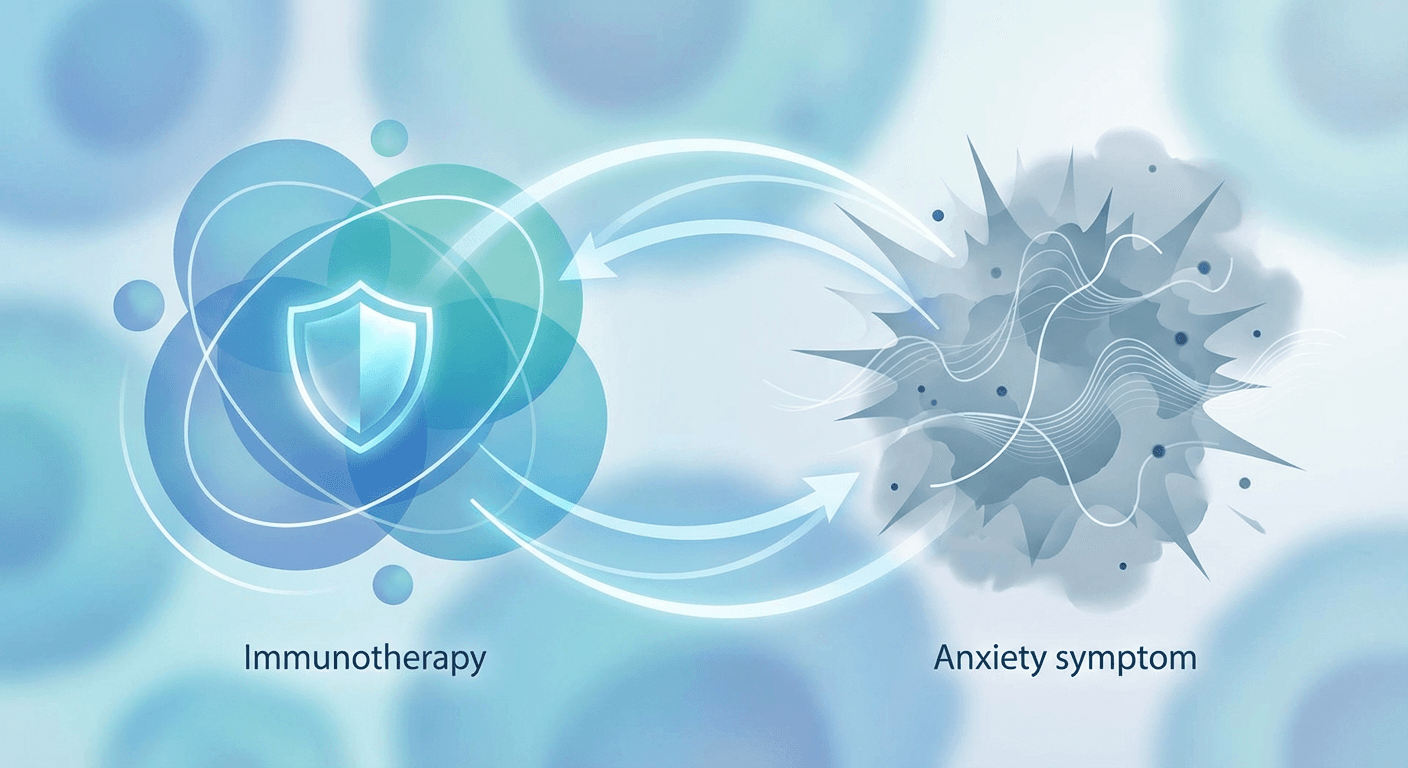
Immunotherapy can be associated with anxiety symptoms for some people, both as a normal emotional reaction to cancer care and, in certain cases, as a treatment side effect that affects mood or hormones. Mood changes, irritability, nervousness, and reduced interest can occur, and endocrine (hormone) issues like thyroid problems may contribute to anxiety-like symptoms. [1] [2] [3] [4]
How Anxiety Shows Up
- Trouble sleeping, loss of appetite, faster heart rate or higher blood pressure, mood swings, and repetitive worrying are common signs of “scanxiety” around tests and treatment. [5]
- Anxiety may also include nervousness, fatigue, and difficulties focusing, which can affect daily life and relationships. These reactions are common and vary over time during cancer treatment. [6] [7]
Why Immunotherapy Can Be Linked to Anxiety
- Immunotherapy can cause changes in mood or behavior, including irritability and forgetfulness, which some people experience as anxiety. These changes may be part of recognized side effects that need monitoring and reporting. [1]
- Certain immune-related endocrine effects (for example, thyroid, pituitary, or adrenal gland problems) can lead to symptoms such as fatigue, weight change, feeling cold, and mood changes; these can mimic or worsen anxiety. Regular blood tests often track thyroid function during drugs like nivolumab or combinations with ipilimumab. [1] [2] [3] [4]
- Rarely, neuropsychiatric immune-related events have been reported, including anxiety disorders, and may improve after stopping the checkpoint inhibitor. This suggests a potential immune-driven mechanism in unusual cases. [8]
When to Call Your Care Team
- If anxiety symptoms are new, worsening, or interfering with daily activities, tell your oncology team promptly, especially if you also notice fatigue, palpitations, feeling unusually cold or hot, weight changes, or headaches. These may indicate a hormone-related side effect that is treatable. [1]
- Care teams often monitor thyroid function during immunotherapy and can adjust treatment or add medicines (like hormone replacement or steroids) when needed. Early reporting helps prevent complications. [2] [3] [4]
Practical Coping Strategies
Everyday Techniques
- Breathing and grounding: Slow belly breathing (inhale 4, exhale 6) for a few minutes to calm a racing mind and heart. Short, repeated practices can lower immediate anxiety. [6]
- Routine and sleep: Keep a regular sleep schedule and limit caffeine and screens before bedtime to reduce insomnia and nighttime worry. Consistent habits can stabilize mood. [6]
- Movement: Gentle exercise, stretching, or walking supports sleep and mood without overexertion. Physical activity is a proven anxiety reducer. [6]
Mind–Body and Integrative Care
- Guided imagery, meditation, yoga, music therapy, and acupuncture may help ease anxiety during cancer treatment. Integrative services can complement medical care and are widely available. [9]
- Acupressure can be helpful, but check with your care team first if you have specific medical concerns. Personalized guidance ensures safety. [10]
Professional Support
- Counseling: Short-term cognitive and behavioral strategies can manage both “scanxiety” before tests and persistent worry between visits. Education and counseling are especially useful during immunotherapy, which may have delayed responses. [11]
- Social work programs offer individual counseling, support groups, and help with family communication and practical resources. These services can reduce stress and improve coping. [12]
- Medicines: If anxiety limits daily life, medications can be considered and tailored to your medical situation and immunotherapy plan. Discuss benefits and risks with your oncology team. [10]
Preparing for Scans and Appointments
- Expect some anxiety before scans or results; it’s a common, normal reaction. Recognizing it early helps you plan coping steps. [5] [6]
- Use a checklist: schedule calming activities the day before, arrange transport, pack comfort items (music, snacks if allowed), and set up a post-scan routine. Structured plans can ease anticipatory worry. [5]
- If repeated worrying or mood swings persist, ask your team about counseling or group support focused on scan-related anxiety. Targeted support improves quality of life and adherence to care. [6] [12]
Red Flags to Watch
- Severe insomnia, persistent rapid heart rate, marked mood swings, or inability to focus for days. These are signs to reach out for prompt help. [5]
- New headaches that won’t go away, dizziness or fainting, or significant weight changes while on immunotherapy. These can signal endocrine side effects that need evaluation. [1]
- Depressed mood with hopelessness, panic attacks, or thoughts of self-harm. Urgent medical review is needed; your team is on call to help. [6]
Bottom Line
Immunotherapy can be linked to anxiety through mood effects and hormone-related side effects, and many people also experience normal treatment-related worry like scanxiety. The good news is that anxiety is manageable: report symptoms early, consider labs for endocrine causes, and use a mix of self-care, integrative therapies, counseling, and when needed medications to feel better. [1] [5] [6] [2] [3] [4] [12] [10] [9] [11]
Related Questions
Related Articles


Sources
- 1.^abcdefManaging Your Immunotherapy Side Effects(mskcc.org)
- 2.^abcdPatient information - Melanoma metastatic - Ipilimumab and nivolumab(eviq.org.au)
- 3.^abcdPatient information - Metastatic - Nivolumab maintenance (weight based dosing)(eviq.org.au)
- 4.^abcdPatient information - Advanced or metastatic - Nivolumab - weight based dosing(eviq.org.au)
- 5.^abcdeManaging Scanxiety During Your Cancer Treatment(mskcc.org)
- 6.^abcdefghManaging Anxiety(mskcc.org)
- 7.^↑Managing Anxiety(mskcc.org)
- 8.^↑Neuropsychiatric Immune-related Adverse Events Induced by Pembrolizumab in a Patient with Lung Adenocarcinoma and Systemic Lupus Erythematosus.(pubmed.ncbi.nlm.nih.gov)
- 9.^abManaging Anxiety(mskcc.org)
- 10.^abcManaging Anxiety(mskcc.org)
- 11.^abThe Psychological Challenges of Surviving Melanoma(mskcc.org)
- 12.^abcManaging Anxiety(mskcc.org)
Important Notice: This information is provided for educational purposes only and is not intended to replace professional medical advice, diagnosis, or treatment. Always consult with a qualified healthcare provider before making any medical decisions.