
 Persly Medical Team
Chemotherapy and Frequent Urination: Causes & Relief
Key Takeaway:
Chemotherapy and Frequent Urination: What to Expect and How to Cope
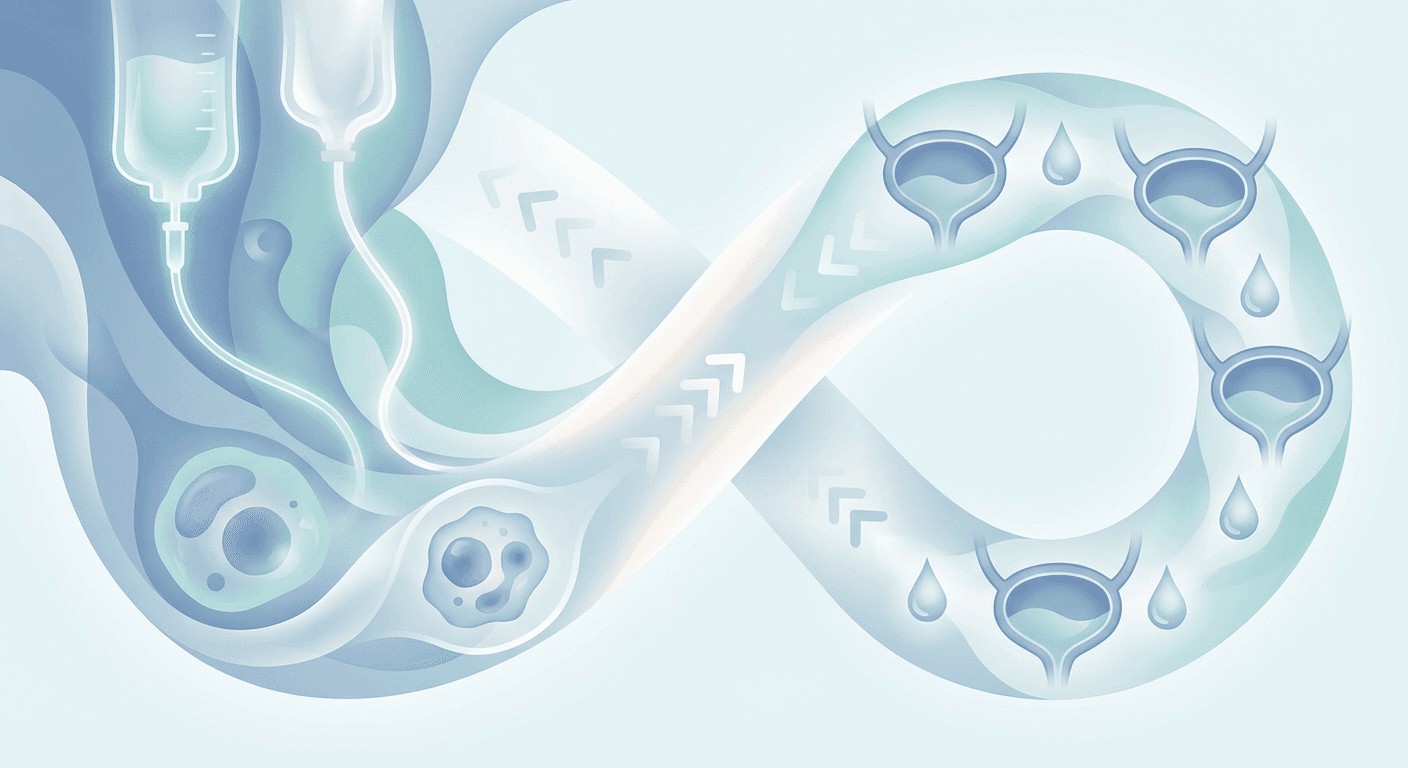
Some chemotherapy medicines can irritate the bladder and lead to urinary urgency (needing to pee more often or right away), burning with urination, or even blood in the urine. [1] These urination changes may reflect bladder irritation (cystitis) or, sometimes, a urinary infection that needs medical attention. [2]
Why Chemotherapy Can Affect Urination
- Bladder irritation from chemo: Certain drugs can inflame the bladder lining, triggering urgency, burning, and sometimes visible blood in urine. [1] These symptoms can overlap with infection and deserve prompt evaluation. [2]
- Specific agents and protection: Some chemotherapy regimens (for example ifosfamide) are well known to cause hemorrhagic cystitis, and a protective medicine called mesna is routinely given to lower this risk. [3] Mesna reduces the incidence of ifosfamide‑induced bladder bleeding by detoxifying harmful metabolites in the urine. [4]
- Other treatment factors: Broader chemo side‑effect lists include urination changes among common issues patients may notice during treatment. [5]
When to Call Your Care Team
- Urgency, burning, or blood in urine: These can be signs of bladder irritation or infection and should be reported; your team may check a urine sample. [1] Quick assessment helps rule out infection and guides supportive care. [2]
- Worsening pain, fever, or inability to urinate: These are concerning and warrant same‑day contact and evaluation to prevent complications. [6]
Practical Coping Strategies
- Hydration (steady, not excessive): Sip water regularly through the day to dilute urine and reduce stinging; avoid overhydration if you’ve been told to restrict fluids. [6] Consistent hydration helps flush irritants from the bladder. [6]
- Avoid bladder irritants: Limit caffeine, alcohol, carbonated drinks, and spicy or acidic foods if they worsen symptoms. [6] Simple dietary changes can ease urgency and burning for many people. [6]
- Timed voiding: Try scheduled bathroom trips (e.g., every 2–3 hours) to reduce urgency episodes and leakage. [6]
- Warmth and comfort: A warm compress or heat pack over the lower abdomen can ease bladder cramping and discomfort. [6]
- Perineal care: Gently cleanse after urination and consider unscented products to avoid further irritation. [6] Fragrance‑free, alcohol‑free wipes may be more comfortable. [6]
- Record symptoms: Note frequency, burning, color changes, fever, or back pain; share with your team to guide testing and treatment. [2]
Medical Management Options
- Urine testing: If you have urgency, burning, or blood, your team may request a urine sample to check for infection and blood. [2] Treating confirmed infections can quickly improve symptoms. [2]
- Mesna with certain regimens: If you’re receiving ifosfamide, mesna is typically used to prevent hemorrhagic cystitis; dosing is aligned with chemo timing. [3] Mesna significantly lowers the chance of bladder bleeding compared with hydration alone. [4]
- Symptom‑targeted therapies: Depending on findings, clinicians may use bladder‑soothing measures, adjust chemotherapy, or add medications for pain and urgency. [6]
Red Flags Requiring Prompt Care
- Visible blood in urine (pink, red, or brown). [1]
- Burning that persists or worsens, especially with fever or chills. [2]
- Lower back or flank pain (possible kidney involvement). [6]
- Inability to pass urine or severe pelvic pain. [6]
Key Takeaways
- Frequent urination can be a chemo side effect, commonly due to bladder irritation; it is important to rule out infection. [1] Early reporting allows simple tests and timely treatment. [2]
- Supportive steps steady hydration, avoiding bladder irritants, timed voiding, warmth, and gentle hygiene often help. [6]
- Specific protection exists for certain drugs: Mesna is standard with ifosfamide to prevent hemorrhagic cystitis. [3] This approach substantially reduces bladder bleeding risk. [4]
Related Questions
Related Articles


Sources
- 1.^abcdeTreatment for Advanced Breast Cancer(mskcc.org)
- 2.^abcdefghAdjuvant Therapy for Breast Cancer: What It Is, How To Manage Side Effects, and Answers to Common Questions(mskcc.org)
- 3.^abcThese highlights do not include all the information needed to use mesna safely and effectively. See full prescribing information for mesna. MESNEX (mesna) tablets, for oral use Mesna injection, for intravenous useInitial U.S. Approval: 1988(dailymed.nlm.nih.gov)
- 4.^abcThese highlights do not include all the information needed to use mesna safely and effectively. See full prescribing information for mesna. MESNEX (mesna) tablets, for oral use Mesna injection, for intravenous use Initial U.S. Approval: 1988(dailymed.nlm.nih.gov)
- 5.^↑Side Effects of Chemotherapy(mskcc.org)
- 6.^abcdefghijklm4162-Bladder irritation (cystitis) during cancer treatment(eviq.org.au)
Important Notice: This information is provided for educational purposes only and is not intended to replace professional medical advice, diagnosis, or treatment. Always consult with a qualified healthcare provider before making any medical decisions.