

 Persly Medical Team
Can aspirin cause tremor? Side effects and coping tips
Key Takeaway:
Can Aspirin Cause Tremor? Side Effects and Coping Tips
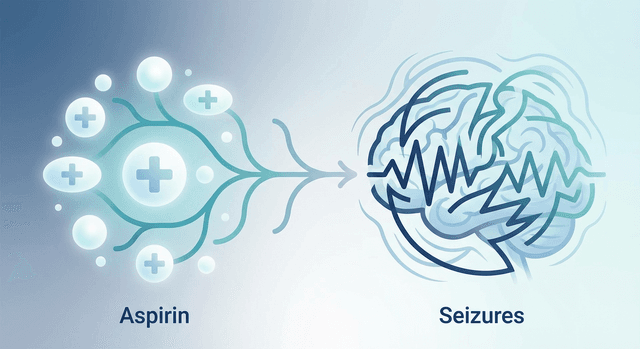
Aspirin can be associated with tremor, but this appears to be uncommon and usually linked to higher doses, toxicity (salicylate toxicity), or drug interactions rather than typical low-dose use. [1] Tremor is listed among neurological symptoms that can occur with aspirin side effects, especially when serious adverse effects develop. [2]
How Aspirin Might Lead to Tremor
- Direct neurologic side effect (rare): Uncontrollable shaking of part of the body is noted among serious symptoms that warrant urgent medical attention. [2]
- Salicylate toxicity: At high doses or overdose, salicylates can produce a constellation of symptoms (nausea, vomiting, hyperpnea, confusion; severe cases can progress to seizures), and neurologic manifestations may include restlessness and agitation that can accompany tremor. [3] [4] Severe intoxication requires medical care to correct fluid and acid–base disturbances and enhance elimination. [4]
- Drug interactions: Aspirin can raise free (active) levels of certain drugs like valproate, precipitating toxicity that may include neurologic symptoms; stopping aspirin resolved symptoms in reported cases. [5]
When to Seek Medical Care
- Urgent symptoms: If tremor occurs with confusion, dizziness, fast heartbeat, restlessness, hallucinations, seizures, or reduced urination, you should seek immediate care. These may signal a serious reaction or toxicity. [1] [2]
- Allergic features: If tremor accompanies hives, facial swelling, wheezing, or rash, treat this as a possible severe allergic reaction and get emergency help. [1]
Practical Coping Steps
- Check dose and formulation: Review how much aspirin you’re taking and why. Higher doses and multiple daily doses raise risk for side effects. [1] If you’re using aspirin for heart protection, typical low-dose regimens (often 81 mg) are less likely to cause neurologic symptoms than analgesic-level doses.
- Avoid duplicate NSAIDs: Do not combine aspirin with other nonsteroidal anti-inflammatory drugs (NSAIDs) unless advised, as this increases adverse effect risk (including bleeding and systemic toxicity). [6] [7]
- Assess other medications: If you take valproate (for seizures or mood) or other drugs with significant protein binding, an interaction with aspirin may increase active drug levels and provoke neurologic side effects; discussing dose adjustments or alternatives can help. [5]
- Hydration and timing: Maintain good hydration and avoid taking aspirin on an empty stomach if you use it for pain, as this may reduce some side effects and improve tolerability. [1]
- Monitor symptoms: Track onset, duration, and triggers of tremor. If tremor started after increasing aspirin or adding a new medication, share this timeline with your clinician. [1]
- Consider pausing and medical review: If tremor is persistent or bothersome, contact a clinician to review whether aspirin should be reduced or switched; do not stop prescribed antiplatelet therapy for heart/stroke protection without medical guidance. [1]
Who Is at Higher Risk
- Older age, history of ulcers/bleeding, anticoagulants/steroids, multiple NSAIDs, heavy alcohol use: These factors increase risk of severe side effects from aspirin use. While focused on bleeding risk, overall adverse event risk rises with these factors. [6] [7]
- Children/teens with viral illnesses: Aspirin should be avoided due to the risk of Reye’s syndrome, a rare but serious condition. [8]
What Clinicians May Do
- Evaluate for toxicity: If symptoms suggest salicylate toxicity, clinicians may obtain salicylate levels and manage fluids, electrolytes, and acid–base status; in significant cases, urinary alkalinization can enhance elimination. There is no specific antidote; treatment is supportive. [4] [3]
- Review drug interactions: They may adjust interacting medications (e.g., valproate) or switch antiplatelet/analgesic strategy if aspirin is implicated. Symptoms often resolve after stopping aspirin in interaction-related cases. [5]
Bottom Line
- Tremor from aspirin is possible but uncommon, and more likely with high doses, toxicity, or interactions. [2] [3]
- Any new or worsening tremor especially with other neurologic or systemic symptoms should prompt medical review to ensure safety and to adjust therapy if needed. [1] [2]
Frequently Asked Questions
- Is low-dose aspirin for heart protection likely to cause tremor? Low-dose use is generally well tolerated, and tremor is not a common complaint at these doses; however, individual responses vary, and new tremor should still be assessed. [1]
- Can I switch to another pain reliever? Alternatives may be appropriate depending on your medical history (e.g., bleeding risk, heart disease). Do not change prescribed antiplatelet therapy without medical advice. [1] [7]
If you need help reviewing your medications or symptoms, you can reach support here: https://persly.channel.io
Related Questions
Related Articles


Sources
- 1.^abcdefghijAspirin: MedlinePlus Drug Information(medlineplus.gov)
- 2.^abcdeAspirin: MedlinePlus Drug Information(medlineplus.gov)
- 3.^abcHELIDAC THERAPY- bismuth subsalicylate chewable tablets/metronidazole tablets/tetracycline hydrochloride capsules kit(dailymed.nlm.nih.gov)
- 4.^abcHELIDAC THERAPY- bismuth subsalicylate chewable tablets/metronidazole tablets/tetracycline hydrochloride capsules kit(dailymed.nlm.nih.gov)
- 5.^abcClinical valproate toxicity induced by acetylsalicylic acid.(pubmed.ncbi.nlm.nih.gov)
- 6.^abAspirin(dailymed.nlm.nih.gov)
- 7.^abcDailyMed - ASPIRIN tablet(dailymed.nlm.nih.gov)
- 8.^↑DailyMed - ASPIRIN tablet, coated(dailymed.nlm.nih.gov)
Important Notice: This information is provided for educational purposes only and is not intended to replace professional medical advice, diagnosis, or treatment. Always consult with a qualified healthcare provider before making any medical decisions.