

 Persly Medical Team
Can aspirin cause numbness and how to manage it
Aspirin and Numbness: What to Know and How to Cope
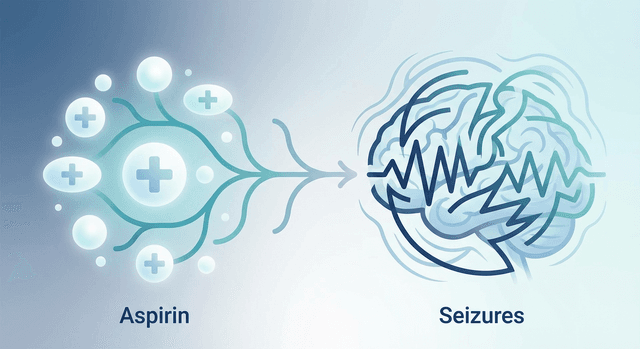
Yes numbness or tingling (paresthesia) has been reported as a possible side effect of aspirin, although it appears to be uncommon. Product information lists numbness or tingling of the hands, feet, or lips among adverse effects that may require medical attention. [1] Numbness can be part of a broader side‑effect pattern including nervousness, rapid breathing, seizures, or unusual weakness, which may signal more significant toxicity and warrants prompt evaluation. [2] Some side effects have an “incidence not known,” meaning they are documented but not precisely quantified, and you should check with a clinician if they persist or worsen. [3]
How Aspirin Might Lead to Numbness
- Direct side effect (paresthesia): Aspirin labeling includes numbness/tingling as a potential neurological symptom. [1]
- Salicylate toxicity: At high doses or with reduced clearance (e.g., kidney impairment), aspirin can cause neurological symptoms alongside other signs (e.g., rapid breathing, confusion, seizures), and this pattern needs urgent care. [2] [3]
- Electrolyte issues with combinations: Certain aspirin combination products (e.g., aspirin‑omeprazole) warn about neurologic symptoms like paresthesia and dizziness when magnesium is low, especially with long‑term use of the proton pump inhibitor component; seek evaluation if you notice such symptoms. [4] [5]
When to Seek Medical Care
- Urgent signs: Numbness with any of the following suggests you should seek immediate medical help: rapid, deep breathing, confusion, seizures, unusual bleeding/bruising, severe weakness, swelling, or vomiting blood/black stools. [6] [2]
- Persistent or worsening numbness: If tingling or numbness does not resolve or keeps coming back, discuss it with your clinician to rule out dose‑related effects, interactions, or other causes. [3]
- New neurological deficits: Sudden one‑sided weakness, severe headache, trouble speaking, or facial droop require emergency evaluation; while uncommon with aspirin itself, these symptoms can indicate other urgent conditions.
Practical Coping Strategies
- Review dose and timing: Use the lowest effective dose and avoid exceeding label or prescriber guidance; higher doses raise risk of side effects. [3]
- Pause and reassess: If numbness appears after starting or increasing aspirin, consider holding further doses until you speak with a clinician, especially if symptoms are pronounced. [6]
- Check other medicines: Proton pump inhibitors (e.g., omeprazole in combination products) may contribute to low magnesium and paresthesia; a clinician may order labs or adjust therapy. [4] [5]
- Hydration and nutrition: Maintain good hydration and balanced electrolytes; although not a cure, this can help mitigate contributing factors when safe for you. [3]
- Symptom tracking: Note onset, location (hands/feet/lips), intensity, duration, and associated symptoms (e.g., dizziness, rapid breathing) to share with your clinician. [3]
Safer Use and Alternatives
- Risk assessment: People with kidney problems, older adults, and those taking other blood‑thinners may be more vulnerable to adverse effects; individualized dosing is helpful. [6]
- Alternative pain relievers: If aspirin triggers numbness, a clinician may suggest other options depending on your health profile (e.g., acetaminophen), recognizing each medicine has its own risks and benefits. [3]
- Protect your stomach: If you need long‑term antiplatelet therapy, your clinician may consider gastro‑protective strategies; monitor for unusual symptoms when using combination products. [4] [5]
Red Flags to Monitor
- Unusual bleeding or bruising: Aspirin affects platelets and can increase bleeding risk; report black tarry stools, vomiting blood, or unexpected bruising. [6]
- Systemic weakness or heaviness of legs: While not specific, these symptoms are listed among adverse effects and merit evaluation if persistent. [7]
- Progressive neurological symptoms: Worsening tingling, spreading numbness, or new motor weakness should prompt timely assessment. [3]
Summary Table: Numbness With Aspirin
| Topic | Key Points |
|---|---|
| Is numbness possible? | Yes, numbness/tingling is a listed adverse effect; incidence not well defined. [1] [3] |
| Serious warning signs | Rapid deep breathing, seizures, confusion, unusual bleeding/bruising, black stools, severe weakness. [6] [2] |
| Contributing factors | High dose/toxicity, drug combinations (e.g., omeprazole component causing low magnesium), kidney issues. [4] [5] |
| What to do | Use lowest effective dose, hold and call clinician if symptoms persist/worsen, review other meds, track symptoms. [3] [6] |
Bottom Line
Aspirin can be associated with numbness or tingling, though it seems uncommon; any persistent, worsening, or concerning symptoms should be discussed with a clinician, especially if accompanied by other warning signs. [1] [3] If you notice numbness after taking aspirin, it can be reasonable to pause the medication and seek guidance on dose adjustments, alternative pain options, and evaluation for interactions or electrolyte issues. [6] [4]
Related Questions
Related Articles


Sources
- 1.^abcdAspirin (oral route) - Side effects & dosage(mayoclinic.org)
- 2.^abcdAspirin (oral route) - Side effects & dosage(mayoclinic.org)
- 3.^abcdefghijkAspirin (oral route) - Side effects & dosage(mayoclinic.org)
- 4.^abcdeASPIRIN AND OMEPRAZOLE DELAYED-RELEASE TAB- aspirin and omeprazole tablet, film coated(dailymed.nlm.nih.gov)
- 5.^abcdASPIRIN AND OMEPRAZOLE DELAYED-RELEASE TAB- aspirin and omeprazole tablet, film coated(dailymed.nlm.nih.gov)
- 6.^abcdefgAspirin (oral route) - Side effects & dosage(mayoclinic.org)
- 7.^↑Aspirin (oral route) - Side effects & dosage(mayoclinic.org)
Important Notice: This information is provided for educational purposes only and is not intended to replace professional medical advice, diagnosis, or treatment. Always consult with a qualified healthcare provider before making any medical decisions.