

 Persly Medical Team
Aspirin and Night Sweats: Possible Link and Relief
Can Aspirin cause night sweats as a side effect?
Aspirin does not commonly list night sweats as a typical side effect, and standard references focus on gastrointestinal symptoms, bleeding risks, allergic reactions, and signs of overdose or toxicity rather than sweating at night. [1] While aspirin can cause fever changes, rapid breathing, and unusual tiredness in more serious scenarios, night sweats specifically are not highlighted among the routine side effects. [2] [3]
What aspirin usually causes
- Common issues: Nausea, vomiting, stomach pain, and heartburn are among the most frequently reported problems. [1]
- Serious warnings: Aspirin (an NSAID) can increase the risk of stomach bleeding, especially in older adults or those using blood thinners or steroids. Seek urgent help for black stools, vomiting blood, or severe stomach pain. [4]
- Allergic reactions: Hives, facial swelling, wheezing, or difficulty breathing can occur and need immediate medical care. [1]
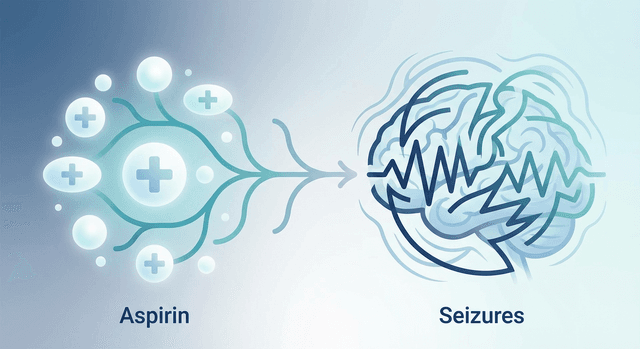
- Overdose/toxicity signs: Rapid deep breathing, nervousness, seizures, and marked weakness can signify salicylate toxicity rather than a simple side effect. [2] [3]
Could night sweats still happen?
Night sweats are not a standard, well-documented aspirin side effect, so they would be considered uncommon or incidental if they occur. [1] If sweating at night appears after starting aspirin, consider other explanations such as fever from an infection, hormonal changes (e.g., menopause), anxiety, alcohol, other medications, or environmental factors. If night sweats are accompanied by fever, chest pain, shortness of breath, or weight loss, seek medical evaluation. [1]
Practical coping steps
- Check dose and timing: Use the lowest effective dose and avoid unnecessary night doses to see if symptoms ease. [1]
- Avoid triggers: Limit alcohol, caffeine, and spicy foods in the evening; these can worsen sweating for some people. [1]
- Cool sleep environment: Keep the room cool, use breathable bedding, and consider moisture‑wicking sleepwear. [1]
- Hydration and nutrition: Rehydrate after sweaty nights and keep balanced meals to avoid nighttime hypoglycemia, which can sometimes provoke sweating. [1]
- Review other meds: Some drugs are more linked to sweating than aspirin; a medication review can help pinpoint the cause. [1]
- Monitor for red flags: New rash, wheezing, swelling of the face or throat, black stools, or vomiting blood need urgent care. Stop aspirin and seek help if these appear. [1] [4]
When to contact a clinician
- Persistent or worsening night sweats over several nights without a clear cause are worth discussing with a clinician, especially if you recently started or changed aspirin dosing. [1]
- Concerning symptoms like fever, unexplained weight loss, chest pain, breathing problems, or signs of bleeding should prompt timely evaluation. [1] [4]
- History of ulcers or anticoagulant use increases bleeding risk; talk with your clinician about whether aspirin is appropriate and about safer alternatives. [4]
Alternatives and adjustments
- Pain relief options: Depending on your health profile, alternatives like acetaminophen may be considered for pain/fever reduction if aspirin is suspected to aggravate symptoms, but this should be tailored by a clinician. [1]
- Cardiovascular use: If you take low‑dose aspirin for heart protection, do not stop abruptly without medical guidance; discuss symptoms and possible adjustments. [1]
Bottom line
- Night sweats are not a typical, clearly documented aspirin side effect, and other causes are more likely. [1]
- Focus on practical measures, monitor for warning signs, and speak with a clinician if night sweats persist or are accompanied by other symptoms to ensure aspirin remains safe for you. [1] [4]
Related Questions
Related Articles


Sources
Important Notice: This information is provided for educational purposes only and is not intended to replace professional medical advice, diagnosis, or treatment. Always consult with a qualified healthcare provider before making any medical decisions.