
 Persly Medical Team
Can aspirin cause depression and how to cope
Can Aspirin Cause Depression Symptom as a Side Effect?
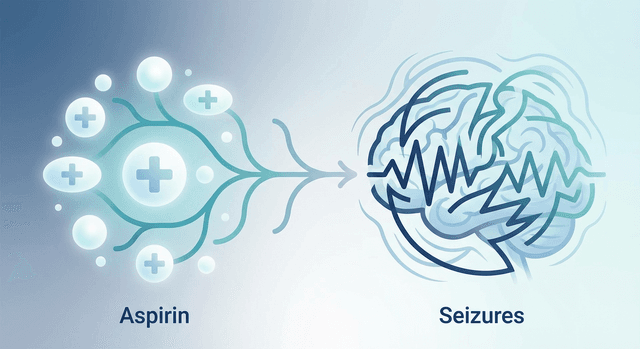
Short answer: Depression is not a typical side effect of standard aspirin use, and mood depression is considered uncommon. [1] However, aspirin can cause neurological or behavioral symptoms in overdose or sensitivity (such as confusion, irritability, restlessness, abnormally excited mood, or hallucinations), which can impact overall mental wellness. [2] In special combination products (aspirin with omeprazole), “depression” has been listed among reported nervous system and sleep-related adverse effects, although this is not typical of aspirin alone. [3] [4]
What We Know About Aspirin and Mood
- Typical side-effect profile: Common aspirin risks center on stomach irritation, ulcers, and bleeding rather than mood changes. [1] [5]
- Neurobehavioral symptoms in toxicity: With high doses or overdose, people can develop confusion, irritability, restlessness, dizziness, and altered consciousness, which can feel like or worsen emotional distress. [2]
- Combination products: In the combined aspirin–omeprazole delayed‑release tablet labeling, nervous system and sleep disturbances include depression, agitation, anxiety, and other symptoms; this does not mean aspirin alone commonly causes depression but reminds us that product formulations and co‑medications matter. [3] [4]
Bottom line: Depression is not a well-established routine adverse effect of aspirin alone, but mood-related symptoms can appear in the context of toxicity, sensitive individuals, or certain combination products. [1] [2] [3] [4]
When to Seek Medical Advice
- New or worsening mental symptoms: If you notice persistent low mood, unusual anxiety, confusion, agitation, or hallucinations while taking aspirin, it’s reasonable to speak with a clinician to reassess your regimen. [2]
- Urgent safety signs: Seek urgent help for stomach bleeding signs (black stools, vomiting blood, faintness, severe stomach pain) or sudden new symptoms while using aspirin. [6] [7] [8] [9] [10]
- Ringing in the ears or hearing changes: These can signal salicylate excess; contact a clinician promptly. [6] [7] [8] [9] [10]
Practical Ways to Cope if You Suspect Mood Effects
- Check your dose and duration: Make sure you’re using the lowest effective dose and not exceeding recommended duration without medical guidance. This reduces overall side‑effect risk. [5] [11] [12]
- Review all medicines and supplements: Some combinations (for example, multiple NSAIDs, blood thinners, steroids) raise risk of adverse effects; a medication review can uncover contributors. [5] [11]
- Assess for toxicity signs: Tinnitus, confusion, restlessness, and dizziness can signal salicylate excess; if present, stop aspirin and seek advice. [2] [6]
- Consider gut protection and alternatives: If aspirin is needed for heart protection but causes issues, clinicians sometimes adjust dose, add protective strategies, or consider alternative antiplatelet agents; decisions are individualized. [11] [12]
- Support mental health: Gentle lifestyle strategies regular activity, sleep hygiene, relaxation techniques can help mood while medical causes are addressed. [13] [14]
- Shared decision‑making: Discuss risks and benefits with your clinician; never stop prescribed low‑dose aspirin for heart protection without medical input, as the cardiovascular benefits may outweigh side‑effect concerns. [11] [12]
Who Is at Higher Risk
- Older adults and those with ulcer history: Higher risk for stomach bleeding and complications, which can indirectly worsen well‑being. Careful dosing and monitoring are important. [5]
- People using multiple interacting drugs: Blood thinners, steroids, or other NSAIDs increase bleeding risk and overall adverse effects. [5] [11]
- Individuals with overdose or sensitivity: Neurobehavioral symptoms are more likely at toxic doses; prompt medical care is needed. [2]
Key Takeaways
- Depression is not a common, established side effect of aspirin on its own, but neurobehavioral symptoms can occur in overdose or in certain combination products. [1] [2] [3] [4]
- If mood changes arise while using aspirin, review your dose, check for toxicity signs, evaluate other medications, and talk with a clinician to tailor a safe plan. [5] [2] [11] [12]
- Seek urgent care for any signs of bleeding, severe stomach pain, or new serious symptoms. [6] [7] [8] [9] [10]
References
- Aspirin oral route: side effects and precautions. [1]
- Aspirin labeling (DailyMed) with bleeding warnings and risk factors. [5]
- Aspirin consumer drug information including neurobehavioral toxicity signs. [2]
- NSAID safety guidance and general information. [11] [12]
- Aspirin–omeprazole product information listing depression among nervous system disturbances. [3] [4]
궁금한 점 있으면 언제든 퍼슬리에 물어보세요
Related Questions
Related Articles


Sources
- 1.^abcdeAspirin (oral route) - Side effects & dosage(mayoclinic.org)
- 2.^abcdefghiAspirin: MedlinePlus Drug Information(medlineplus.gov)
- 3.^abcdeASPIRIN AND OMEPRAZOLE DELAYED-RELEASE TAB- aspirin and omeprazole tablet, film coated(dailymed.nlm.nih.gov)
- 4.^abcdeASPIRIN AND OMEPRAZOLE DELAYED-RELEASE TAB- aspirin and omeprazole tablet, film coated(dailymed.nlm.nih.gov)
- 5.^abcdefgAspirin(dailymed.nlm.nih.gov)
- 6.^abcdAspirin(dailymed.nlm.nih.gov)
- 7.^abcASPIRIN LOW DOSE- aspirin tablet, film coated(dailymed.nlm.nih.gov)
- 8.^abcASPIRIN LOW DOSE- aspirin tablet, film coated(dailymed.nlm.nih.gov)
- 9.^abcASPIRIN LOW DOSE- aspirin tablet, film coated(dailymed.nlm.nih.gov)
- 10.^abcASPIRIN LOW DOSE- aspirin tablet, film coated(dailymed.nlm.nih.gov)
- 11.^abcdefg(dailymed.nlm.nih.gov)
- 12.^abcde(dailymed.nlm.nih.gov)
- 13.^↑Persistent depressive disorder - Diagnosis and treatment(mayoclinic.org)
- 14.^↑Strategies to Prevent Worsening of Symptoms(cdc.gov)
Important Notice: This information is provided for educational purposes only and is not intended to replace professional medical advice, diagnosis, or treatment. Always consult with a qualified healthcare provider before making any medical decisions.