

 Persly Medical Team
Can aspirin cause anxiety and how to cope
Can aspirin cause anxiety and how to cope
Aspirin can, in rare cases, be associated with anxiety-like symptoms such as nervousness, restlessness, or panic, especially at higher doses or in sensitivity reactions. [1] Some combination products containing aspirin have listed psychiatric effects including anxiety, confusion, and insomnia, although these lists reflect post‑marketing reports rather than common outcomes. [2] [3] For most people taking low‑dose aspirin, anxiety as a direct side effect seems uncommon, but it can occur and deserves attention if you notice new or worsening symptoms after starting aspirin. [1] [2]
What the evidence shows
- Listed adverse effects: Authoritative drug references include “nervousness,” “restlessness,” and “panic” among potential aspirin side effects, suggesting anxiety‑like reactions can occur, usually infrequently. [1]
- Combination products: Aspirin paired with omeprazole has reported psychiatric disturbances including anxiety and insomnia in safety summaries, indicating that some users may experience neuropsychiatric symptoms, though these are not the most common adverse events. [2] [3]
- Allergy/sensitivity context: People with aspirin sensitivity (often overlapping with NSAID sensitivity) can have reactions that include respiratory symptoms and systemic effects; while classic allergy signs are more typical, distress or heightened arousal can accompany acute reactions. [4]
- Not routine in standard monographs: Major consumer drug summaries emphasize gastrointestinal, bleeding, and allergic reactions as primary risks; anxiety is not highlighted as a typical side effect, underscoring its rarity. [5] [6]
Possible reasons anxiety may appear
- High doses or toxicity: At elevated doses, salicylates can affect the central nervous system, leading to symptoms like restlessness or rapid breathing that may feel like anxiety. [1]
- Individual sensitivity: Some individuals have unique responses to NSAIDs; if you have a history of sensitivity or asthma linked to aspirin, atypical symptoms may be more likely. [4]
- Drug interactions and combos: Products combining aspirin with other agents (e.g., omeprazole) list broader neuropsychiatric complaints; the overall regimen rather than aspirin alone may contribute. [2] [3]
Warning signs that need prompt care
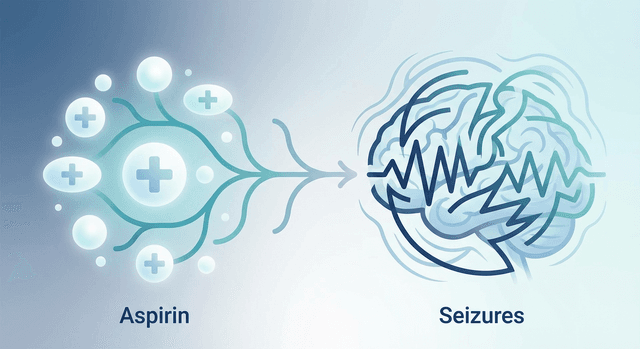
- Severe or escalating symptoms: Panic, rapid deep breathing, confusion, or seizures require urgent evaluation. [1]
- Allergic reaction features: Hives, swelling of the face or throat, wheezing, or fast heartbeat demand immediate medical help. [5]
- Bleeding or toxicity signs: Black stools, vomiting blood, or unusual bruising are emergencies and should not be ignored. [6] [5]
Practical coping strategies
- Pause and assess: If you develop new anxiety‑like symptoms after starting aspirin, consider holding the next dose and contact a clinician for guidance, particularly if you take higher doses or have sensitivity. Do not stop prescribed therapy for heart or stroke prevention without medical advice. [5]
- Review dosage and indication: Keep doses within recommended limits and confirm the reason you’re taking aspirin; higher doses carry more side‑effect risk. [5]
- Check for interactions: Discuss all medicines and supplements with a professional, as other drugs may worsen restlessness or insomnia. [5]
- Switching options: If aspirin seems linked to symptoms, a clinician may suggest alternative pain relievers or antiplatelet strategies based on your health history. [5]
- Supportive measures: Gentle breathing exercises, regular sleep routines, and limiting caffeine may ease mild nervousness while you seek medical advice. However, persistent or severe symptoms should not be self‑managed alone. [5]
Who is at higher risk
- Aspirin/NSAID sensitivity or asthma: Reactions to aspirin often coexist with sensitivity to other NSAIDs; consult a clinician before continuing if you have known issues. [4]
- Bleeding risk groups: Older adults, those with prior ulcers, or those on blood thinners have elevated risk for serious side effects and should seek tailored guidance. [6]
Bottom line
Aspirin can be associated with anxiety‑like symptoms in some people, but this appears uncommon and is more often noted at higher doses, in sensitivities, or in certain combination products. [1] [2] If you notice anxiety, restlessness, or panic after starting aspirin, reach out to a clinician to review your dose, other medications, and whether an alternative is appropriate, and seek urgent care for severe symptoms or any signs of allergy or bleeding. [5] [6] [4]
Related Questions
Related Articles


Sources
- 1.^abcdefAspirin (oral route) - Side effects & dosage(mayoclinic.org)
- 2.^abcdeYOSPRALA- aspirin and omeprazole tablet, film coated(dailymed.nlm.nih.gov)
- 3.^abcASPIRIN AND OMEPRAZOLE DELAYED-RELEASE TAB- aspirin and omeprazole tablet, film coated(dailymed.nlm.nih.gov)
- 4.^abcdAspirin allergy: Know the symptoms(mayoclinic.org)
- 5.^abcdefghiAspirin: MedlinePlus Drug Information(medlineplus.gov)
- 6.^abcdAspirin(dailymed.nlm.nih.gov)
Important Notice: This information is provided for educational purposes only and is not intended to replace professional medical advice, diagnosis, or treatment. Always consult with a qualified healthcare provider before making any medical decisions.