
 Persly Medical Team
Based on WHO | Is it safe to drink energy drinks while taking warfarin, or can they affect INR levels and bleeding risk?
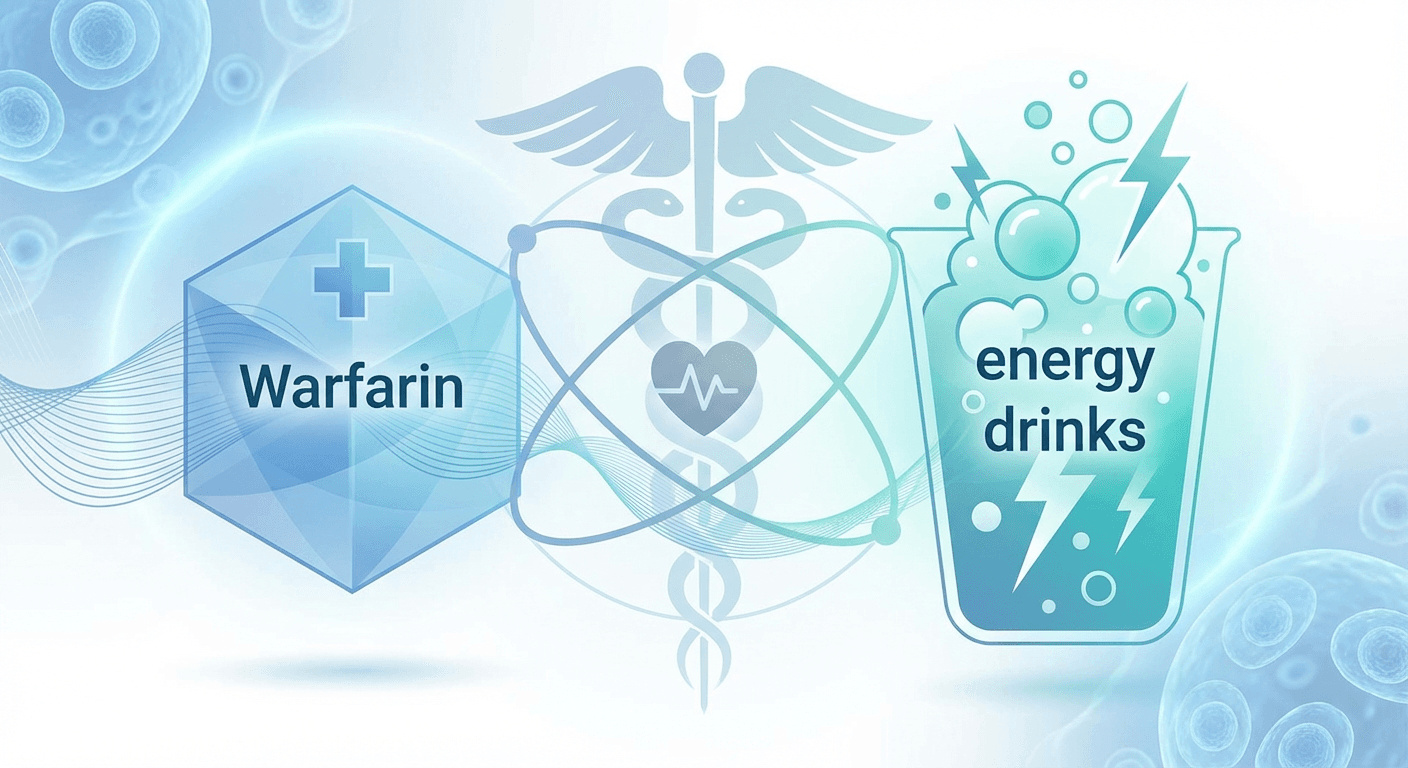
Energy drinks aren’t a direct, well-documented interaction with warfarin, but variable ingredients (including botanicals), high caffeine loads, and alcohol mixing can destabilize INR and increase bleeding risk. If used, keep the brand and amount consistent, avoid products with interacting herbs, don’t mix with alcohol, and arrange INR checks after any change.
Energy drinks are not specifically listed as a known interaction with warfarin, but certain common ingredients in them can indirectly affect warfarin control, so caution is wise. [1] Warfarin is highly sensitive to changes in diet and other products, and abrupt additions or large amounts of certain foods, drinks, or supplements can change your INR (the blood-thinning level) and bleeding risk. [1] [2]
Why interactions matter
Warfarin’s effect is influenced by vitamin K intake, liver metabolism, and other drugs or supplements; changes in these factors can push your INR too low (clot risk) or too high (bleeding risk). [2] Many medications, herbs, and some foods are known to raise or lower INR, which is why consistent habits and monitoring are emphasized in all warfarin programs. [1] [2]
What’s in energy drinks?
- Caffeine: stimulant; typical cans contain 80–200 mg per serving, sometimes more. (Not a listed, well-documented warfarin interaction.)
- Taurine, glucuronolactone, sugars/sweeteners, B‑vitamins: variable amounts by brand.
- Herbal extracts: some formulations include botanicals that may interact with warfarin if they affect platelets, liver enzymes, or contain vitamin K.
Excessive intake of energy drinks especially combined with alcohol or other drugs has been linked to cardiovascular and other adverse effects in the general population, suggesting moderation is prudent. [3]
What official guidance says about beverages and diet on warfarin
Authoritative consumer and professional guidance for warfarin stresses maintaining a normal, balanced diet and avoiding large, sudden dietary changes; it specifically highlights vitamin K–rich foods and certain beverages/supplements as concerns. [1] [2] The guidance also advises discussing any diet changes or new products with your care team and monitoring INR when changes occur. [1] [2]
Caffeine and warfarin
Caffeine itself is not consistently identified as a clinically important warfarin interaction in major interaction summaries. [4] General warfarin education materials do not list ordinary caffeine (such as in coffee) as a routine INR modifier, though they emphasize that alcohol, certain herbs, and high‑vitamin K items can matter. [1] [2] Still, very high or suddenly increased caffeine intake (as can occur with multiple energy drinks) could contribute to dehydration, reduced appetite, or changes in concomitant medication use (e.g., pain relievers), which may indirectly sway INR control in some users. [1] [2]
Herbal/botanical additives
Some herbs and supplements can interact with warfarin by affecting platelets, metabolism, or vitamin K pathways; examples include ginkgo, St. John’s wort, green tea, ginseng, garlic, and vitamin E. [5] If an energy drink includes botanicals with these properties, bleeding risk or INR variability could increase, so labels should be checked carefully and use discussed with your warfarin clinic. [5]
Alcohol mixing
Many people combine energy drinks with alcohol, which is risky on warfarin; alcohol can potentiate or reduce warfarin’s effect depending on pattern and liver status, and it is a recognized contributor to INR instability and bleeding events. [6] Alcohol use is a well-documented factor in warfarin interactions and hemorrhage risk when combined with other interacting agents. [7]
Practical guidance if you choose to drink energy drinks
- Keep intake consistent: Warfarin works best when your day‑to‑day diet is stable, so avoid sudden increases in energy drink consumption. [1] [2]
- Read the label: Avoid products containing herbs known to interact with warfarin (e.g., ginkgo, St. John’s wort) or green tea extracts. [5]
- Avoid alcohol combinations: Do not mix energy drinks with alcohol while on warfarin. [6] [7]
- Monitor symptoms: Seek care urgently for signs of bleeding such as black stools, pink/brown urine, coughing up blood, or vomiting that looks like coffee grounds. [1] [2]
- Recheck INR after changes: If you start, stop, or significantly change the amount or brand of energy drink, arrange an INR check within about a week to ensure you remain in range. [1] [2]
- Prefer safer alternatives: For a quick pick‑me‑up, consider a consistent, moderate caffeine source (e.g., a regular cup of coffee or tea) without added botanicals, and keep the amount steady day to day. [1] [2]
Bottom line
- There is no strong, direct evidence that typical caffeine doses alone from energy drinks consistently alter INR, but warfarin guidance emphasizes caution with any new or variable dietary product. [4] [1] [2]
- The main concerns are variability in ingredients (including herbs), high caffeine loads, and frequent co‑use with alcohol, all of which can contribute to INR swings or bleeding risk. [5] [6] [7]
- If you decide to use energy drinks, keep the brand and amount consistent, avoid alcohol, check labels for interacting botanicals, and arrange closer INR monitoring after any change. [1] [2] [5]
Would you like help reviewing the exact energy drink brand and ingredients you’re considering to see if any listed additives could interact with warfarin?
Related Questions
Related Articles


Sources
- 1.^abcdefghijklmDailyMed - WARFARIN SODIUM tablet(dailymed.nlm.nih.gov)
- 2.^abcdefghijklmDailyMed - WARFARIN SODIUM tablet(dailymed.nlm.nih.gov)
- 3.^↑[Energy drinks: an unknown risk].(pubmed.ncbi.nlm.nih.gov)
- 4.^abInteractions of warfarin with drugs and food.(pubmed.ncbi.nlm.nih.gov)
- 5.^abcdeWarfarin side effects: Watch for interactions(mayoclinic.org)
- 6.^abcInteractions of warfarin with drugs and food.(pubmed.ncbi.nlm.nih.gov)
- 7.^abcRisk of hemorrhage and treatment costs associated with warfarin drug interactions in patients with atrial fibrillation.(pubmed.ncbi.nlm.nih.gov)
Important Notice: This information is provided for educational purposes only and is not intended to replace professional medical advice, diagnosis, or treatment. Always consult with a qualified healthcare provider before making any medical decisions.