
 Persly Medical Team
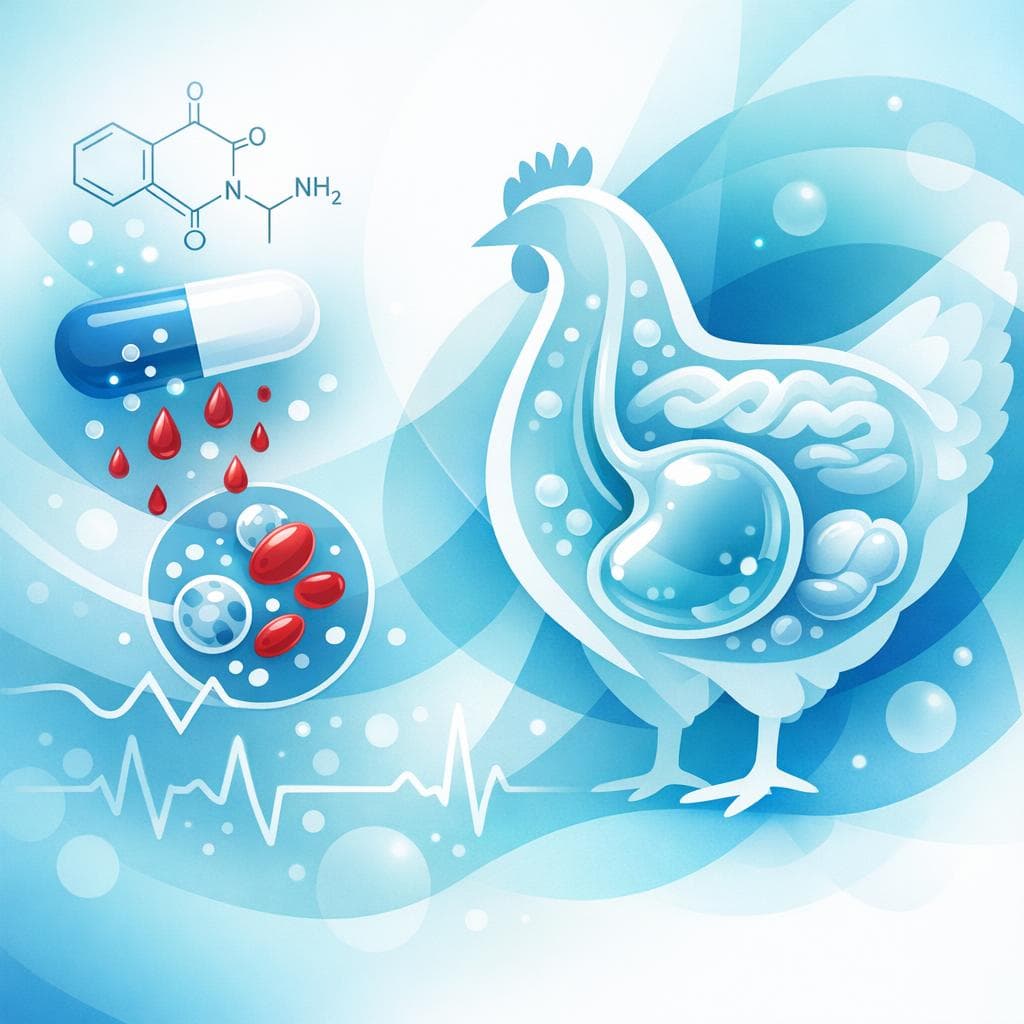
Based on NIH | Is it true that warfarin should be taken on an empty stomach and that eating chicken can interfere with its effect?
Warfarin does not need to be taken on an empty stomach; take it at the same time daily, with or without food. Chicken in typical amounts does not interfere with warfarin. Keep vitamin K intake consistent, especially from leafy greens and certain oils.
Warfarin and food: what really matters Warfarin does not need to be taken on an empty stomach, and typical chicken or poultry intake does not meaningfully interfere with its effect when eaten in usual amounts. You can take warfarin with or without food as long as you take it the same time each day, and the key dietary issue is keeping your vitamin K intake consistent mainly from green leafy vegetables and certain oils not avoiding chicken. [1] [2]
How to take warfarin
- You may take warfarin with food or on an empty stomach. The important point is consistency take it at the same time every day to help keep your blood levels stable. [1] [3]
- Regular blood tests (INR) and check‑ins with your clinician are important to adjust your dose safely. [1] [3]
Bottom line: warfarin does not require an empty stomach; take it consistently at the same time daily. [1] [3]
Food interactions that matter
- Vitamin K reduces warfarin’s effect because warfarin works by blocking vitamin K’s role in making clotting factors. [4] [5]
- Foods highest in vitamin K are green leafy vegetables (like spinach, kale, collards) and some vegetable oils (such as soybean and canola), so large or sudden increases can lower your INR. [6] [4]
- Guidance emphasizes eating a normal, balanced diet while keeping vitamin K intake steady rather than avoiding these foods entirely. [6] [4]
Consistency is key: avoid big day‑to‑day swings in vitamin K‑rich foods rather than cutting them out completely. [6] [4]
What about chicken and other meats?
- Standard dietary guidance for warfarin focuses on vitamin K–rich plants and certain beverages/herbs; chicken and other poultry are not highlighted as problematic foods. [6] [4]
- Typical chicken meat contains very little vitamin K compared with leafy greens, so usual portions are unlikely to meaningfully counteract warfarin’s effect when your overall diet is consistent. [6] [4]
In typical amounts, chicken is not considered a food that interferes with warfarin; the concern is primarily leafy greens and certain oils due to vitamin K. [6] [4]
Practical tips for stable INR
- Take warfarin at the same time daily, with or without food choose the approach you can stick with. [1] [3]
- Keep your intake of vitamin K–rich foods steady week to week; avoid sudden “diets” or binges on greens or large changes in cooking oils. [6] [4]
- Before making major diet changes (e.g., starting a green juice cleanse or a new supplement), check with your care team so your INR can be monitored and your dose adjusted if needed. [6] [4]
- Be aware that certain herbs and beverages (for example, St. John’s wort, large changes in green tea, or certain supplements) can affect warfarin; discuss new products with your clinician or pharmacist. [4] [7]
Quick reference: warfarin and diet
| Topic | What the guidance says | Why it matters |
|---|---|---|
| Empty stomach vs. with food | You can take warfarin with food or on an empty stomach; do it the same time daily. [1] [3] | Improves day‑to‑day consistency and INR stability. |
| Vitamin K foods | Do not eat large amounts of leafy green vegetables or drastically change intake; keep vitamin K intake consistent. [6] [4] | Vitamin K lowers warfarin effect and can reduce INR. |
| Vegetable oils | Some oils (e.g., soybean, canola) are higher in vitamin K; sudden large increases can matter. [6] | Oils can add significant vitamin K if intake changes abruptly. |
| Chicken/poultry | Not listed as a concern in standard guidance; usual portions have minimal vitamin K. [6] [4] | Unlikely to affect warfarin if diet is otherwise consistent. |
| Monitoring | Regular INR tests and dose adjustments are essential. [1] [3] | Ensures safe, effective anticoagulation. |
Key takeaways
- You do not need to take warfarin on an empty stomach; take it at the same time every day, with or without food. [1] [3]
- Chicken in typical amounts does not interfere with warfarin; focus on keeping vitamin K intake (mainly leafy greens and certain oils) consistent. [6] [4]
- Stay in close contact with your healthcare team and have your INR checked regularly, especially if your diet changes. [1] [3]
Related Questions
Related Articles


Sources
- 1.^abcdefghiWarfarin Sodium Tablets, USP(dailymed.nlm.nih.gov)
- 2.^↑Warfarin Sodium Tablets, USP Crystalline(dailymed.nlm.nih.gov)
- 3.^abcdefghDailyMed - WARFARIN SODIUM tablet(dailymed.nlm.nih.gov)
- 4.^abcdefghijklmWARFARIN SODIUM(dailymed.nlm.nih.gov)
- 5.^↑WARFARIN SODIUM(dailymed.nlm.nih.gov)
- 6.^abcdefghijklWARFARIN SODIUM(dailymed.nlm.nih.gov)
- 7.^↑Pharmacokinetic and Pharmacodynamic Interactions between Food or Herbal Products and Oral Anticoagulants: Evidence Review, Practical Recommendations, and Knowledge Gaps.(pubmed.ncbi.nlm.nih.gov)
Important Notice: This information is provided for educational purposes only and is not intended to replace professional medical advice, diagnosis, or treatment. Always consult with a qualified healthcare provider before making any medical decisions.