
 Persly Medical Team
Based on NIH | Can taking naproxen at night after eating spicy food increase the risk of stomach irritation or heartburn?
Taking naproxen after a spicy meal can raise the risk of stomach irritation and heartburn, especially if you lie down soon afterward. Use the lowest effective dose, take it with a bland snack or milk, avoid late spicy meals, and seek medical care for warning signs such as black stools or vomiting blood.
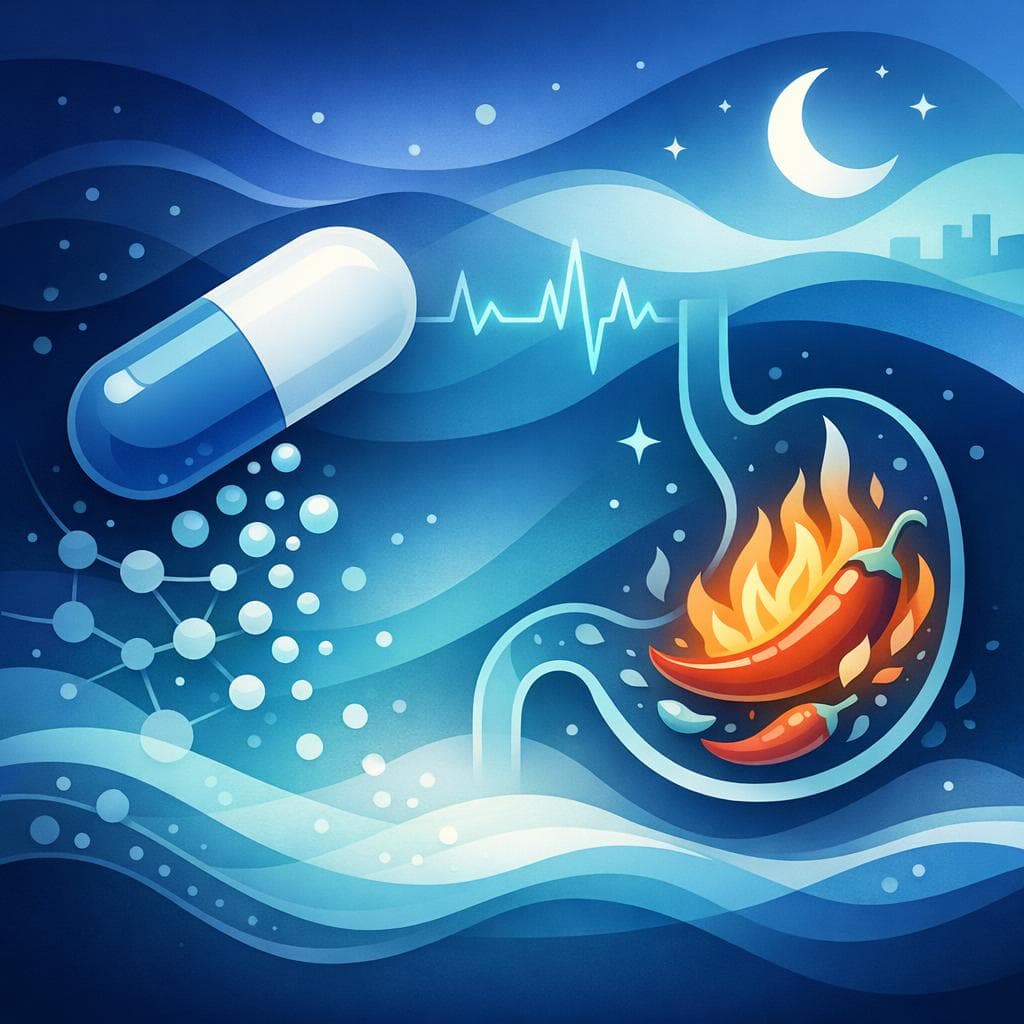
Taking naproxen at night after a spicy meal can increase the chance of stomach irritation or heartburn for some people. Naproxen (an NSAID) can irritate the stomach lining and trigger symptoms such as heartburn, stomach pain, nausea, or even bleeding in sensitive individuals. [1] Over‑the‑counter naproxen products also advise taking the medication with food or milk if stomach upset occurs, which implies a known risk of irritation. [2] However, spicy foods on their own can also provoke heartburn in many people, so combining a spicy dinner with naproxen may compound symptoms in those who are susceptible. [3] [4]
Why naproxen can upset the stomach
- NSAIDs like naproxen reduce protective prostaglandins in the stomach lining, which can lead to irritation, ulcers, and bleeding. Common symptoms include heartburn and stomach pain. [1]
- Consumer medication guides warn to stop use and seek medical care if warning signs of stomach bleeding appear (fainting, vomiting blood, black stools, or persistent stomach pain). These warnings highlight the gastric risk profile of naproxen. [2]
How spicy food plays a role
- Spicy and fatty foods are common heartburn triggers because they can relax the lower esophageal sphincter and irritate the esophagus, allowing acid to reflux more easily. This can worsen post‑meal heartburn, especially at night. [3] [4]
- Guidance for managing heartburn often recommends avoiding rich, spicy foods and not lying down soon after eating, reflecting their tendency to provoke reflux symptoms. This matters if naproxen is taken after a spicy dinner and followed by bedtime. [5] [6]
Food with naproxen: does it help or hurt?
- Many labels suggest taking naproxen with food or milk if stomach upset occurs to improve tolerability. This can blunt immediate irritation for some people. [2]
- Research reviews note that food can delay the peak level (and onset of pain relief) without reducing the total amount absorbed, and fasting can increase gastric side effects in animals; however, human data are limited and complex. Practically, occasional over‑the‑counter use of naproxen is generally considered safe, but individual sensitivity varies. [7]
Nighttime considerations
- Lying down soon after eating increases reflux because stomach contents press more on the valve between the stomach and esophagus. Eating a spicy dinner, then taking naproxen, then going to bed may heighten heartburn risk. [3]
- Lifestyle advice for heartburn includes avoiding late meals, elevating the head of the bed, and avoiding triggers like spicy foods. These steps are particularly relevant on nights when naproxen is needed. [3] [5]
Practical tips to reduce risk 🌙
- Take the lowest effective dose for the shortest time needed. Avoid extra doses at night if not necessary. [2]
- If you’re prone to heartburn, consider taking naproxen with a small, non‑spicy snack or milk rather than after a heavy, spicy meal. This may reduce irritation while avoiding strong reflux triggers. [2] [3]
- Avoid lying down for at least 2–3 hours after eating; if taking it near bedtime, elevate the head of the bed. These measures can lessen nighttime reflux. [3]
- Limit other triggers on naproxen days (alcohol, caffeine, chocolate, fatty/fried foods). Combining multiple triggers raises the chance of heartburn. [3] [4]
- Watch for warning signs: persistent stomach pain, black stools, vomiting blood, or feeling faint require urgent medical evaluation. Stop naproxen and seek care if these occur. [2]
When to consider alternatives
- If you frequently get heartburn with naproxen, you could discuss alternatives such as acetaminophen (paracetamol) for pain that does not require anti‑inflammatory effects, or using the lowest‑risk NSAID strategy under medical guidance. Some people may need protective therapy (e.g., acid suppressants) if NSAIDs are necessary. [8]
- For occasional nighttime pain, timing the dose earlier with a bland meal, or using non‑oral options (topical NSAIDs for localized pain) might be gentler on the stomach. Adjusting timing and formulation can reduce reflux exposure. [7]
Bottom line
- Naproxen can cause stomach irritation and heartburn, and spicy foods commonly trigger reflux; taking naproxen at night after a spicy meal may increase the likelihood of discomfort, especially if you lie down soon afterward. [1] [3] [4]
- Using the smallest effective dose, avoiding late spicy meals, taking with a bland snack or milk if sensitive, and staying upright for a few hours after eating are practical ways to lower risk. Seek medical advice if you have a history of ulcers, bleeding, or persistent heartburn. [2] [1]
Related Questions
Related Articles

Sources
- 1.^abcdNaproxen: MedlinePlus Drug Information(medlineplus.gov)
- 2.^abcdefgALL DAY PAIN RELIEF- naproxen sodium tablets, 220 mg tablet(dailymed.nlm.nih.gov)
- 3.^abcdefghHeartburn: MedlinePlus Medical Encyclopedia(medlineplus.gov)
- 4.^abcdHeartburn-Heartburn - Symptoms & causes - Mayo Clinic(mayoclinic.org)
- 5.^ab(dailymed.nlm.nih.gov)
- 6.^↑(dailymed.nlm.nih.gov)
- 7.^abNSAIDs: take with food or after fasting?(pubmed.ncbi.nlm.nih.gov)
- 8.^↑NSAID-induced gastrointestinal and cardiovascular injury.(pubmed.ncbi.nlm.nih.gov)
Important Notice: This information is provided for educational purposes only and is not intended to replace professional medical advice, diagnosis, or treatment. Always consult with a qualified healthcare provider before making any medical decisions.