
 Persly Medical Team
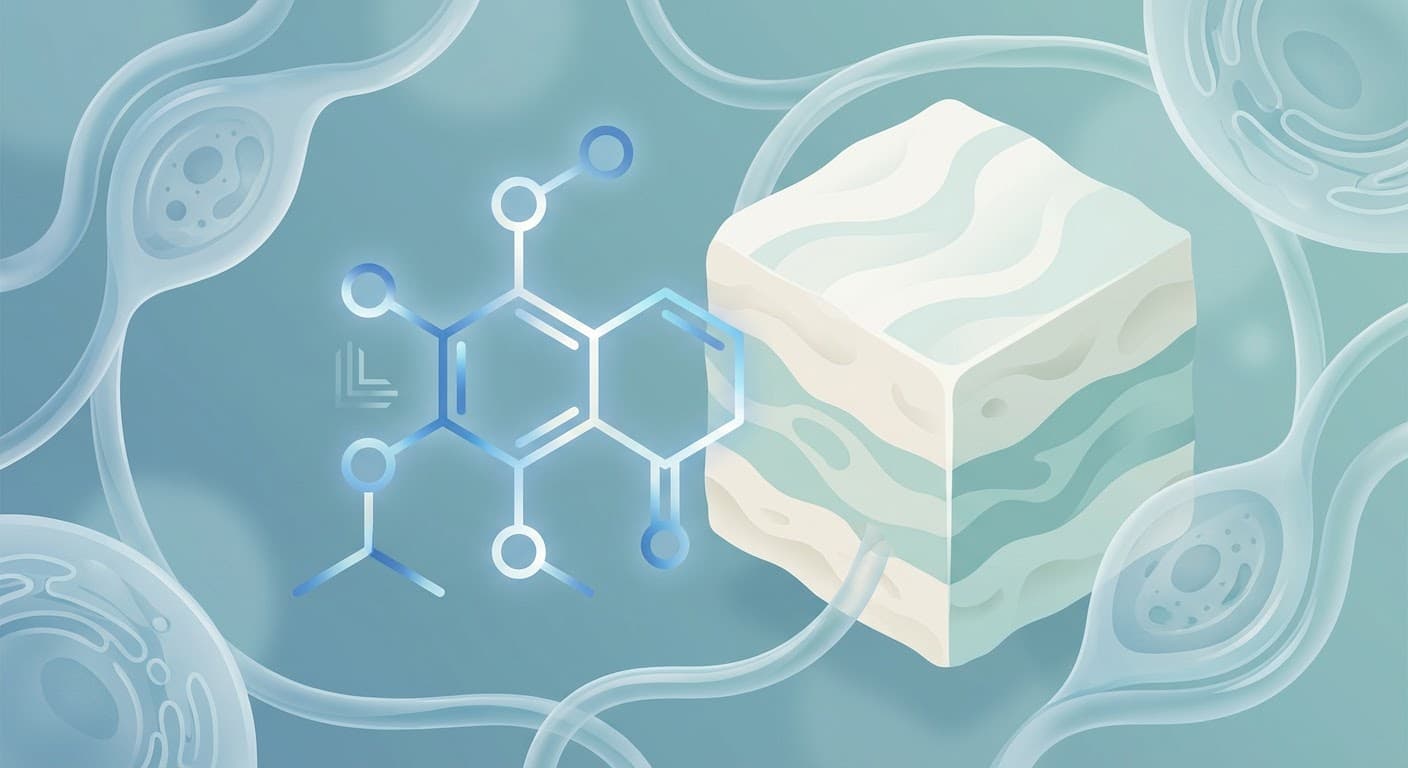
Does eating tofu interfere with levothyroxine absorption or reduce its effectiveness?
Soy foods like tofu can bind levothyroxine in the gut and reduce its absorption, potentially lowering effectiveness if taken together. Take levothyroxine on an empty stomach and separate soy by at least 4 hours, and monitor TSH/free T4 after diet changes to adjust the dose if needed. Other foods such as high fiber, walnuts, and grapefruit juice can also affect absorption.
Short answer: Eating tofu and other soy foods can decrease how well levothyroxine is absorbed from your gut, which may lower the drug’s effect if taken too close together. Separating your levothyroxine dose from soy products (and other binding foods) and monitoring thyroid labs can help keep levels stable. [1] [2]
Why soy (including tofu) matters
Soy components and fiber can bind levothyroxine in the gastrointestinal tract, reducing how much of the medication gets into your bloodstream. [1] This interaction has been recognized in official prescribing information, which notes that soybean products and dietary fiber may necessitate dose adjustments because of reduced absorption. [2] Grapefruit juice is also listed as a food that can delay and reduce levothyroxine absorption, highlighting that food–drug timing is important for this medicine. [1]
What the evidence shows
- Official drug labeling consistently warns that soybean flour and dietary fiber can decrease levothyroxine absorption, potentially requiring dosage changes. [1] Multiple levothyroxine tablet labels reiterate this same caution. [2] [3] [4]
- Case observations in children with hypothyroidism describe persistent hypothyroidism when soy products were consumed regularly with levothyroxine, with improvement after removing soy and adjusting dosing, underscoring a clinically meaningful interaction in some scenarios. [5]
While not every individual will experience a large effect, the risk of reduced bioavailability is credible and supported by pharmacology and clinical experience. [6] Absorption is known to vary with fasting versus fed states, age, and gut conditions, and certain foods like soybeans reduce T4 availability. [6]
Practical timing guidance
- Take levothyroxine on an empty stomach with water, typically in the morning, and wait at least 30–60 minutes before eating to maximize absorption. [1]
- To minimize binding, separate soy-containing meals (tofu, soy milk, tempeh, edamame) by several hours from your levothyroxine dose; many clinicians suggest at least 4 hours of separation when feasible. This approach aligns with the principle that certain foods can bind and decrease absorption, potentially requiring dosing adjustments if not separated. [1] [2]
- Be consistent with your routine; if you regularly eat soy, your healthcare provider can adjust the dose based on thyroid labs to keep you in range. [2]
Other foods and factors to consider
- Besides soy, walnuts and high-fiber foods may similarly reduce levothyroxine absorption by binding in the gut. [1] [2]
- Grapefruit juice may slow absorption and lessen bioavailability, so avoid taking levothyroxine with grapefruit or close to grapefruit intake. [1]
- Absorption can also be affected by malabsorption conditions and age, which is why consistent administration timing and follow‑up labs are important. [6]
Monitoring and dose adjustments
If you add or remove tofu/soy from your diet, it’s reasonable to check thyroid‑stimulating hormone (TSH) and free T4 within 6–8 weeks to see if your dose remains appropriate. This reflects the labeling’s advice that certain foods may necessitate adjustments in dosing because of altered absorption. [1] Regular monitoring helps catch any shift toward hypothyroidism (low hormone effect) or hyperthyroidism (too much effect). [2]
Bottom line
Tofu and other soy foods can interfere with levothyroxine absorption when taken too close in time, potentially reducing effectiveness. [1] Keeping a consistent dosing routine on an empty stomach and separating soy intake by several hours with periodic TSH/free T4 monitoring usually prevents problems and allows dose fine‑tuning if needed. [1] [2] [5]
Quick reference table
| Topic | Key point | Practical tip |
|---|---|---|
| Mechanism | Soy/fiber can bind levothyroxine and reduce absorption | Avoid taking levothyroxine with soy meals |
| Timing | Empty stomach improves absorption | Take levothyroxine; wait 30–60 minutes before eating |
| Separation | Soy foods may necessitate spacing | Keep ≥4‑hour gap from tofu/soy when possible |
| Other foods | Walnuts, high fiber, grapefruit juice affect absorption | Do not take levothyroxine with these foods |
| Monitoring | Diet changes can alter dose needs | Recheck TSH/free T4 6–8 weeks after changes |
Related Questions
Related Articles
Sources
- 1.^abcdefghijklmnopLEVOTHYROXINE SODIUM(dailymed.nlm.nih.gov)
- 2.^abcdefghijkDailyMed - LEVOTHYROXINE SODIUM tablet(dailymed.nlm.nih.gov)
- 3.^↑DailyMed - LEVOTHYROXINE SODIUM tablet(dailymed.nlm.nih.gov)
- 4.^↑DailyMed - LEVOTHYROXINE SODIUM tablet(dailymed.nlm.nih.gov)
- 5.^abUnawareness of the effects of soy intake on the management of congenital hypothyroidism.(pubmed.ncbi.nlm.nih.gov)
- 6.^abclevothyroxin sodium(dailymed.nlm.nih.gov)
Important Notice: This information is provided for educational purposes only and is not intended to replace professional medical advice, diagnosis, or treatment. Always consult with a qualified healthcare provider before making any medical decisions.