
 Persly Medical Team
Is it safe to take gabapentin while fasting, or does it need to be taken with food for proper absorption and to prevent side effects?
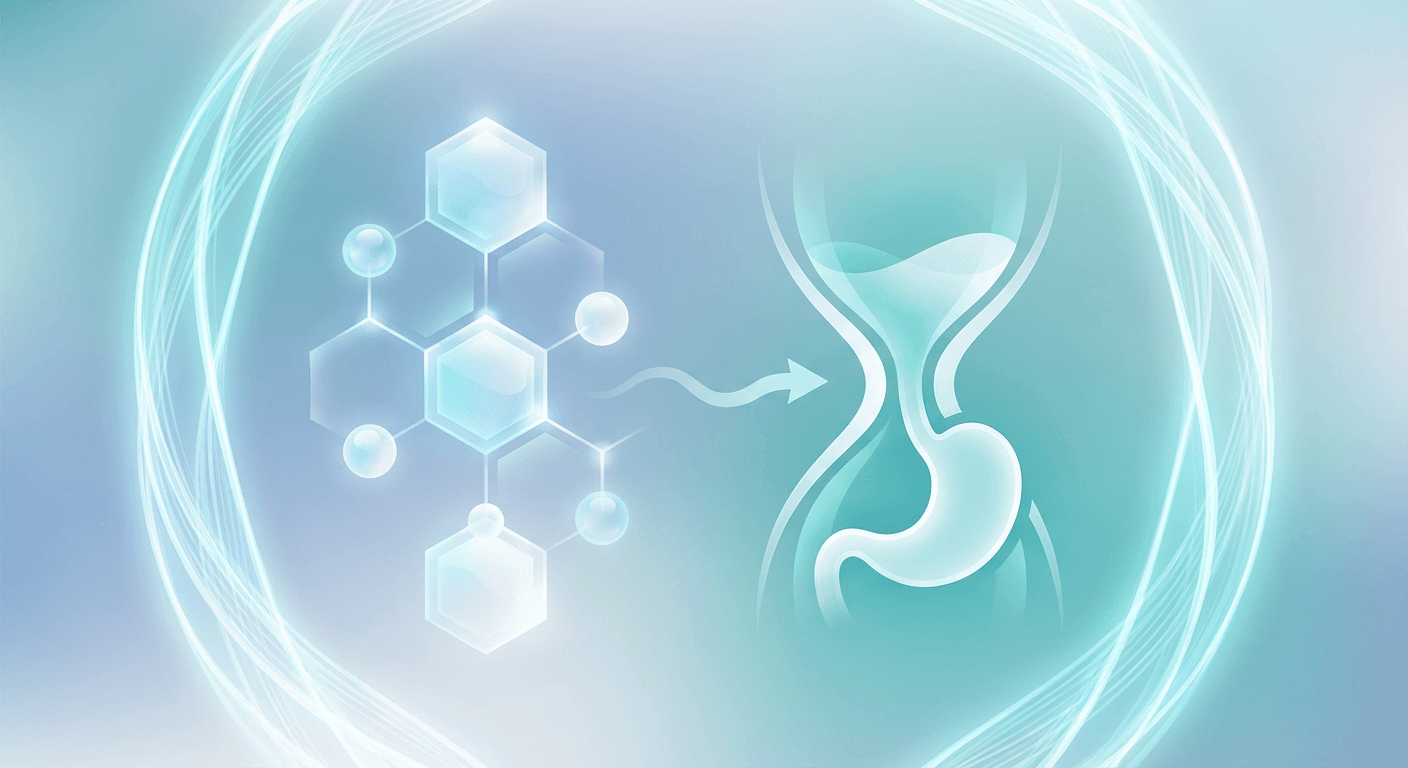
Gabapentin can be taken with or without food, and fasting is generally safe. Food causes only a small (~14%) increase in absorption that is rarely clinically significant; take with a snack if you experience stomach upset. Note: the prodrug gabapentin enacarbil has a more pronounced food effect.
Gabapentin and Fasting: Safety, Absorption, and Side Effects
Gabapentin can generally be taken safely while fasting. Official dosing instructions state that gabapentin may be taken “with or without food,” and food has only a small effect on how much and how fast the drug is absorbed. [1] Food produces about a modest increase (around 14%) in overall exposure to gabapentin, which is not usually clinically significant for most people. [2] This means you do not need to eat to take gabapentin, and fasting should not meaningfully reduce its effectiveness in most cases. [1] [3]
How Food Affects Gabapentin Absorption
- Minor increase with food: When taken with food, both the total exposure (AUC) and peak level (Cmax) of gabapentin increase by about 14%. [2] This is described as a “slight effect” in pharmacokinetic terms. [3] [4]
- Practical takeaway: Because the change is small, gabapentin works effectively whether taken with meals or on an empty stomach. [1] [2]
- Dose and bioavailability: Gabapentin’s bioavailability decreases as the dose rises (e.g., ~60% at 900 mg/day down to ~27% at 4,800 mg/day), but this pattern is due to the drug’s transport mechanism, not food intake. [3] [4]
Side Effects and Food
The most common gabapentin side effects include dizziness, sleepiness, and sometimes nausea or vomiting. [5] [6] While these side effects are recognized, they are not specifically linked to whether the dose is taken with food, and official guidance does not require food to prevent them. [1] If you personally experience stomach upset with gabapentin, taking it with a small snack is a reasonable approach, but it’s not mandatory from a safety or efficacy standpoint. [1]
- Common side effects: Dizziness and somnolence are among the most frequent and can increase fall risk. [5]
- GI symptoms: Nausea and vomiting can occur but are not necessarily influenced by food. [5] [6]
- Practical tip: If you feel queasy, you may try taking your dose with a light meal; if you are fasting and sensitive, sipping water with the dose is also acceptable. [1]
Special Case: Gabapentin Enacarbil (Prodrug)
Gabapentin enacarbil (a different formulation used for conditions like restless legs syndrome) shows a more pronounced food effect, with higher exposure when taken with meals. [7] For standard gabapentin capsules/tablets, this stronger food effect does not apply. [2] [1]
- Enacarbil detail: Food increases gabapentin exposure 23–40% after gabapentin enacarbil, with higher bioavailability across low-, moderate-, and high-fat meals. [7]
- Standard gabapentin: Only a slight ~14% increase with food; dosing instructions allow “with or without food.” [2] [1]
Practical Guidance for Fasting
- Safety: It is generally safe to take gabapentin while fasting. [1]
- Consistency: Take doses at the same times each day to maintain steady levels; meal timing is not critical for standard gabapentin. [1]
- If dizziness occurs: Consider taking doses at bedtime or sitting down briefly after dosing; food is not required but a snack may help if you are prone to lightheadedness. [5]
- Hydration: Swallow with water to reduce throat or stomach irritation; fasting does not preclude this. [1]
Quick Reference Table
| Topic | Standard Gabapentin (capsules/tablets) | Practical Implication |
|---|---|---|
| Food requirement | Can be taken with or without food. [1] | No need to eat to take your dose. |
| Food effect on absorption | Slight increase (~14% in AUC and Cmax). [2] [3] | Usually not clinically significant. |
| Common side effects | Dizziness, sleepiness, nausea/vomiting may occur. [5] [6] | Food not required to prevent them; try a snack if you get queasy. |
| Fasting safety | Generally safe during fasting. [1] | Keep dose schedule; use water. |
| Enacarbil (prodrug) | Food increases exposure more markedly. [7] | Follow product-specific advice if using enacarbil. |
Key Takeaways
- You can take gabapentin while fasting; it does not require food for proper absorption. [1]
- Food causes only a small increase in absorption, which usually doesn’t affect effectiveness or safety. [2] [3]
- If you personally experience stomach upset, taking it with a small snack is optional and may help, but it’s not required. [1]
- If you are prescribed gabapentin enacarbil (prodrug), be aware that food increases absorption more significantly and follow your specific product’s instructions. [7]
If you have a history of severe dizziness, falls, or GI sensitivity, discuss timing and dosing strategies with your clinician, as adjustments like bedtime dosing can be helpful. [5]
Related Questions
Related Articles
Sources
- 1.^abcdefghijklmnoGABAPENTIN Capsules These highlights do not include all the information needed to use GABAPENTIN safely and effectively. See full prescribing information for GABAPENTIN. GABAPENTIN capsules, for oral use GABAPENTIN tablets, for oral use Initial U.S. Approval: 1993(dailymed.nlm.nih.gov)
- 2.^abcdefgThese highlights do not include all the information needed to use GABAPENTIN CAPSULES safely and effectively. See full prescribing information for GABAPENTIN CAPSULES. GABAPENTIN capsules, for oral use Initial U.S. Approval: 1993(dailymed.nlm.nih.gov)
- 3.^abcdeGabapentin Capsules(dailymed.nlm.nih.gov)
- 4.^abThese highlights do not include all the information needed to use GABAPENTIN CAPSULES safely and effectively. See full prescribing information for GABAPENTIN CAPSULES. GABAPENTIN capsules, for oral useInitial U.S. Approval: 1993(dailymed.nlm.nih.gov)
- 5.^abcdefThese highlights do not include all the information needed to use GABAPENTIN safely and effectively. See full prescribing information for GABAPENTIN. GABAPENTIN capsules, for oral use GABAPENTIN tablets, for oral use Initial U.S. Approval: 1993(dailymed.nlm.nih.gov)
- 6.^abcGabapentin Capsules, USP(dailymed.nlm.nih.gov)
- 7.^abcdThe effect of food with varying fat content on the clinical pharmacokinetics of gabapentin after oral administration of gabapentin enacarbil.(pubmed.ncbi.nlm.nih.gov)
Important Notice: This information is provided for educational purposes only and is not intended to replace professional medical advice, diagnosis, or treatment. Always consult with a qualified healthcare provider before making any medical decisions.