
 Persly Medical Team
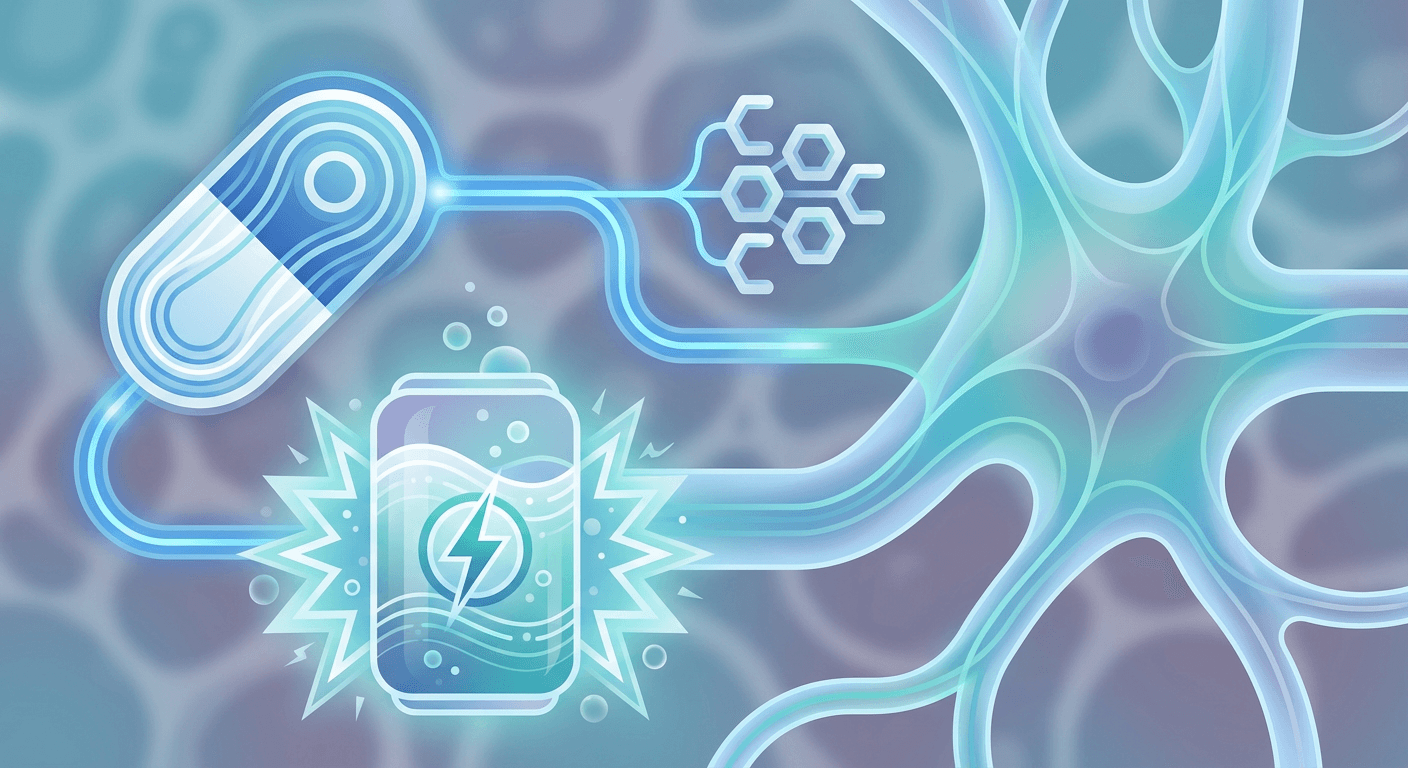
Is it safe to drink energy drinks while taking gabapentin?
There’s no well-established, dangerous interaction between gabapentin and caffeine, but energy drinks often contain high doses of stimulants that can worsen dizziness, impair judgment, and mask sedation from gabapentin. Limit or avoid energy drinks, steer clear of alcohol and other sedatives, and don’t drive until you know how gabapentin affects you.
Can You Drink Energy Drinks While Taking Gabapentin?
In general, small amounts of caffeine (like a cup of coffee) are not known to have a direct, dangerous interaction with gabapentin, but energy drinks often contain high doses of caffeine and other stimulants that can complicate how you feel on gabapentin. Gabapentin commonly causes sleepiness and dizziness, and any substance that shifts alertness or hydration can make those effects harder to manage. [1] [2] It’s wise to limit energy drinks, monitor how you feel, and avoid mixing them with alcohol or other sedating medicines. [1] [2]
What Official Guidance Says
- Gabapentin can slow thinking and motor skills, and you should avoid alcohol and other medicines that make you sleepy or dizzy unless you’ve discussed them with your clinician. This caution exists because gabapentin’s sedating effects can be worsened by other central nervous system (CNS) depressants. [1] [2]
- You should not drive or operate heavy machinery until you know how gabapentin affects you. Any added substance that changes alertness whether sedating or stimulating can make it harder to judge your abilities safely. [1] [2]
Energy Drinks: Why They’re Tricky
Energy drinks typically combine:
- High-dose caffeine (often 80–300 mg per serving)
- Additional stimulants (e.g., guarana, yohimbine) and sugars
- Sometimes multiple servings in one can
While caffeine is a stimulant and gabapentin has sedating properties, there isn’t a documented, direct pharmacokinetic interaction between gabapentin and caffeine gabapentin has relatively few drug interactions overall. [3] However, practical issues matter:
- Sleep and alertness: Gabapentin can cause sleepiness and dizziness, and using stimulants to “push through” sedation can mask how impaired you are. [1] [2]
- Safety-sensitive tasks: Mixed signals to your nervous system (sedation from gabapentin vs. stimulation from energy drinks) can impair reaction time and judgment, which is risky for driving or machinery. [1] [2]
- Hydration and heart rate: Energy drinks can increase heart rate and blood pressure; if gabapentin is making you feel lightheaded, those changes may worsen discomfort or instability. [1] [2]
Practical Recommendations
- Moderation first: If you choose to use caffeine, favor low-to-moderate amounts (e.g., tea or a small coffee) rather than high-caffeine energy drinks. [3]
- Avoid alcohol and sedatives: Do not mix gabapentin with alcohol or other medicines that cause sleepiness or dizziness, as this clearly worsens impairment. [1] [2]
- Test on a low‑risk day: If you try an energy drink, do it when you don’t need to drive or do risky tasks, so you can see how your body responds. [1] [2]
- Watch for warning signs: Stop and reassess if you feel more dizzy, unusually anxious, have palpitations, or sleep poorly after an energy drink. [1] [2]
- Space out timing: Taking gabapentin as prescribed and spacing any caffeine several hours away may reduce noticeable swings in alertness. [3]
- Keep hydration and nutrition steady: Energy drinks can be dehydrating; drink water and avoid high-sugar, multi‑serving cans that spike and crash energy. [3]
When to Avoid Energy Drinks Entirely
You may want to avoid energy drinks if:
- You’re new to gabapentin and still learning its effects. Early treatment is when dizziness and sleepiness are most likely, so adding stimulants can be confusing and risky. [1] [2]
- You already feel sedated, foggy, or off-balance. Stimulants won’t “fix” sedation and may hide impairment. [1] [2]
- You take other CNS depressants (e.g., opioids, benzodiazepines) or drink alcohol. Combining depressants with gabapentin is specifically discouraged due to increased sedation and safety risks. [1] [2]
Key Takeaways
- No clear, direct interaction: There isn’t a well-established, dangerous interaction between gabapentin and caffeine itself. [3]
- Real‑world caution: Gabapentin can make you sleepy and dizzy; energy drinks can both mask and complicate those effects, and they are not a solution to medication‑related sedation. Limit energy drinks, avoid alcohol and sedatives, and do not drive until you know how gabapentin affects you. [1] [2]
Quick Reference Table
| Topic | Guidance |
|---|---|
| Alcohol or sedatives with gabapentin | Avoid unless cleared by your clinician; increases sleepiness/dizziness. [1] [2] |
| Driving or operating machinery | Avoid until you know your individual response to gabapentin. [1] [2] |
| Caffeine (coffee/tea) | Generally low to moderate amounts are reasonable; monitor symptoms. [3] |
| Energy drinks | Use caution or limit due to high caffeine/stimulants; avoid if already sedated or doing safety‑sensitive tasks. [1] [2] |
Would you like help estimating a safe caffeine range for your typical gabapentin dose and daily routine?
Related Questions
Related Articles
Sources
Important Notice: This information is provided for educational purposes only and is not intended to replace professional medical advice, diagnosis, or treatment. Always consult with a qualified healthcare provider before making any medical decisions.