
 Persly Medical Team
Based on PubMed | Is it safe to drink energy drinks while taking fluoxetine, or can the caffeine and other stimulants in them interact with the medication and increase side effects like anxiety, insomnia, or palpitations?
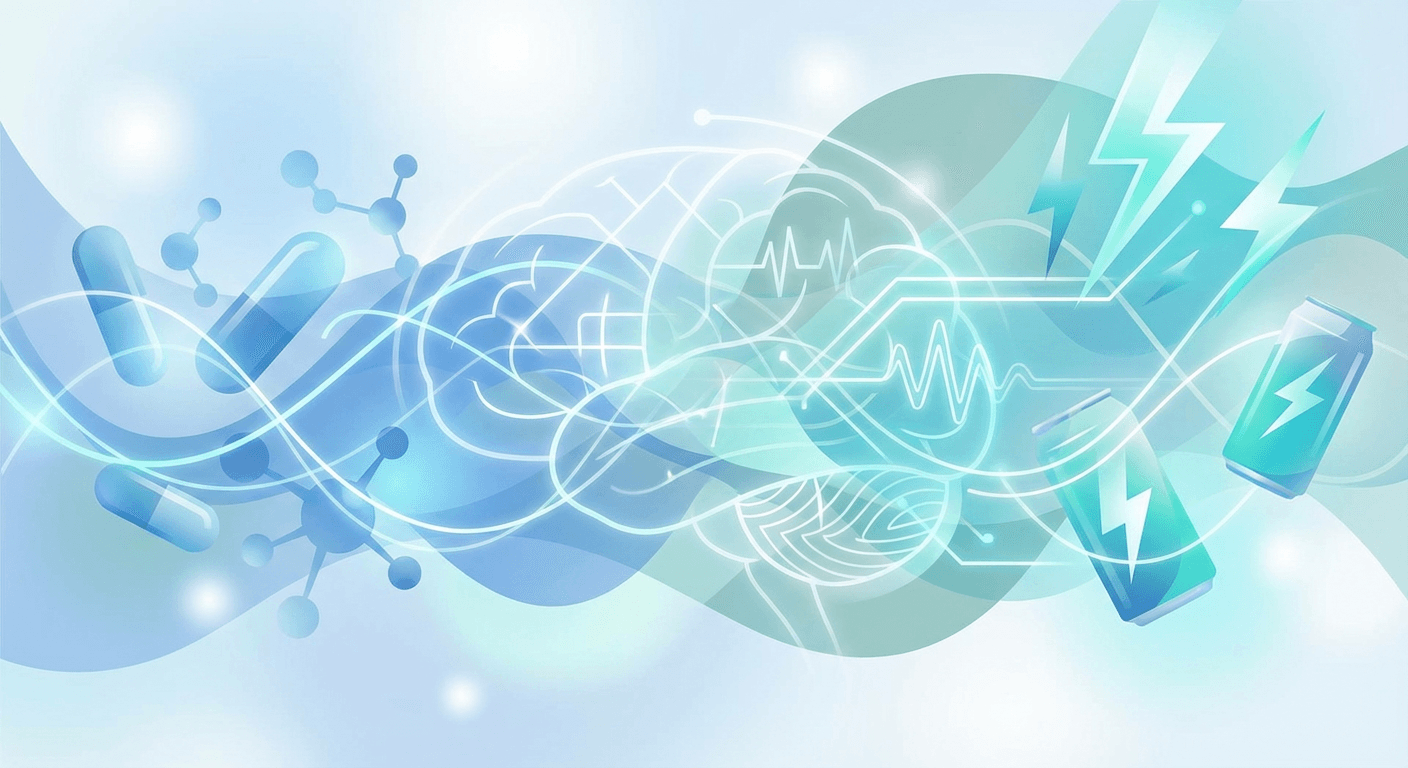
There’s no well-documented, dangerous interaction between fluoxetine and caffeine, but energy drinks and high caffeine can amplify fluoxetine’s side effects. They may worsen anxiety, insomnia, jitteriness, and palpitations, so limit caffeine, avoid energy drinks, and consult your clinician if symptoms occur.
It’s generally best to limit or avoid energy drinks while taking fluoxetine, because the caffeine and other stimulants in these drinks can reasonably increase common fluoxetine side effects such as nervousness, anxiety, trouble sleeping, and a fast or pounding heartbeat in some people. [1] [2] Fluoxetine itself can cause anxiety, insomnia, and palpitations in some users, so adding high-dose caffeine may compound these effects even if there isn’t a direct, dangerous drug–drug interaction. [1] [3] Caffeine and energy drink ingredients also stimulate the nervous system and can trigger or worsen anxiety and sleep problems on their own, which may be more noticeable when you’re starting or adjusting an SSRI like fluoxetine. [4]
What we know about fluoxetine
- Fluoxetine (an SSRI) commonly causes side effects such as nervousness/anxiety and difficulty sleeping, especially early in treatment or after dose changes. [1] [2]
- It can also cause increased sweating, tremor, and, less commonly, fast or irregular heartbeat, so clinicians advise reporting palpitations or fainting. [1] [3]
- Alcohol is discouraged with fluoxetine because it can worsen drowsiness and other CNS effects, reflecting a general caution about combining fluoxetine with substances that affect the brain. [5] [6]
What we know about caffeine and energy drinks
- Caffeine is a stimulant that can cause anxiety, restlessness, tremor, insomnia, and palpitations, and chronic heavy use may exacerbate anxiety disorders. [4]
- Typical coffee/tea intake in moderate amounts has not consistently been linked to dangerous heart rhythm problems in the general population, but energy drinks often contain high caffeine plus other stimulants (e.g., taurine, guarana), and there are case reports of arrhythmias with energy drinks, especially with exertion or in susceptible people. [7]
- Because energy drinks deliver large, rapid caffeine loads and additional stimulatory compounds, they are more likely than coffee to provoke jitteriness, sleep disruption, and heart racing. [7]
Is there a direct interaction between fluoxetine and caffeine?
- There isn’t a well‑documented, specific pharmacokinetic interaction that makes caffeine levels spike because of fluoxetine, and fluoxetine does not potentiate alcohol metabolism or act like amphetamines. [8]
- However, combining two agents that both can cause anxiety and insomnia can have additive effects, which is why many clinicians recommend minimizing caffeine while on SSRIs if you notice these symptoms. [1] [4]
Practical guidance
- If you choose to consume caffeine, favor modest amounts (for many adults, staying under about 200 mg/day roughly one 12‑oz coffee may be more comfortable) and avoid energy drinks that concentrate caffeine and stimulants. [4] [7]
- Avoid caffeine after early afternoon to protect sleep, since fluoxetine can already make falling or staying asleep harder. [2]
- If you experience new or worsening anxiety, restlessness, tremor, trouble sleeping, or heart pounding, cut back or stop caffeine and let your clinician know. [1] [3]
- Seek medical attention urgently if you have fainting, severe dizziness, or sustained fast/irregular heartbeat. [3]
Who should be especially careful
- People who already feel jittery, anxious, or have insomnia after starting fluoxetine may be more sensitive to stimulants and could benefit from avoiding energy drinks completely. [2] [1]
- Anyone with a personal or family history of heart rhythm problems should be cautious with energy drinks, as some reports link them to arrhythmias, particularly with exertion. [7]
Bottom line
- There is no strong evidence of a dangerous, unique drug–drug interaction between fluoxetine and caffeine, but the combination can add up to more anxiety, insomnia, jitteriness, and palpitations, especially with energy drinks that deliver high stimulant loads. [8] [4] [7]
- Many people do better limiting caffeine and avoiding energy drinks while on fluoxetine, particularly during the first weeks of treatment or if they are prone to anxiety or sleep problems. [2] [4]
Quick reference: common concerns
- Anxiety/nervousness: Both fluoxetine and caffeine can contribute; reducing caffeine often helps. [1] [4]
- Insomnia: Fluoxetine may cause difficulty sleeping; afternoon/evening caffeine makes this worse. [2] [4]
- Palpitations: Report fast, pounding, or uneven heartbeat; limit stimulants and seek care if severe or persistent. [3] [7]
Related Questions
Related Articles
Sources
- 1.^abcdefghFluoxetine: MedlinePlus Drug Information(medlineplus.gov)
- 2.^abcdefFluoxetina: MedlinePlus medicinas(medlineplus.gov)
- 3.^abcdeFluoxetine (oral route) - Side effects & dosage(mayoclinic.org)
- 4.^abcdefghPsychotropic effects of caffeine.(pubmed.ncbi.nlm.nih.gov)
- 5.^↑Fluoxetine: MedlinePlus Drug Information(medlineplus.gov)
- 6.^↑Fluoxetine (oral route) - Side effects & dosage(mayoclinic.org)
- 7.^abcdefRecommendations regarding dietary intake and caffeine and alcohol consumption in patients with cardiac arrhythmias: what do you tell your patients to do or not to do?(pubmed.ncbi.nlm.nih.gov)
- 8.^abThe human pharmacology of fluoxetine.(pubmed.ncbi.nlm.nih.gov)
Important Notice: This information is provided for educational purposes only and is not intended to replace professional medical advice, diagnosis, or treatment. Always consult with a qualified healthcare provider before making any medical decisions.