
 Persly Medical Team
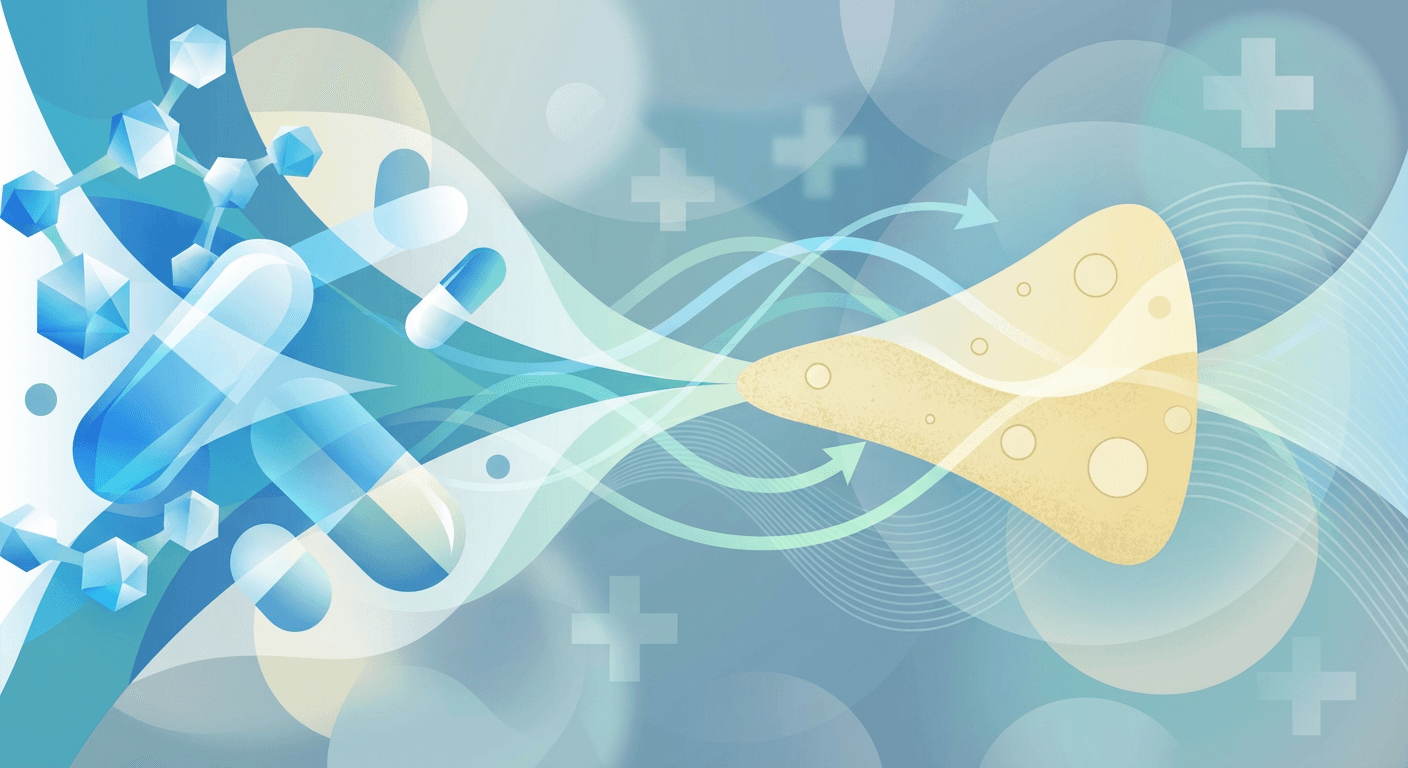
Is it safe to eat cheese while taking atorvastatin?
You can eat cheese while taking atorvastatin; choose lower-fat options and moderate portions as part of a heart-healthy, low-fat diet. Avoid large amounts of grapefruit juice, which can raise atorvastatin levels and increase muscle side effect risk. Atorvastatin can be taken with or without food.
You can generally eat cheese while taking atorvastatin, as there is no direct interaction between cheese or dairy and atorvastatin that would make it unsafe. Atorvastatin can be taken with or without food, and standard guidance emphasizes maintaining a heart‑healthy, low‑fat diet rather than avoiding dairy entirely. [1] [2]
Key Point: Diet Focus
- Atorvastatin is typically prescribed alongside a cholesterol‑lowering, low‑fat eating plan, and continuing this diet is recommended during treatment. [1] [2]
- This means cheese can fit into your diet if you choose lower‑fat options and watch portions, since high‑saturated‑fat foods can raise LDL (“bad”) cholesterol and counteract the medication’s benefits. [1] [2]
Known Food Interactions
- The notable food to limit with atorvastatin is grapefruit juice; large quantities can raise atorvastatin levels and increase the risk of muscle side effects. It’s advised to avoid excessive grapefruit juice intake (particularly more than about 1.2 liters per day). [3] [4]
- Aside from grapefruit juice, atorvastatin does not have routine food restrictions, and it may be taken at any time of day with or without meals. [1] [5]
Practical Tips for Cheese and Dairy
- Prefer reduced‑fat or part‑skim cheeses (like mozzarella or cottage cheese) instead of high‑fat aged cheeses to help keep saturated fat low.
- Keep portions moderate (for example, 1 ounce/30 grams of cheese) and balance with high‑fiber foods (vegetables, whole grains) that support healthy cholesterol levels.
- Consider yogurt or milk with lower fat content; these can be part of a heart‑healthy pattern when portioned appropriately.
Why Saturated Fat Matters
- Atorvastatin lowers cholesterol production in the liver, but dietary saturated fat still influences LDL levels; choosing lower‑fat dairy helps the medication work as intended. Staying on a low‑fat diet during therapy is specifically recommended in official prescribing guidance. [1] [2]
When to Seek Advice
- If you experience muscle pain, weakness, or dark urine especially if you also consumed large amounts of grapefruit juice contact your clinician, as grapefruit can increase atorvastatin levels and the risk of muscle injury. [3] [4]
- If you have other conditions (like familial hypercholesterolemia) or need individualized nutrition targets, your clinician or dietitian can tailor dairy intake within your overall lipid‑lowering plan. [6] [7]
Quick Reference
- Can I eat cheese with atorvastatin? Yes, in moderation; prioritize lower‑fat options. [1] [2]
- Do I need to avoid dairy? No specific avoidance is required; follow a low‑fat diet to support LDL reduction. [1] [2]
- Any food I should avoid? Avoid large amounts of grapefruit juice due to increased atorvastatin levels and muscle risk. [3] [4]
- When to take the pill? Any time of day, with or without food. [1] [5]
Related Questions
Related Articles
Sources
- 1.^abcdefghATORVASTATIN CALCIUM tablet, film coated(dailymed.nlm.nih.gov)
- 2.^abcdefAtorvastatin Calcium(dailymed.nlm.nih.gov)
- 3.^abcATORVASTATIN CALCIUM- atorvastatin calcium, coated tablet(dailymed.nlm.nih.gov)
- 4.^abcATORVASTATIN CALCIUM- atorvastatin film coated tablet(dailymed.nlm.nih.gov)
- 5.^abATORVASTATIN CALCIUM tablet, film coated(dailymed.nlm.nih.gov)
- 6.^↑ATORVASTATIN CALCIUM- atorvastatin calcium tablet, film coated(dailymed.nlm.nih.gov)
- 7.^↑ATORVASTATIN CALCIUM- atorvastatin calcium tablet, film coated(dailymed.nlm.nih.gov)
Important Notice: This information is provided for educational purposes only and is not intended to replace professional medical advice, diagnosis, or treatment. Always consult with a qualified healthcare provider before making any medical decisions.