
 Persly Medical Team
Is it safe to drive on aspirin? Precautions explained
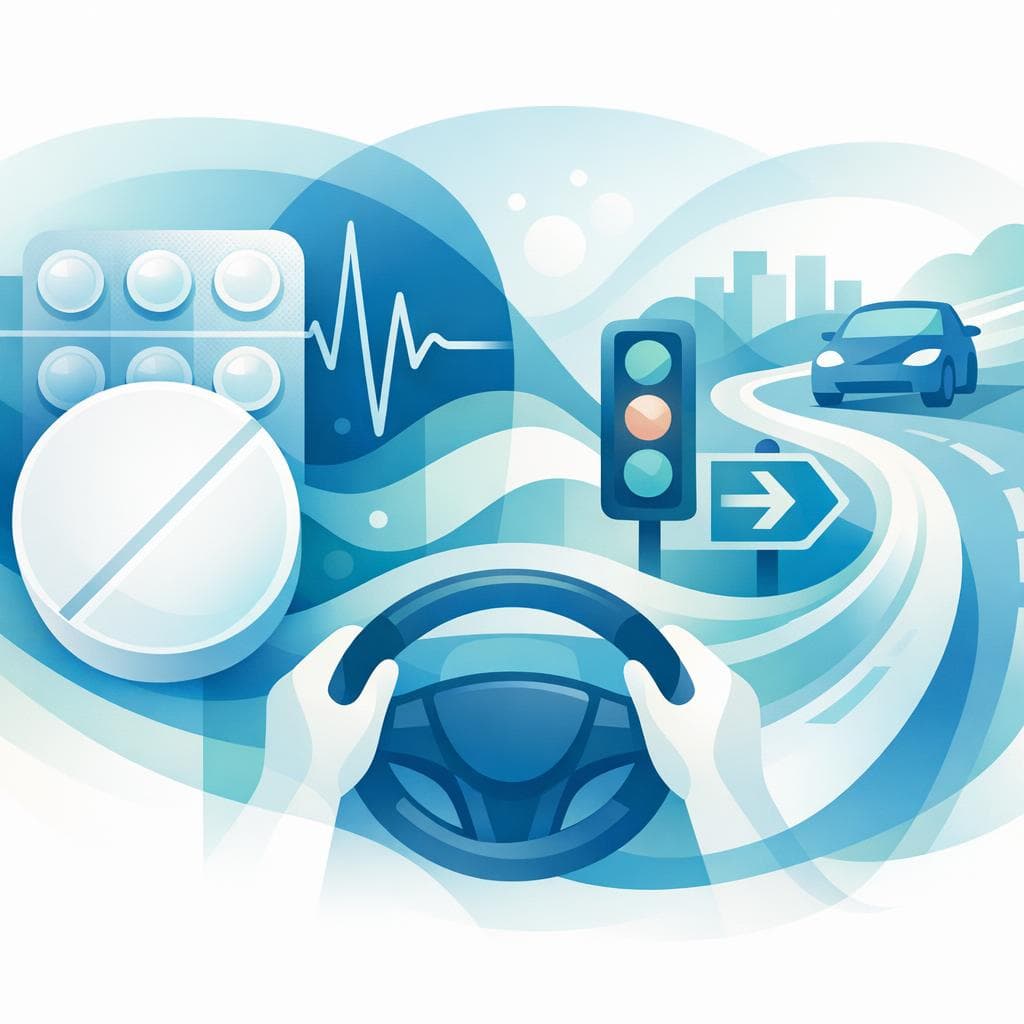
Driving Safety on Aspirin: What You Should Know
Most people can drive safely while taking standard-dose or low‑dose aspirin (acetylsalicylic acid). Aspirin itself is not a sedative and does not typically impair alertness or reaction time. However, a few important precautions help keep you safe, especially if you experience side effects or take aspirin combined with other drugs.
Key Takeaway
- Driving is generally safe on aspirin alone if you feel well and alert. [1]
- Avoid driving if you feel dizzy, lightheaded, or unusually drowsy, and be extra cautious when standing up quickly. [1]
When Driving May Not Be Safe
- Dizziness or lightheadedness: Aspirin can occasionally cause dizziness or a feeling of sluggishness, which can affect driving safety. If this happens, wait until symptoms settle and stand up slowly to reduce lightheadedness. [1]
- Combination products that include sedatives or opioids: Some prescription or combination medicines pair aspirin with codeine, butalbital, carisoprodol, or oxycodone. These can cause drowsiness and reduced alertness, and you should not drive until you know how they affect you and you feel fully alert. [2] [3] [4] [5]
- Aspirin with dipyridamole: This antiplatelet combination can cause dizziness or faintness, especially when rising quickly; use caution with driving if you notice these symptoms. [6]
Practical Precautions Before You Drive
- Check how you feel: If you notice dizziness, unusual tiredness, or sluggishness, postpone driving until you feel normal. Getting up slowly from sitting or lying down can help prevent lightheadedness. [1] [6]
- Avoid alcohol before driving: Alcohol can worsen drowsiness with certain aspirin combinations (e.g., with butalbital or codeine) and increases bleeding risk; do not drive if you’ve been drinking. [5] [7]
- Know your medication: If your aspirin is part of a combination that includes a sedative or opioid (names often include “codeine,” “butalbital,” “carisoprodol,” or “oxycodone”), do not drive until you are sure you remain alert on the medication. [2] [3] [4] [5]
- Rise slowly: To reduce “head rush” or faintness, stand up gradually and pause before walking or driving. [1] [6]
Bleeding Considerations That Indirectly Affect Driving
Aspirin thins the blood by reducing platelet function and can increase bleeding, especially if combined with other NSAIDs (like ibuprofen or naproxen) or blood thinners. While this doesn’t directly impair driving, it matters for safety if you have an injury or recent surgery. Avoid mixing aspirin with other NSAIDs unless advised, and use seatbelts and caution to minimize trauma risks. [8] [7]
Specific Situations
- Low‑dose aspirin (81 mg): Commonly used for heart protection and generally does not impair driving; still monitor for dizziness. [9] [1]
- High doses or overdose: Signs like tinnitus (ringing), sweating, weakness, and marked dizziness suggest toxicity do not drive and seek medical help. [10]
- Cold/flu combinations with aspirin: Products that add antihistamines or cough suppressants can cause drowsiness; be cautious with driving. [11] [12]
- Pregnancy: Aspirin late in pregnancy has special risks; follow clinician guidance and avoid any driving if you feel unwell. [7]
Quick Reference: Drive or Don’t Drive?
- Aspirin alone, you feel normal: Okay to drive. [1]
- Dizziness, lightheadedness, unusual drowsiness: Wait until symptoms resolve. [1]
- Aspirin + codeine/oxycodone/butalbital/carisoprodol: Do not drive until you know you’re fully alert. [2] [3] [4] [5]
- Aspirin + dipyridamole with dizziness: Use caution or avoid driving. [6]
- After alcohol with aspirin combinations: Do not drive. [5]
Bottom Line
- Aspirin by itself usually does not affect driving ability, but listen to your body and delay driving if you feel dizzy, lightheaded, or drowsy. [1]
- Be cautious with combination products that include sedating drugs (opioids, barbiturates, muscle relaxants) and with alcohol, as these can impair driving safety. [2] [3] [4] [5]
- Avoid combining aspirin with other NSAIDs unless your clinician advises, due to added bleeding risk; while not a direct driving impairment, it’s an important safety consideration. [8] [7]
Related Questions
Related Articles



Sources
- 1.^abcdefghiAspirin (oral route) - Side effects & dosage(mayoclinic.org)
- 2.^abcdBUTALBITAL, ASPIRIN, CAFFEINE AND CODEINE PHOSPHATE capsule(dailymed.nlm.nih.gov)
- 3.^abcdOxycodone and aspirin (oral route) - Side effects & dosage(mayoclinic.org)
- 4.^abcdCarisoprodol, aspirin, and codeine (oral route) - Side effects & dosage(mayoclinic.org)
- 5.^abcdefAspirin, Butalbital, and Caffeine: MedlinePlus Drug Information(medlineplus.gov)
- 6.^abcdAspirin and dipyridamole (oral route) - Side effects & dosage(mayoclinic.org)
- 7.^abcdAspirin (oral route) - Side effects & dosage(mayoclinic.org)
- 8.^abDaily aspirin therapy: Understand the benefits and risks(mayoclinic.org)
- 9.^↑Should you take a daily aspirin for your heart?(mayoclinic.org)
- 10.^↑AGGRENOX- aspirin and dipyridamole capsule(dailymed.nlm.nih.gov)
- 11.^↑ALKA-SELTZER PLUS SEVERE COLD AND COUGH POWERFAST FIZZ- aspirin, chlorpheniramine maleate, dextromethorphan hydrobromide, phenylephrine bitartrate tablet, effervescent(dailymed.nlm.nih.gov)
- 12.^↑ALKA-SELTZER PLUS SEVERE COLD AND COUGH POWERFAST FIZZ- aspirin, chlorpheniramine maleate, dextromethorphan hydrobromide, phenylephrine bitartrate tablet, effervescent(dailymed.nlm.nih.gov)
Important Notice: This information is provided for educational purposes only and is not intended to replace professional medical advice, diagnosis, or treatment. Always consult with a qualified healthcare provider before making any medical decisions.