
 Persly Medical Team
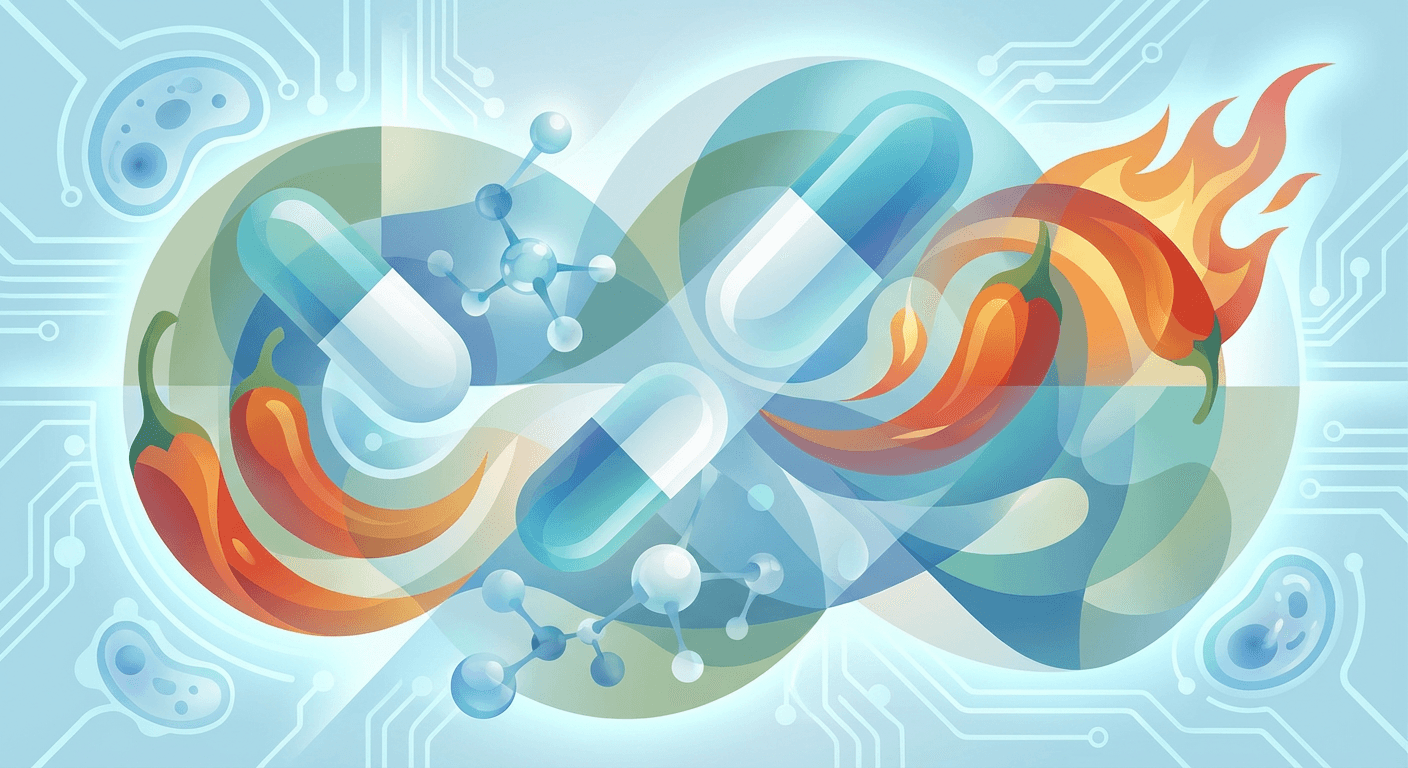
Can I eat spicy food while taking amoxicillin, or could it reduce the antibiotic’s effectiveness or worsen stomach side effects?
Spicy foods do not reduce amoxicillin’s effectiveness, and you can take it with or without food. If spicy meals worsen stomach upset, take doses with a light meal or choose milder foods. For amoxicillin–clavulanate, taking with food is advised to improve tolerability.
You can generally eat spicy food while taking amoxicillin, because typical foods including spicy dishes do not reduce amoxicillin’s effectiveness. [1] Amoxicillin is well absorbed by mouth whether you take it with food or without, so its antibiotic action is not expected to be weakened by meals. [1] If you experience nausea or stomach upset, taking your dose with food can help ease those symptoms. [2]
How amoxicillin interacts with food
- Amoxicillin stays stable in stomach acid and is rapidly absorbed after oral dosing. [3] In studies, giving amoxicillin with a light meal did not meaningfully change how much of the drug gets into your bloodstream. [3]
- Older pharmacokinetic research comparing fasting vs. fed states found little or no difference in amoxicillin absorption, supporting flexible use with or without food. [1]
Spicy food and stomach side effects
- Spicy foods (pepper/capsaicin) do not have a known interaction that blocks amoxicillin absorption or reduces its effect. [1]
- However, spicy foods can irritate a sensitive stomach in some people, which may make antibiotic‑related nausea or indigestion feel worse. While this is not a drug interaction, it can add discomfort. Taking amoxicillin with a snack or meal often reduces stomach upset. [2]
Practical tips to minimize stomach upset
- Consider taking amoxicillin with a light meal or snack if you notice nausea. [2]
- If spicy food tends to bother your stomach, you might temporarily choose milder meals until you feel better, even though it won’t impact antibiotic efficacy.
- Stay hydrated and avoid heavy alcohol use, which can increase GI irritation.
- If diarrhea becomes severe or lasts more than 2–3 days, contact your clinician, as this can signal antibiotic-associated issues that may need attention. [4] [5]
What about amoxicillin–clavulanate?
- If you happen to be on amoxicillin combined with clavulanate, taking doses with a meal or snack is commonly advised to reduce gastrointestinal side effects such as nausea or diarrhea. [4] [5] This guidance is about comfort and tolerability rather than drug effectiveness. [4] [5]
Key takeaways
- Amoxicillin efficacy is not reduced by eating, including spicy meals. [1]
- It’s reasonable to eat your normal diet; adjust spiciness based on your own stomach comfort.
- Taking amoxicillin with food can lessen stomach upset if you’re prone to it. [2]
Evidence snapshots
- Amoxicillin absorption is reliable in both fasting and fed states, with similar peak levels and overall exposure. [1]
- Amoxicillin is acid-stable and rapidly absorbed; labeling acknowledges administration at the start of a light meal in studied formulations. [3]
- Patient guidance notes you may take amoxicillin with food to prevent stomach upset. [2]
- For amoxicillin–clavulanate, dosing with a meal or snack is suggested to reduce GI upset. [4] [5]
Related Questions
Related Articles


Sources
- 1.^abcdefPharmacokinetics of amoxicillin and ampicillin: crossover study of the effect of food.(pubmed.ncbi.nlm.nih.gov)
- 2.^abcdeAmoxicillin: MedlinePlus Drug Information(medlineplus.gov)
- 3.^abcDailyMed - AMOXICILLIN tablet, coated(dailymed.nlm.nih.gov)
- 4.^abcdAMOXICILLIN AND CLAVULANATE POTASSIUM for suspension(dailymed.nlm.nih.gov)
- 5.^abcdAMOXICILLIN AND CLAVULANATE POTASSIUM tablet, multilayer, extended release(dailymed.nlm.nih.gov)
Important Notice: This information is provided for educational purposes only and is not intended to replace professional medical advice, diagnosis, or treatment. Always consult with a qualified healthcare provider before making any medical decisions.