
 Persly Medical Team
Smoking and Thyroid Cancer: Risks and Why Quitting Helps
Smoking and Thyroid Cancer: What We Know and Why Quitting Matters
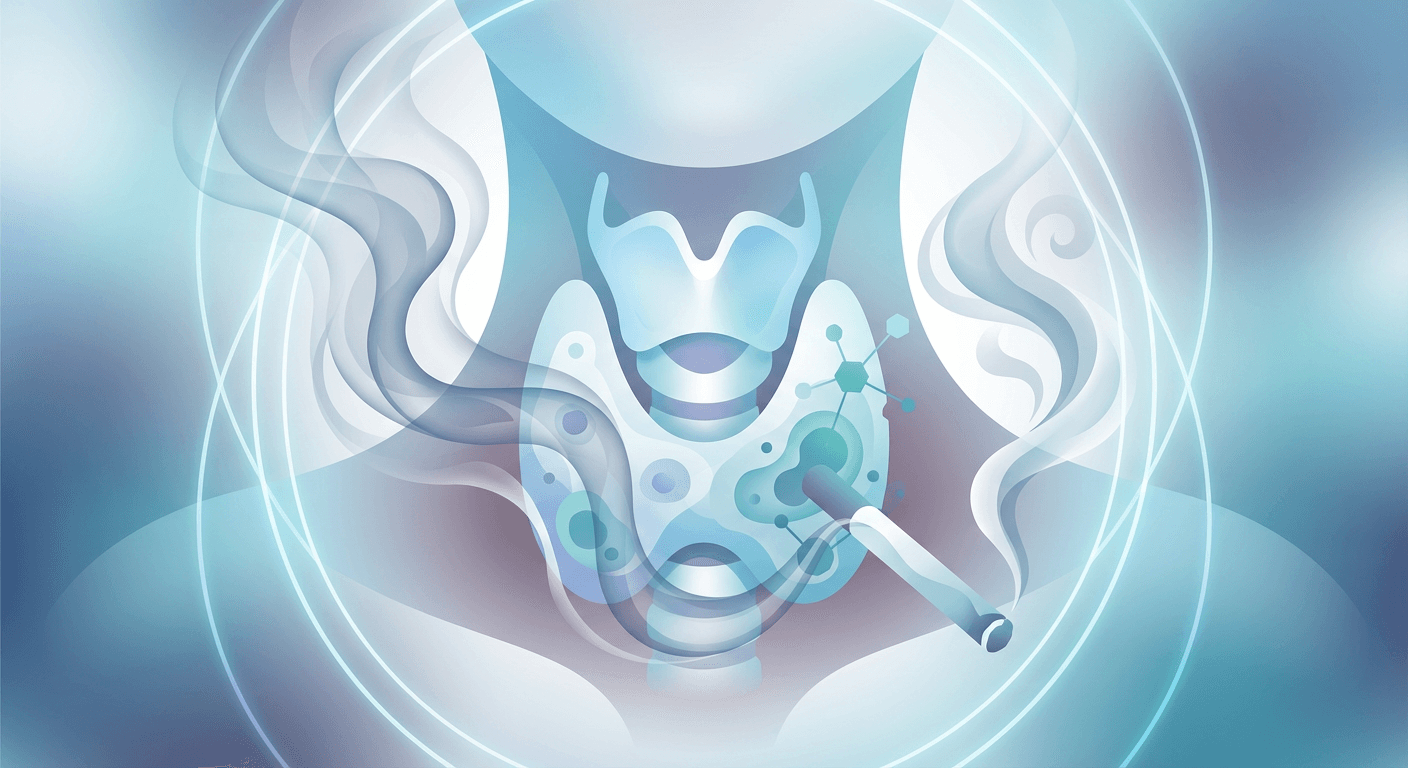
Short answer: Smoking is not a clear risk factor for thyroid cancer; some studies even suggest a lower incidence in smokers, but this does not translate into a health benefit. Smoking increases overall cancer complications, worsens treatment tolerance and healing, and raises the risk of other serious cancers, so quitting is strongly recommended. [1] [2]
Thyroid Cancer Risk and Smoking
- Incidence (chance of getting thyroid cancer): The relationship between smoking and thyroid cancer risk is not straightforward. Some observational data have reported lower thyroid cancer risk among smokers, potentially through effects on thyroid-stimulating hormone (TSH), but the protective effect if any appears very small and is outweighed by the harms of tobacco. [1]
- Major established thyroid cancer risk factors are different: Age, sex (more common in women), family history, and radiation exposure to the head and neck are the more consistent risk factors reported by major centers. Smoking is not listed as a primary risk factor. [3] [4]
Treatment Outcomes and Prognosis
- Overall cancer outcomes: For people diagnosed with any cancer, continuing to smoke is linked to higher all‑cause mortality, higher cancer‑specific mortality, more treatment side effects, and increased risk of a second primary cancer. These effects apply across cancers and can impact recovery and long‑term health in thyroid cancer care, even if thyroid cancer itself is often highly treatable. [2] [5] [6]
- Surgery and healing: Smoking impairs wound healing and increases anesthesia and respiratory risks, which can complicate thyroid surgery recovery and increase postoperative complications. While thyroid cancer often has excellent outcomes, smoking can make treatment less effective and recovery harder. [2] [5]
Related Thyroid Conditions Impacted by Smoking
- Thyroid eye disease (TED) in Graves’ disease: Smoking raises the risk of developing TED and makes it harder to treat, so cessation is considered an essential part of TED management. This is relevant for people with autoimmune thyroid conditions that can coexist with or be evaluated alongside thyroid nodules. [7] [8] [9]
Should Patients Quit Smoking?
Yes strongly. Even if smoking’s direct link to thyroid cancer risk is uncertain, the harms of smoking far exceed any potential, small reduction in thyroid cancer incidence. Quitting decreases complications from cancer therapies, improves healing after surgery, and lowers the chance of developing other serious cancers (like lung and laryngeal cancers). [1] [2] [10]
Practical Steps to Quit
- Discuss cessation aids: Medications, nicotine replacement (patch, gum, lozenges), and behavioral counseling significantly increase success rates. Your care team can tailor a plan to your medical situation. [10]
- Use available support services: National and local quitlines and digital programs provide coaching and follow-up to maintain abstinence. Support is especially important during the stress of a cancer diagnosis and treatment. [10]
Quick Comparison: Smoking’s Role in Thyroid Cancer
| Topic | What evidence shows | Implication |
|---|---|---|
| Incidence risk | Relationship is unclear; some studies suggest lower incidence among smokers, likely via hormonal effects, but benefit is minimal. [1] | Do not rely on smoking as “protection”; harms far outweigh any signal. |
| Major risk factors | Age, sex, family history, radiation exposure are consistent risk factors; smoking is not primary. [3] [4] | Focus on established risk factors and appropriate screening/treatment. |
| Treatment outcomes | Smoking worsens survival, increases treatment toxicity, and raises second cancer risks across cancers. [2] | Quitting improves overall outcomes and safety of care. |
| Surgical recovery | Smoking impairs wound healing and recovery after head/neck procedures. [2] | Cessation reduces surgical risk and speeds recovery. |
| Autoimmune thyroid (TED) | Smoking increases risk and severity; cessation is part of care. [7] [8] [9] | Stop smoking to protect eye and thyroid-related health. |
Bottom Line
- Smoking is not a proven major driver of thyroid cancer, but it clearly worsens overall cancer outcomes and increases risks with treatment and recovery. [3] [4] [2]
- Quitting smoking is one of the most effective steps you can take to improve your safety during thyroid cancer care and your long‑term health. [2] [10]
- Even if the thyroid cancer is small and highly treatable, stopping smoking reduces complications and supports better healing. [5] [6]
Related Questions
Related Articles


Sources
- 1.^abcd국가암정보센터(cancer.go.kr)
- 2.^abcdefghIASLC | International Association for the Study of Lung Cancer(iaslc.org)
- 3.^abcThyroid Cancer(stanfordhealthcare.org)
- 4.^abcThyroid cancer - Symptoms and causes(mayoclinic.org)
- 5.^abcThyroid cancer - Diagnosis and treatment(mayoclinic.org)
- 6.^abThyroid cancer FAQs(mayoclinic.org)
- 7.^abGraves' disease - Symptoms and causes(mayoclinic.org)
- 8.^abRisk Factors(stanfordhealthcare.org)
- 9.^abSymptoms(stanfordhealthcare.org)
- 10.^abcdThroat cancer - Diagnosis and treatment(mayoclinic.org)
Important Notice: This information is provided for educational purposes only and is not intended to replace professional medical advice, diagnosis, or treatment. Always consult with a qualified healthcare provider before making any medical decisions.