
 Persly Medical Team
Based on PubMed | Does drinking coffee worsen symptoms of polycystic ovary syndrome?
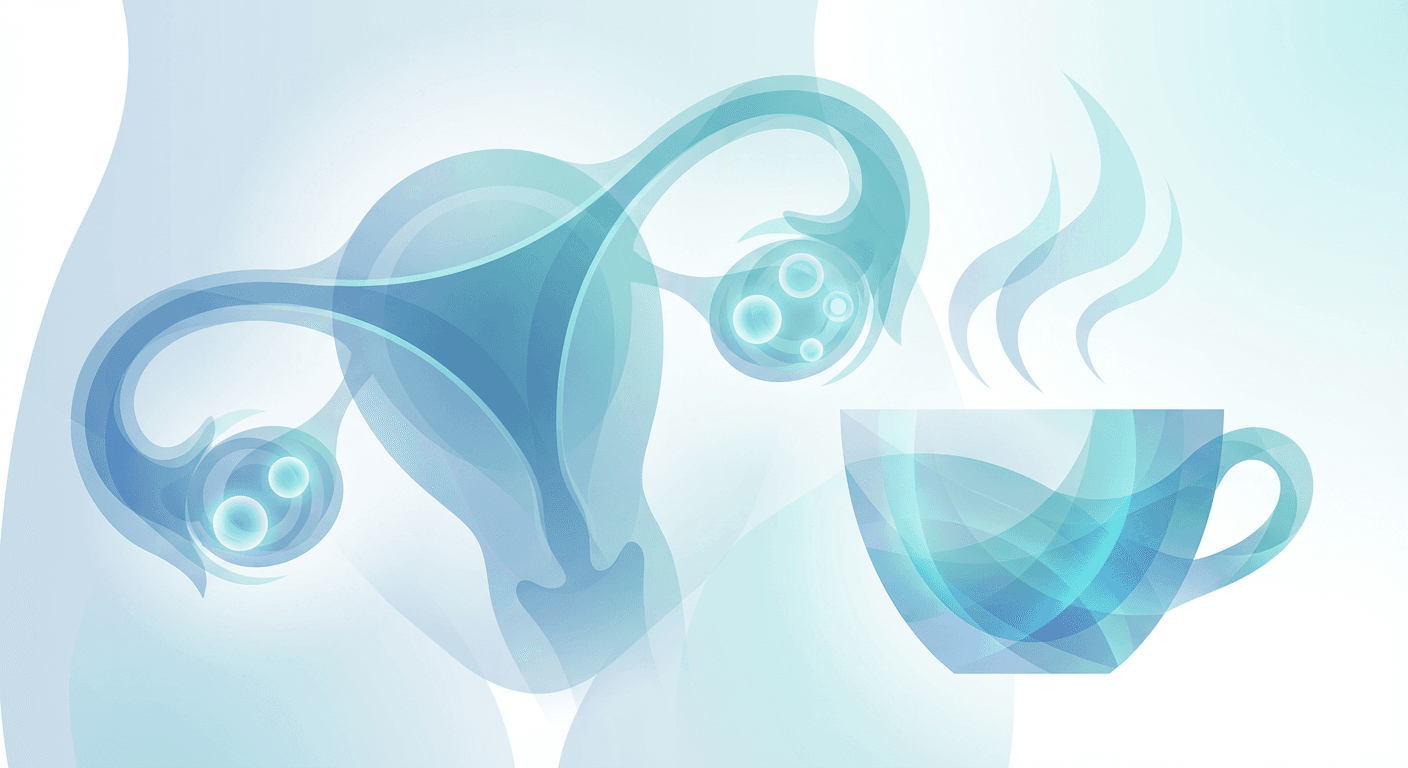
Moderate coffee intake (about 1–2 cups/day) doesn’t appear to universally worsen PCOS symptoms, though evidence is limited and mixed. Caffeine can acutely reduce insulin sensitivity, so those with insulin resistance may benefit from limiting dose, timing coffee with meals, or trying decaf; prioritize overall diet and lifestyle.
Coffee does not appear to universally worsen PCOS symptoms, but its effects can vary by person and by what symptoms you’re watching. Evidence in people with PCOS is limited and mixed; most data come from general populations, small trials, and nutrition studies, so recommendations are best individualized. Moderate coffee intake (about 1–2 small cups/day) is generally considered safe for most adults and may not meaningfully change hormones or fertility, but higher caffeine can acutely reduce insulin sensitivity, which matters for many with PCOS. [1] [2]
What the evidence suggests
-
Hormones and SHBG (sex hormone binding globulin)
- In a small randomized trial in healthy overweight adults, neither caffeinated nor decaffeinated coffee consistently changed SHBG or sex hormones at 8 weeks; some transient shifts were seen at 4 weeks, but results were not consistent and sample size was small. Overall, coffee did not show a clear, sustained hormonal effect. [3]
- In large observational data on women without PCOS, higher caffeine or coffee intake was linked to lower luteal estradiol in premenopausal women and higher SHBG in postmenopausal women, but these are associations and not PCOS‑specific. These findings do not prove harm and may not translate directly to PCOS. [4]
-
Ovulation and fertility
- In a large prospective cohort of women trying to conceive, total caffeine intake was not related to ovulatory infertility, while soft drink intake (both caffeinated and non‑caffeinated) was associated with higher ovulatory disorder infertility risk, hinting that factors other than caffeine (e.g., sweeteners) may be involved. Coffee itself was not linked to impaired ovulation in this study. [5]
-
Insulin resistance and glucose control
-
Dietary patterns in PCOS
What this means for PCOS symptoms
- Menstrual regularity and ovulation: There is no strong evidence that moderate coffee intake worsens cycle irregularity or ovulatory function in PCOS. Large data in the general population do not link total caffeine to ovulatory infertility. [5]
- Androgen‑related symptoms (acne, hirsutism): Trials do not show a consistent effect of coffee on testosterone or SHBG in women, making a direct worsening of acne or hair growth from coffee unlikely in most. Any effect, if present, seems small and inconsistent. [3]
- Metabolic symptoms (insulin resistance, weight): Caffeine can transiently reduce insulin sensitivity, which could matter if you struggle with post‑meal glucose, cravings, or energy dips. Those with significant insulin resistance may feel better with lower caffeine or by timing coffee apart from high‑carb meals. [2] [6]
- Anxiety, sleep, and cravings: Caffeine can worsen sleep, palpitations, or anxiety in some, which may indirectly affect weight and glucose control. If you notice sleep disruption, consider cutting back or avoiding caffeine later in the day. [10] [1]
Practical guidance
- Reasonable intake: General dietary guidance suggests limiting caffeine to under about 200 mg/day for individuals who may be more sensitive roughly 1–2 small cups (6–8 oz) of brewed coffee. This level is often well‑tolerated and unlikely to meaningfully worsen PCOS for most. [1]
- Timing and food pairing: Because caffeine can impair insulin sensitivity acutely, try:
- Having coffee with or after a protein‑ and fiber‑rich meal rather than on an empty stomach.
- Avoiding coffee right before glucose‑heavy meals if you notice post‑meal crashes. These strategies may blunt glucose spikes. [2]
- Choose coffee over sugary drinks: If you drink caffeine, plain coffee (or with minimal milk/unsweetened alternatives) is preferable to sugary soft drinks or sweet coffee beverages. Sugary soft drinks have been linked to ovulatory disorder infertility irrespective of caffeine content. [5]
- Consider decaf trials: Some people feel better metabolically and with sleep when switching part or all of their coffee to decaf; decaf still contains small amounts of caffeine but much less than regular coffee. A short self‑trial can clarify your personal response. [11]
- Watch your symptoms: If you notice more acne flares, jitteriness, sugar cravings, or worse sleep around coffee use, consider reducing intake, switching to smaller servings, or moving your last cup earlier in the day. Gradual cutbacks help avoid withdrawal headaches. [11] [1]
PCOS care remains holistic
PCOS is driven by a mix of genetics, higher androgens, and insulin resistance; obesity can worsen complications, and lifestyle changes especially weight management, regular activity, and balanced, lower‑glycemic eating are core to symptom control. Focusing on overall diet quality, fiber, protein, and limiting refined carbs and sugary drinks has stronger evidence than eliminating coffee. [12] [13] [14]
Quick comparison: caffeine considerations in PCOS
| Topic | What we know | Practical take |
|---|---|---|
| Ovulation/fertility | Total caffeine not linked to ovulatory infertility; sugary soft drinks are associated with risk | Prefer coffee/tea over sodas; keep caffeine moderate [5] |
| Androgens/SHBG | Small RCT showed no consistent sustained hormone changes from coffee | Unlikely to markedly worsen acne/hirsutism for most [3] |
| Insulin sensitivity | Caffeine acutely reduces insulin sensitivity in a dose‑dependent way | Limit dose, time coffee with protein/fiber meals [2] |
| Overall diet in PCOS | No major caffeine intake differences vs. controls | Diet pattern matters more than caffeine itself [8] [9] |
| General limit | Sensible cap around <200 mg/day if sensitive | About 1–2 small cups/day is a reasonable target for many [1] |
Bottom line
- There isn’t strong evidence that moderate coffee intake worsens PCOS for most people. If you’re sensitive to caffeine or have significant insulin resistance, you may feel better with lower amounts, careful timing, or decaf. [2] [1]
- Put your main energy into the habits with the biggest payoff for PCOS weight management if needed, consistent exercise, and a balanced, lower‑glycemic diet while keeping coffee modest and monitoring your personal response. This approach aligns with core PCOS management principles. [14] [7]
Related Questions
Related Articles
Sources
- 1.^abcdefCaffeine in the diet: MedlinePlus Medical Encyclopedia(medlineplus.gov)
- 2.^abcdefCaffeine ingestion impairs insulin sensitivity in a dose-dependent manner in both men and women.(pubmed.ncbi.nlm.nih.gov)
- 3.^abcThe effects of caffeinated and decaffeinated coffee on sex hormone-binding globulin and endogenous sex hormone levels: a randomized controlled trial.(pubmed.ncbi.nlm.nih.gov)
- 4.^↑Relationship between caffeine intake and plasma sex hormone concentrations in premenopausal and postmenopausal women.(pubmed.ncbi.nlm.nih.gov)
- 5.^abcdCaffeinated and alcoholic beverage intake in relation to ovulatory disorder infertility.(pubmed.ncbi.nlm.nih.gov)
- 6.^abPolycystic Ovary Syndrome(medlineplus.gov)
- 7.^abPolycystic Ovary Syndrome(medlineplus.gov)
- 8.^abDiet composition and physical activity in overweight and obese premenopausal women with or without polycystic ovary syndrome.(pubmed.ncbi.nlm.nih.gov)
- 9.^abDietary habits and their relationship with hormones and metabolism in overweight and obese women with polycystic ovary syndrome.(pubmed.ncbi.nlm.nih.gov)
- 10.^↑Caffeine in the diet: MedlinePlus Medical Encyclopedia(medlineplus.gov)
- 11.^abCaffeine: How much is too much?(mayoclinic.org)
- 12.^↑Polycystic ovary syndrome (PCOS) - Symptoms and causes(mayoclinic.org)
- 13.^↑Polycystic ovary syndrome (PCOS) - Symptoms and causes(mayoclinic.org)
- 14.^abLifestyle Changes for Polycystic Ovary Syndrome(nyulangone.org)
Important Notice: This information is provided for educational purposes only and is not intended to replace professional medical advice, diagnosis, or treatment. Always consult with a qualified healthcare provider before making any medical decisions.