
 Persly Medical Team
Based on PubMed | Does eating bread increase the risk of melanoma?
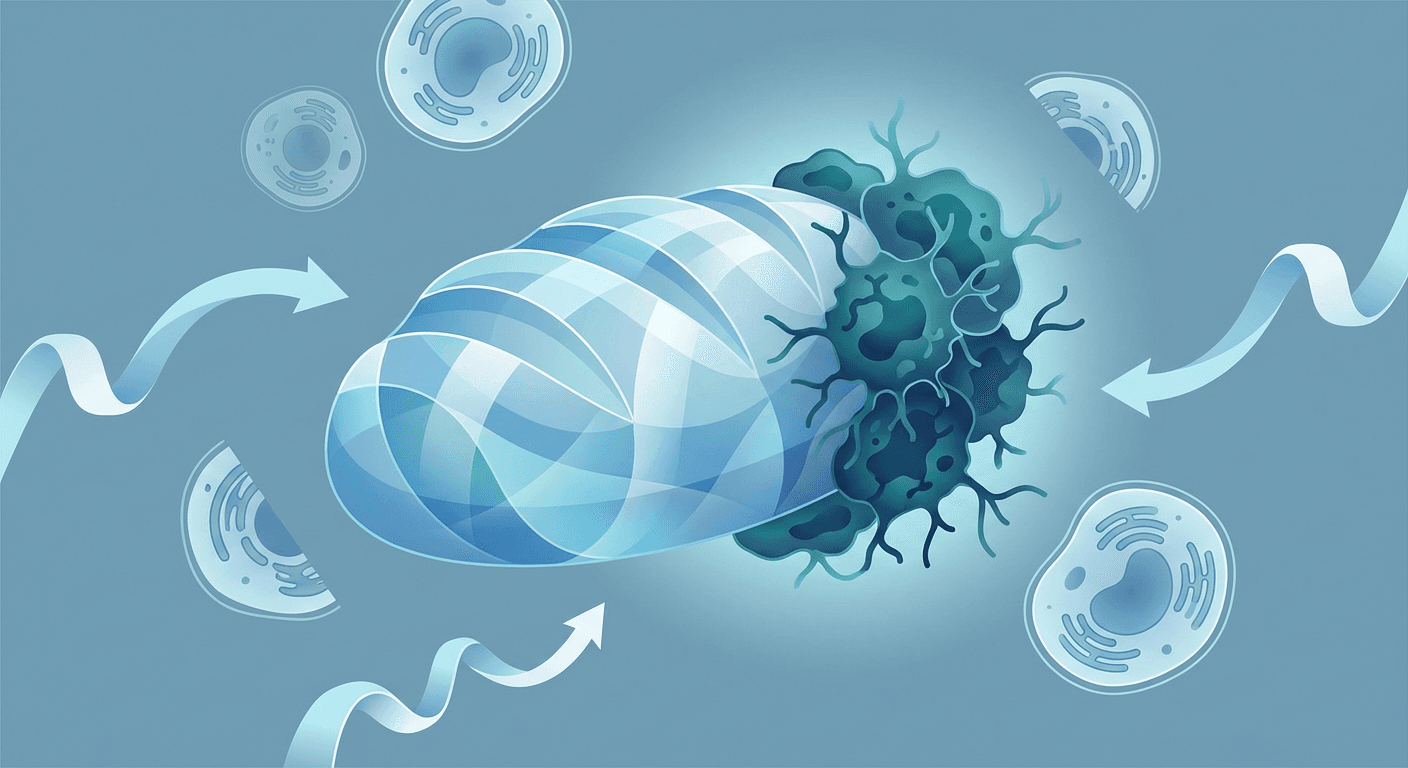
There’s no evidence that eating bread increases melanoma risk. UV radiation from the sun and tanning beds is the primary driver of melanoma, so sun protection is key. Healthy eating (favoring whole over refined grains) supports overall health but isn’t a specific melanoma prevention strategy.
Eating bread is not known to increase the risk of melanoma. The strongest and most consistent cause of melanoma is exposure to ultraviolet (UV) radiation from the sun and indoor tanning, along with personal factors like fair skin, many or atypical moles, and family history. [1] [2] In large reviews of melanoma risk, diet is not listed as a primary driver, and UV protection remains the key prevention strategy. [1] [3]
What the evidence says about diet and melanoma
- Broad cancer-prevention guidance recommends a plant‑forward diet (vegetables, fruits, legumes, and whole grains) and limiting refined grains and added sugars to support overall cancer risk reduction, but these recommendations are general to cancer and not specific to melanoma. [4] [5]
- Case‑control and cohort research evaluating diet and skin cancers has found mixed or null associations for specific foods, and several studies have not shown a clear link between dietary factors and melanoma risk. [6] [7]
- Some observational work suggests that dietary patterns rich in whole grains and lower in refined grains may be favorable for overall cancer risk, but this does not establish that bread (or gluten) specifically affects melanoma risk. [8] [9]
Gluten, celiac disease, and melanoma
- People sometimes worry that gluten (a protein in wheat, barley, and rye) or gluten-related immune reactions might influence melanoma risk. A large population-based study in Sweden found no increased risk of cutaneous malignant melanoma among individuals with biopsy-confirmed celiac disease compared with matched controls. [10] This suggests that even in a group with a heightened immune response to gluten, melanoma risk was not elevated. [11]
The main modifiable risks for melanoma
- UV exposure from sunlight and tanning beds is the primary, well-established cause of melanoma. Repeated, intense UV exposure and a history of blistering sunburns raise risk. [1] [2]
- Key prevention steps include seeking shade, avoiding indoor tanning, wearing protective clothing, and using broad‑spectrum sunscreen SPF 30+ with proper and repeated application. [2] [3]
Practical takeaways
- There is no solid evidence that eating bread increases melanoma risk. [6] [7]
- For overall cancer prevention and cardiometabolic health, favor whole grains over refined grains, plenty of vegetables and fruits, and limit added sugars and highly processed foods. [4] [5]
- To lower melanoma risk specifically, prioritize UV protection year‑round and perform regular skin self-checks, seeking medical review of any changing or new lesions. [1] [3]
Quick reference table
| Topic | What is known | What to do |
|---|---|---|
| Bread/refined grains and melanoma | No consistent evidence that bread increases melanoma risk; diet is not a primary melanoma driver. [6] [7] | You don’t need to avoid bread for melanoma prevention; consider choosing whole grains for general health. [4] |
| Gluten/celiac disease and melanoma | Large population study showed no increased melanoma risk in celiac disease. [10] | Gluten avoidance is not a melanoma prevention strategy unless medically indicated for celiac disease. |
| Primary melanoma risks | UV radiation from sun/tanning beds; fair skin; numerous/atypical moles; family history. [1] [2] | Sun safety: shade, no tanning beds, protective clothing, broad‑spectrum SPF 30+, reapply every 2 hours. [2] [3] |
If you have specific dietary patterns or skin risk factors you’re concerned about, focusing on UV protection and regular skin checks will generally make the biggest difference for melanoma risk. [1] [3]
Related Questions
Related Articles
Sources
- 1.^abcdefMelanoma(mskcc.org)
- 2.^abcdeMelanoma Risk Factors, Causes & Prevention(mskcc.org)
- 3.^abcdeMelanoma Risk Factors, Causes & Prevention(mskcc.org)
- 4.^abc7 healthy habits that can lower your risk of cancer(mayoclinic.org)
- 5.^abDiet and cancer: MedlinePlus Medical Encyclopedia(medlineplus.gov)
- 6.^abcThe Danish case-control study of cutaneous malignant melanoma. IV. No association with nutritional factors, alcohol, smoking or hair dyes.(pubmed.ncbi.nlm.nih.gov)
- 7.^abcDietary glycemic index, glycemic load, and risk of cancer: a prospective cohort study.(pubmed.ncbi.nlm.nih.gov)
- 8.^↑Selected aspects of Mediterranean diet and cancer risk.(pubmed.ncbi.nlm.nih.gov)
- 9.^↑Association between Mediterranean dietary patterns and cancer risk.(pubmed.ncbi.nlm.nih.gov)
- 10.^abRisk of cutaneous malignant melanoma in patients with celiac disease: a population-based study.(pubmed.ncbi.nlm.nih.gov)
- 11.^↑Risk of cutaneous malignant melanoma in patients with celiac disease: a population-based study.(pubmed.ncbi.nlm.nih.gov)
Important Notice: This information is provided for educational purposes only and is not intended to replace professional medical advice, diagnosis, or treatment. Always consult with a qualified healthcare provider before making any medical decisions.