
 Persly Medical Team
Can lung cancer patients eat chocolate safely?
Chocolate and Lung Cancer: Safety, Benefits, and Practical Tips
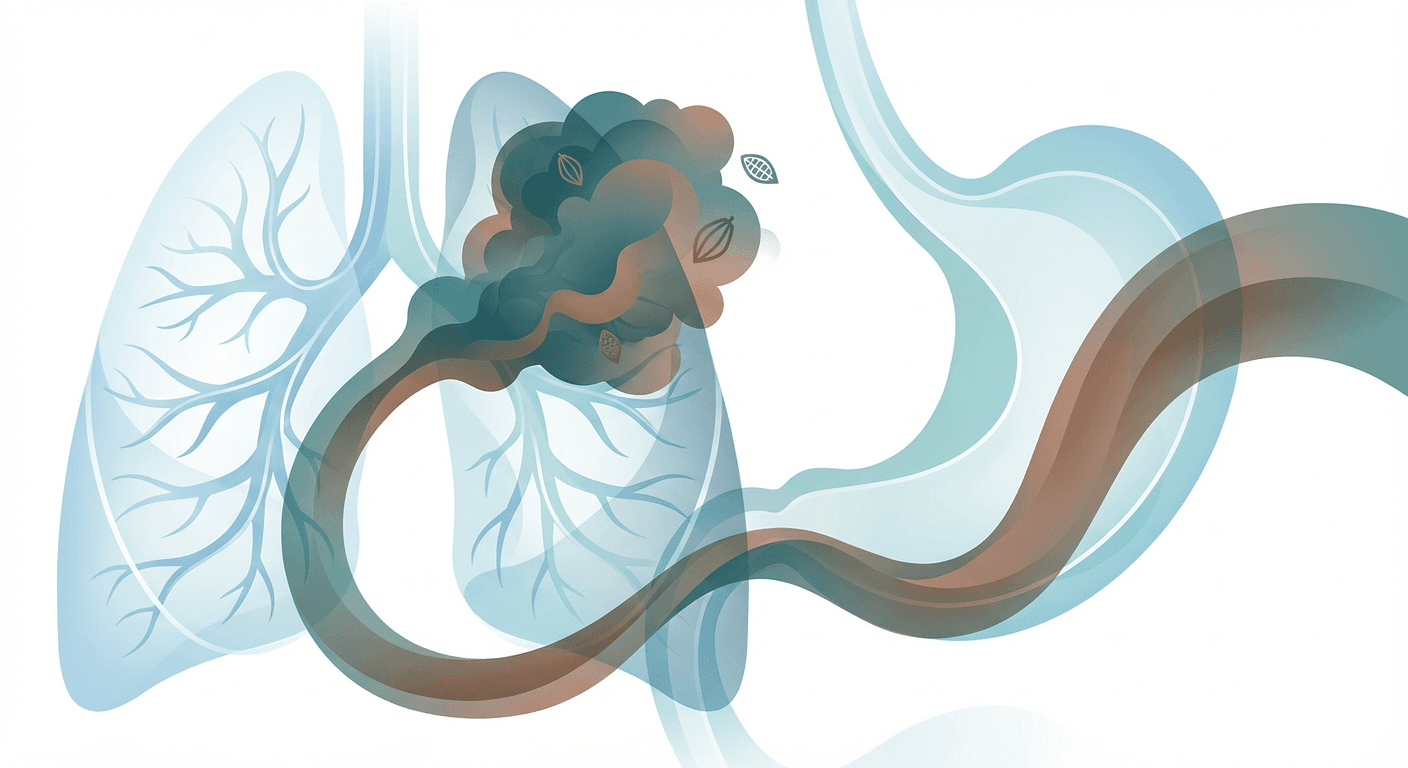
Most people living with lung cancer can safely eat chocolate in moderation as part of a balanced diet, unless chocolate worsens specific symptoms like reflux or mouth sores. National guidance notes that lung cancer generally isn’t strongly linked to particular foods and that you usually don’t need to drastically change your diet eating according to your usual preferences is acceptable while aiming for balanced nutrition. [1] Eating a varied, balanced diet supports recovery, helps manage treatment side effects, and promotes overall metabolic health. [1]
What the guidelines say
- Lung cancer is generally not closely related to particular foods, so large dietary changes aren’t routinely required; eating according to your normal taste while keeping meals balanced is reasonable. [2] [1] [3] [4] [5]
- Balanced nutrition (adequate protein, fruits, vegetables, and calories) helps the body recover and can minimize side effects from surgery, chemotherapy, or radiation. [2] [1] [3] [4] [5]
- When specific symptoms are present (for example, reflux, diarrhea, mouth sores), some foods including chocolate may need to be limited if they aggravate symptoms; adjustments are symptom‑based rather than blanket bans. [6] [7] [8]
Potential benefits and considerations of chocolate
- Cocoa contains flavanols (like epicatechin) with antioxidant and anti‑inflammatory properties, which have shown anti‑cancer activity in laboratory and animal models, including effects on lung cancer cells and reduced lung tumors in rats; however, these findings do not prove clinical benefit in humans. [9] [10] [11]
- Dark chocolate has less sugar and more cocoa flavanols than milk chocolate, which may be a better choice if you’d like to include chocolate while watching overall nutrition. (Evidence of human outcome benefit in lung cancer remains limited and mixed.) [11]
When chocolate might not be ideal
- Acid reflux or heartburn: Chocolate can worsen reflux in some people due to fat content and methylxanthines; nutrition guidance suggests avoiding chocolate if it aggravates reflux. [6]
- Diarrhea during chemotherapy or immunotherapy: Caffeine‑containing items may worsen diarrhea; recommendations include avoiding caffeinated drinks during flares, and chocolate can contain caffeine and theobromine. [7] [8]
- Mouth sores (oral mucositis): High‑acid, spicy, or rough‑textured foods can be irritating; choose soft, bland options if sores are present and avoid foods that sting or burn. [7]
- Nausea: Rich, high‑fat sweets may trigger nausea; bland, lower‑fat, room‑temperature foods are often better tolerated during episodes. [7]
Practical tips for including chocolate
- Moderation matters: A small piece of dark chocolate (for example, 10–20 g) can fit into a balanced day without displacing protein and nutrient‑dense foods. [2] [1]
- Choose types wisely: Prefer dark chocolate with higher cocoa and lower sugar; avoid chocolate if you notice reflux or diarrhea worsens after eating it. [6] [7] [8]
- Timing and pairing: Eat chocolate after meals rather than on an empty stomach to reduce reflux risk, and pair it with protein (like yogurt) to help satiety. [6]
- Symptom‑guided adjustments: If you are experiencing mouth sores, diarrhea, or notable reflux, temporarily limit or avoid chocolate until symptoms settle, then re‑introduce slowly to test tolerance. [7] [8] [6]
- Food safety during treatment: Prefer sealed, shelf‑stable chocolate products and avoid unrefrigerated cream‑filled pastries to reduce infection risk during periods of low immunity. [12]
Table: Chocolate and common treatment‑related symptoms
| Symptom | Can chocolate be eaten? | Why/Notes | What to try instead |
|---|---|---|---|
| Reflux/heartburn | Possibly limit | May worsen reflux in some; avoid if it triggers symptoms | Small, low‑fat snacks; avoid lying down for 2 hours after eating |
| Diarrhea | Avoid during flares | Caffeine/theobromine can aggravate diarrhea | Soft, low‑fiber, bland foods; BRAT‑style choices |
| Mouth sores | Limit if irritating | Acidic or rough foods can sting; choose soft textures | Cool, soft foods; avoid spicy/acidic items |
| Nausea | Limit rich sweets | High‑fat sweets may worsen nausea | Bland, room‑temperature foods; small frequent meals |
| No active symptoms | Enjoy in moderation | Not routinely restricted; balanced diet encouraged | Dark chocolate in small portions |
Bottom line
- Chocolate is generally safe in moderation for most people with lung cancer and does not need to be universally avoided. [2] [1]
- Listen to your body: if chocolate worsens reflux, diarrhea, or mouth sores, it’s reasonable to limit or avoid it until symptoms improve. [6] [7] [8]
- Focus on balance: Make chocolate a small part of a diet that includes adequate protein, fruits, vegetables, and calories to support recovery and reduce treatment side effects. [2] [1] [3] [4] [5]
- Evidence on cocoa flavanols and lung cancer is promising in preclinical research but not definitive for clinical outcomes; enjoy chocolate for taste and calories rather than expecting medical benefit. [10] [9] [11]
If you’re unsure whether chocolate fits your current symptom pattern, a clinical dietitian can personalize guidance based on your treatment stage and side effects. [13] [14]
Related Questions
Related Articles


Sources
- 1.^abcdefgh국가암정보센터(cancer.go.kr)
- 2.^abcdef국가암정보센터(cancer.go.kr)
- 3.^abc국가암정보센터(cancer.go.kr)
- 4.^abc국가암정보센터(cancer.go.kr)
- 5.^abc국가암정보센터(cancer.go.kr)
- 6.^abcdefgПравильное питание во время лечения рака(mskcc.org)
- 7.^abcdefghijManaging Your Chemotherapy Side Effects(mskcc.org)
- 8.^abcdefManaging Your Immunotherapy Side Effects(mskcc.org)
- 9.^abCharacterization of the cytotoxic effects of the combination of cisplatin and flavanol (-)-epicatechin on human lung cancer cell line A549. An isobolographic approach.(pubmed.ncbi.nlm.nih.gov)
- 10.^abChemoprevention of lung carcinogenesis by cacao liquor proanthocyanidins in a male rat multi-organ carcinogenesis model.(pubmed.ncbi.nlm.nih.gov)
- 11.^abc[Effect of flavonoids in the prevention of lung cancer: systematic review].(pubmed.ncbi.nlm.nih.gov)
- 12.^↑암 치료 기간 중 식품 안전(mskcc.org)
- 13.^↑Surviving Lung Cancer: Rehab, Follow-Up Care & Support(mskcc.org)
- 14.^↑How Lung Cancer Is Treated, Plus Immunotherapy & Interventional Radiology for Lung Cancer(mskcc.org)
Important Notice: This information is provided for educational purposes only and is not intended to replace professional medical advice, diagnosis, or treatment. Always consult with a qualified healthcare provider before making any medical decisions.