
 Persly Medical Team
Based on NIH | Does eating spicy food trigger or worsen irritable bowel syndrome symptoms?
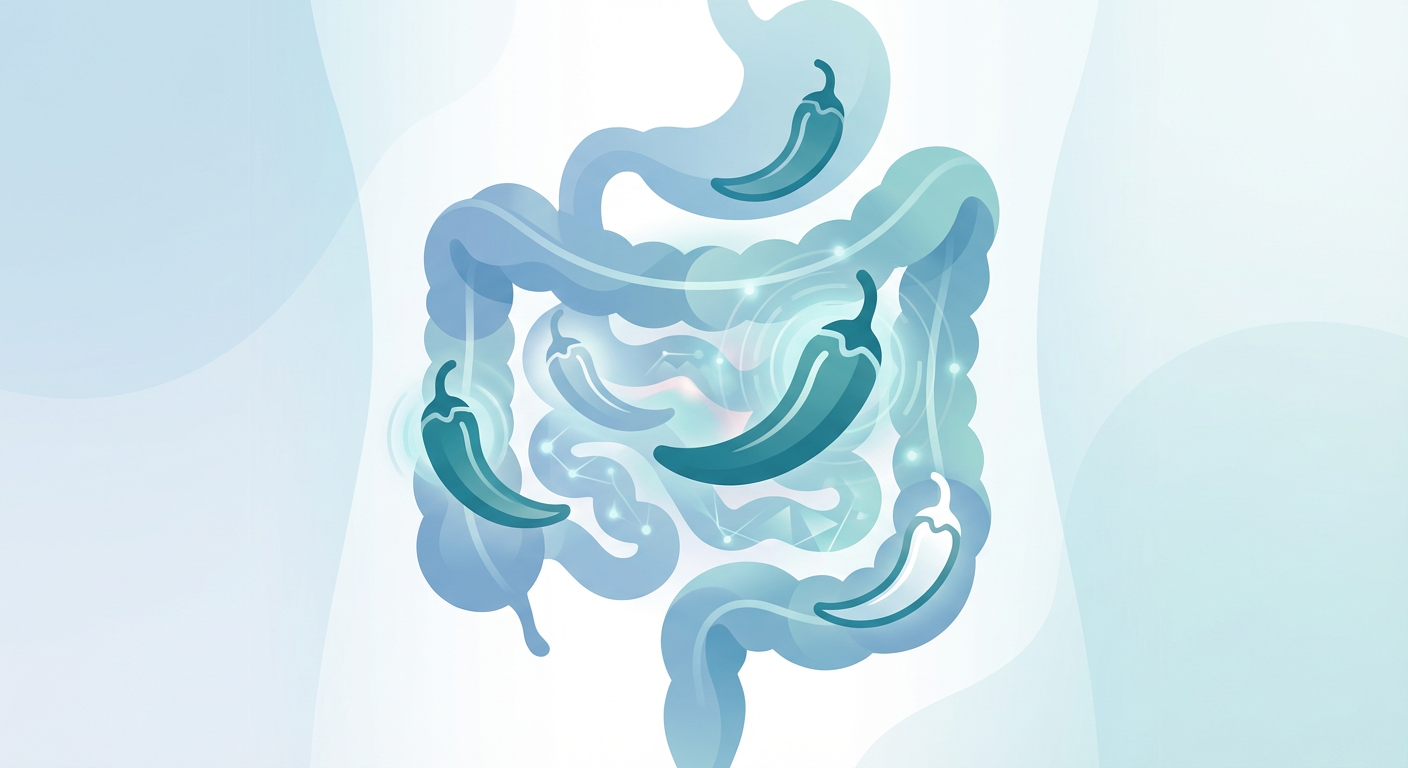
Spicy foods can trigger or worsen IBS symptoms for many people especially those with IBS-D by activating capsaicin-sensitive pain pathways, though responses vary. Small trials show chili can increase abdominal pain and burning, while long-term capsaicin may desensitize in some; guidelines recommend identifying personal triggers and limiting spicy foods if they cause symptoms.
Irritable bowel syndrome and spicy foods: what we know Spicy foods can worsen symptoms for many people with irritable bowel syndrome (IBS), but not everyone is affected the same way. Evidence suggests that chili pepper (capsaicin) can increase abdominal pain and burning in some individuals with IBS, particularly those with diarrhea‑predominant IBS (IBS‑D), while broader patient‑education resources advise limiting “high‑irritant” foods, including spicy dishes, if they trigger your symptoms. [1] [2]
How spicy foods may affect IBS
- Sensory nerve activation: Capsaicin stimulates TRPV1 pain receptors in the gut, which can heighten visceral sensitivity. In a controlled crossover study, IBS‑D participants reported significantly more abdominal pain and burning after chili‑containing meals compared with standard meals, whereas healthy volunteers had only mild burning. [1]
- Individual variability: Major clinical resources emphasize that specific foods trigger IBS differently across people; there is no single IBS diet that works for everyone. This means spicy foods may aggravate symptoms in some but not all. [3] [4]
Clinical evidence at a glance
- Chili increases pain/burning in IBS‑D: A small randomized crossover study (n=20 IBS‑D) found chili (about 2 g) added to meals increased abdominal pain and burning versus non‑spicy meals, without clear changes in gas, bloating, or colonic transit. This points to capsaicin‑sensitive visceral hypersensitivity rather than motility changes. [1]
- Capsaicin desensitization hypothesis: In a preliminary double‑blind study using enteric‑coated red pepper capsules (capsaicin source) over six weeks, participants with IBS reported reductions in abdominal pain and bloating compared with placebo by later weeks, possibly due to receptor desensitization over time. However, early side effects led some to reduce dose or drop out, and larger trials are needed. [5]
Guidance from clinical resources
- Tailor to your triggers: Authoritative guidance notes that certain foods and drinks commonly worsen IBS for many people, though not universally; spicy/irritating foods are often among those to try limiting if they provoke symptoms. Keeping a food and symptom diary helps identify personal triggers. [4] [3]
- General diet strategies: Lifestyle advice for IBS includes avoiding known triggers, getting adequate fiber and fluids, exercising, and sleeping well, with individualized elimination (and reintroduction) when specific foods are suspected. Some programs also trial a low‑FODMAP approach, but FODMAPs relate to fermentable carbohydrates, not capsaicin; both strategies can be complementary when tailored. [6] [7]
Practical tips if spicy food bothers you
- Test your tolerance: Try lowering the heat level, reducing portion size, or choosing milder peppers; monitor whether pain, burning, urgency, or loose stools follow. Use a diary for 2–4 weeks to track patterns. [3]
- Watch mixed triggers: Spicy dishes often include other potential triggers (fat, onion/garlic, carbonation, alcohol), which might compound symptoms; simplify recipes to identify the main culprit. If bloating or gas dominate, focus on high‑gas foods and FODMAPs; if pain/burning dominate, focus on spice level. [6] [7]
- Consider timing and preparation: Eat smaller, more frequent meals and avoid very hot temperature foods; adding dairy/yogurt or cooking with less chili can soften the impact. If you have IBS‑D and consistent pain/burning after spice, a conservative reduction is reasonable. [1]
- Reintroduce thoughtfully: If you improve after reducing spice, re‑introduce gradually to find your personal threshold rather than eliminating permanently. There is no one‑size‑fits‑all rule. [3]
Summary table: spice and IBS
| Topic | What research/resources suggest | Takeaway |
|---|---|---|
| Short‑term chili exposure | Increased abdominal pain and burning in IBS‑D; minimal effect on transit | Spicy foods may acutely worsen pain/burning via sensory nerves in IBS‑D. [1] |
| Long‑term capsaicin exposure | Preliminary data show possible symptom reduction after weeks (desensitization), but early intolerance is common | Not routine therapy; more studies needed; practical diet reduction often preferred. [5] |
| General IBS advice | Food triggers vary by person; avoid foods that worsen symptoms; no universal IBS diet | Personalization is key; spicy/irritant foods are common triggers to test and limit if needed. [4] [3] [6] |
| Role of FODMAPs | Targets fermentable carbs, not spice; can be used alongside trigger identification | Consider low‑FODMAP for gas/bloating while separately testing spice sensitivity. [7] |
Bottom line
- Spicy foods, especially those rich in chili/capsaicin, can trigger or worsen abdominal pain and burning in many people with IBS particularly in IBS‑D though not everyone is affected. [1]
- Major clinical guidance encourages identifying and avoiding individual triggers, with no single diet fitting all; if spicy foods reliably worsen your symptoms, limiting them is reasonable while keeping overall nutrition balanced. [4] [3] [6]
- For those who enjoy spice, gradual reduction, milder alternatives, and careful re‑introduction can help you find your personal tolerance level. [3]
References
- Controlled evidence indicates chili increases abdominal pain/burning in IBS‑D after meals. [1]
- Preliminary trial suggests long‑term enteric‑coated red pepper may reduce pain/bloating after several weeks, but with early intolerance and small sample size. [5]
- Clinical resources emphasize variable food triggers, no one‑size‑fits‑all IBS diet, and the importance of avoiding personal triggers and considering structured approaches like low‑FODMAP when appropriate. [4] [3] [6] [7]
Related Questions
Related Articles
Sources
- 1.^abcdefgEffects of chili on postprandial gastrointestinal symptoms in diarrhoea predominant irritable bowel syndrome: evidence for capsaicin-sensitive visceral nociception hypersensitivity.(pubmed.ncbi.nlm.nih.gov)
- 2.^↑자극성 장 증후군(Irritable bowel syndrome) | 질환백과 | 의료정보 | 건강정보(amc.seoul.kr)
- 3.^abcdefghIBS Myths & Facts Quiz: MedlinePlus Medical Encyclopedia(medlineplus.gov)
- 4.^abcdeIrritable bowel syndrome - Symptoms and causes(mayoclinic.org)
- 5.^abcEffect of red pepper on symptoms of irritable bowel syndrome: preliminary study.(pubmed.ncbi.nlm.nih.gov)
- 6.^abcdeIrritable bowel syndrome - Diagnosis and treatment(mayoclinic.org)
- 7.^abcdLow FODMAP diet: MedlinePlus Medical Encyclopedia(medlineplus.gov)
Important Notice: This information is provided for educational purposes only and is not intended to replace professional medical advice, diagnosis, or treatment. Always consult with a qualified healthcare provider before making any medical decisions.