
 Persly Medical Team
Based on NIH | Does drinking coffee worsen symptoms or trigger flare-ups in irritable bowel syndrome?
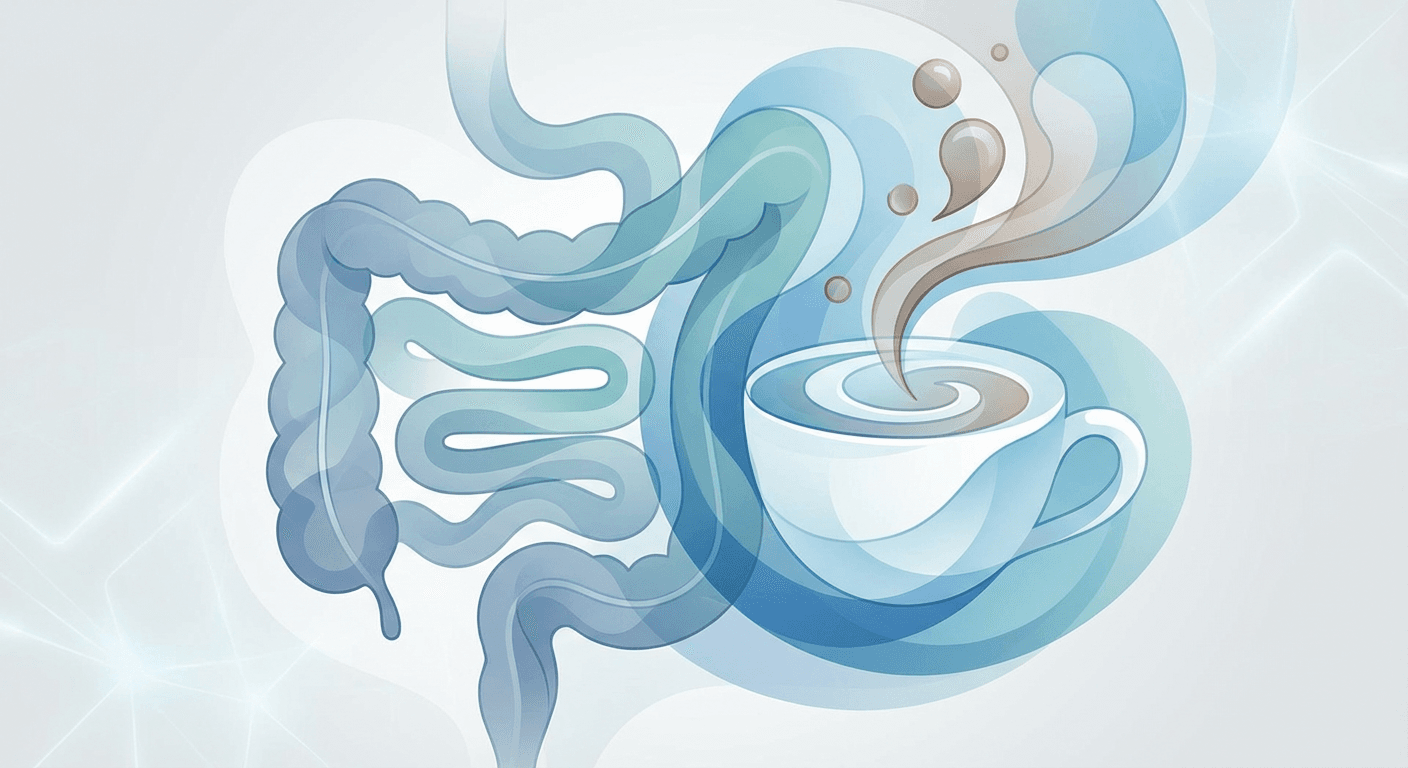
Coffee can worsen IBS symptoms for many people, especially IBS-D, because caffeine and other compounds stimulate gut motility and intestinal secretion. Both regular and decaf may trigger cramping, urgency, diarrhea, and gas, though sensitivity varies. A structured trial of reducing or avoiding caffeine and monitoring symptoms is recommended.
Yes coffee can worsen symptoms or trigger flare-ups in many people with irritable bowel syndrome (IBS), although sensitivity varies from person to person. Caffeine and other compounds in coffee stimulate the gut and can lead to cramping, urgency, diarrhea, and gas in susceptible individuals. [1] [2] For many, reducing or avoiding caffeine-containing drinks is recommended as part of IBS self-management. [3] [4]
Why coffee can aggravate IBS
- Gut motility stimulation: Coffee (including decaf in some people) can rapidly increase contractions in the distal colon, which may create urgency or looser stools symptoms common in IBS with diarrhea (IBS‑D). [5] This stimulatory effect has been demonstrated within minutes of ingestion and can last at least 30 minutes in responders. [5]
- Caffeine-related secretion: Caffeine can cause net fluid secretion in the small intestine, which may contribute to looser stools or functional diarrhea in sensitive individuals. [6]
- Overall guidance: Because caffeine increases intestinal activity, many clinical resources advise limiting or avoiding caffeine to help control IBS symptoms. [1] [3] Multiple health education sources also highlight coffee as a common trigger for IBS, while noting that not everyone reacts the same way. [4] [2]
What about decaf coffee?
Decaffeinated coffee can still stimulate the colon in some people, suggesting that non-caffeine components (e.g., chlorogenic acids or other bioactive compounds) may play a role. In manometry studies, both regular and decaf coffee increased rectosigmoid motility in responders. [5] This means that simply switching to decaf does not guarantee symptom relief for everyone, though it helps many.
Individual variability matters
No single diet works for every person with IBS, and dietary triggers differ widely. Authoritative guidance emphasizes identifying personal triggers rather than blanket avoidance, because some people tolerate coffee in small amounts while others do not tolerate it at all. [3] [2] Keeping a food-and-symptom diary for several weeks can help you connect coffee intake with symptom patterns. [7] [8]
Practical tips to test coffee tolerance
- Trial reduction: Try cutting caffeine to see if symptoms improve; this is commonly recommended because caffeine stimulates gut motility and may worsen cramping or diarrhea. [1] [3]
- Adjust dose and timing: If you choose to continue, consider limiting to one small cup and avoid drinking coffee on an empty stomach, as lower volumes and pairing with food may reduce urgency. (General practice advice; mechanism aligns with motility stimulation shown with coffee. [5])
- Try decaf cautiously: Some individuals still react to decaf; evaluate your own response. [5]
- Watch add‑ins: High‑fat creamers and certain sweeteners can aggravate IBS; fatty foods can provoke painful contractions, and some sugar alcohols (polyols) are known triggers. [1] [2]
- Consider alternatives: Caffeine‑free herbal teas and non‑caffeinated beverages are less likely to stimulate the intestines. Health resources often list caffeine‑free options when advising low‑trigger diets. [9]
Coffee within broader IBS diet strategies
- Low‑FODMAP approach: Many people trial a low‑FODMAP diet short‑term under guidance; while black coffee is low in FODMAPs, its stimulatory effects can still trigger symptoms in some, so personal testing is key. Guidelines emphasize individualized elimination and reintroduction to pinpoint triggers. [7] [8]
- Holistic management: Diet is one part of IBS care; stress management, sleep, and exercise also influence symptoms. Lifestyle measures are routinely recommended alongside dietary changes. [3]
Bottom line
- It’s reasonable to say coffee often aggravates IBS symptoms, especially for those with diarrhea‑predominant IBS, due to its stimulatory effects on the gut. [1] [2]
- However, not everyone is sensitive, and the reaction is individualized; the best approach is a structured trial of reduction or avoidance and careful monitoring of symptoms. [3] [4]
Quick reference: Coffee and IBS at a glance
- Coffee/caffeine can stimulate the colon and increase intestinal activity. [1] [2]
- Both regular and decaf coffee can trigger distal colon contractions in some people. [5]
- Caffeine can induce small‑intestinal fluid secretion in amounts commonly consumed. [6]
- Many clinical resources advise reducing or avoiding caffeine for IBS symptom control. [1] [3]
- Sensitivity varies widely; personalized testing is encouraged. [3] [7]
Related Questions
Related Articles
Sources
- 1.^abcdefgThe role of lifestyle-related treatments for IBS(mayoclinic.org)
- 2.^abcdefDietary Changes for Irritable Bowel Syndrome(nyulangone.org)
- 3.^abcdefghIrritable bowel syndrome: MedlinePlus Medical Encyclopedia(medlineplus.gov)
- 4.^abcIBS Myths & Facts Quiz: MedlinePlus Medical Encyclopedia(medlineplus.gov)
- 5.^abcdefEffect of coffee on distal colon function.(pubmed.ncbi.nlm.nih.gov)
- 6.^abEffect of caffeine on the human small intestine.(pubmed.ncbi.nlm.nih.gov)
- 7.^abcDietary Changes for Irritable Bowel Syndrome(nyulangone.org)
- 8.^abDietary Changes for Irritable Bowel Syndrome(nyulangone.org)
- 9.^↑Low-Fiber Diet(mskcc.org)
Important Notice: This information is provided for educational purposes only and is not intended to replace professional medical advice, diagnosis, or treatment. Always consult with a qualified healthcare provider before making any medical decisions.