
 Persly Medical Team
Based on PubMed | Does turmeric help prevent or treat heart disease?
Turmeric and curcumin have anti-inflammatory and antioxidant properties, but current human studies do not show they prevent or treat heart disease or consistently improve lipid profiles. Curcumin supplements appear generally safe short term but can interact with medications; they should complement, not replace, proven heart‑healthy strategies and be discussed with a clinician.
Turmeric and heart disease: what we know so far
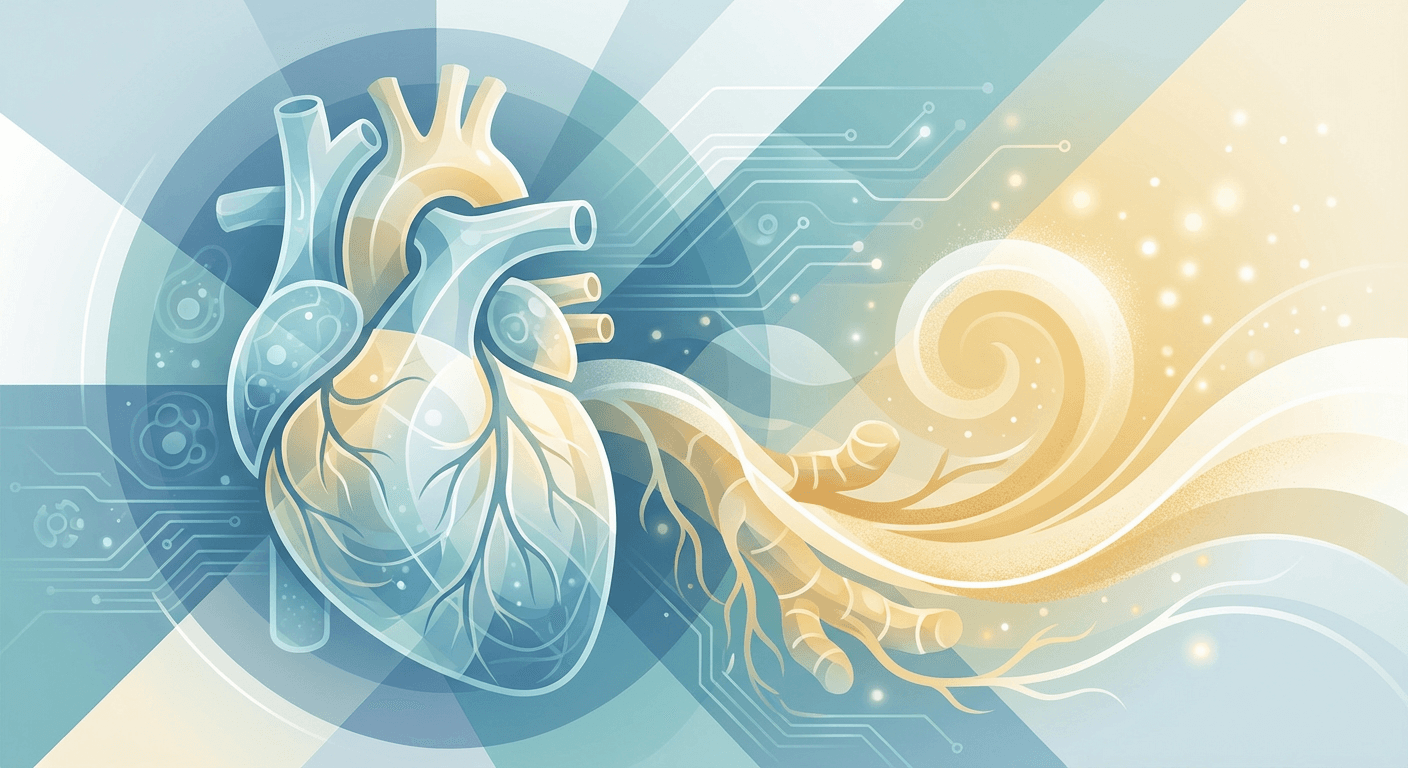
Turmeric (and its main active compound, curcumin) has biological effects that could, in theory, benefit the heart such as anti‑inflammatory and antioxidant actions but current human evidence does not show that turmeric supplements prevent or treat heart disease. [1] In small clinical studies and meta‑analyses, curcumin has not consistently improved key cardiovascular risk markers like LDL cholesterol, total cholesterol, HDL, or triglycerides, and there is no high‑quality evidence that it prevents heart attacks or reduces cardiovascular deaths. [2] [3]
Potential mechanisms vs. real‑world impact
- Laboratory and animal studies suggest curcumin may reduce oxidative stress, dampen inflammatory signaling, and limit adverse cardiac remodeling, all of which could theoretically protect the heart. [4] [1]
- However, translating these effects to humans has been challenging, largely because oral curcumin is poorly absorbed and rapidly metabolized, and studies often use different doses and formulations. [5]
- In people, pooled clinical trial data show no significant average changes in total cholesterol, LDL‑C, HDL‑C, or triglycerides with curcumin supplementation across heterogeneous groups. [2] [3]
What clinical studies have found
- Lipids: A systematic review and meta‑analysis of randomized trials found curcumin did not significantly change total cholesterol, LDL‑C, HDL‑C, or triglycerides overall, including in subgroups at cardiovascular risk. [2] [3]
- Vascular function: Small studies suggest possible improvements in arterial stiffness or endothelial function in specific populations (for example, people with type 2 diabetes or postmenopausal women), but findings are not uniform and do not establish prevention or treatment of heart disease. [6] [7]
- Inflammation: Reductions in inflammatory markers like CRP and IL‑6 have been reported in certain settings (such as dialysis patients), yet these data are population‑specific and do not prove cardiovascular event reduction. [8]
Safety and interactions
- Curcumin is generally considered safe in short‑term studies, even at relatively high doses, but the need for high doses to achieve systemic levels raises practical concerns. [9]
- Curcumin can interact with drug‑metabolizing enzymes (cytochrome P450) and may interact with certain chemotherapy agents; caution is advised for people on complex medication regimens. [9] [5]
- Reported side effects are usually mild (gastrointestinal upset), but quality and dosing of over‑the‑counter supplements vary widely, which can affect both efficacy and safety. [5]
How turmeric fits into heart‑healthy habits
- As a culinary spice, turmeric is a flavorful and generally safe addition to a heart‑healthy diet, but it should not be relied upon as a therapy for heart disease. [6]
- For prevention and treatment, evidence‑based steps remain cornerstone: heart‑healthy eating patterns, regular physical activity, blood pressure and cholesterol control, not smoking, healthy weight, and managing blood sugar. [10] [11]
- If you are considering curcumin supplements, it’s reasonable to discuss with your clinician, especially if you take prescription medications or have chronic conditions. [9] [5]
Bottom line
- There are biologically plausible reasons turmeric/curcumin might benefit the cardiovascular system, but current human studies do not show reliable prevention or treatment of heart disease, nor consistent improvements in core lipid risk factors. [2] [3] [1]
- Turmeric can be part of a healthy diet, but it should complement not replace proven cardiovascular prevention and treatment strategies recommended by your healthcare team. [10] [11]
Quick reference table
| Topic | What preclinical data suggest | What human studies show | Takeaway |
|---|---|---|---|
| Inflammation/oxidative stress | Curcumin reduces inflammatory signaling and oxidative damage in cells/animals. [4] [1] | Mixed; some marker reductions in select groups, but no proven event reduction. [8] | Mechanisms are promising, clinical impact unproven. |
| Lipid profile (TC, LDL‑C, HDL‑C, TG) | Possible lipid‑lowering effects in animals. [1] | No significant average changes in meta‑analysis. [2] [3] | Not a reliable lipid‑lowering supplement. |
| Vascular function | Potential endothelial benefits in models. [4] | Small trials show possible benefits in select groups; not definitive for prevention/treatment. [6] [7] | Insufficient evidence for routine use. |
| Safety | Generally safe in studies; bioavailability is low. [9] [5] | Early‑phase safety acceptable; possible drug interactions via CYP enzymes. [9] [5] | Discuss with a clinician, especially with other meds. |
🧠 Tip: If heart protection is your goal, focusing on blood pressure, LDL‑C reduction (diet, statins if indicated), exercise, and smoking cessation provides the most proven benefit today. [10] [11]
Related Questions
Related Articles

Sources
- 1.^abcdeThe protective role of curcumin in cardiovascular diseases.(pubmed.ncbi.nlm.nih.gov)
- 2.^abcdeA systematic review and meta-analysis of randomized controlled trials investigating the effects of curcumin on blood lipid levels.(pubmed.ncbi.nlm.nih.gov)
- 3.^abcdeA systematic review and meta-analysis of randomized controlled trials investigating the effects of curcumin on blood lipid levels.(pubmed.ncbi.nlm.nih.gov)
- 4.^abcCurrying the heart: curcumin and cardioprotection.(pubmed.ncbi.nlm.nih.gov)
- 5.^abcdefTurmeric(mskcc.org)
- 6.^abcTurmeric(mskcc.org)
- 7.^abTurmeric(mskcc.org)
- 8.^abTurmeric(mskcc.org)
- 9.^abcdeTurmeric(mskcc.org)
- 10.^abcPreventing Heart Disease(cdc.gov)
- 11.^abcHeart Diseases(medlineplus.gov)
Important Notice: This information is provided for educational purposes only and is not intended to replace professional medical advice, diagnosis, or treatment. Always consult with a qualified healthcare provider before making any medical decisions.