
 Persly Medical Team
Based on CDC | Can spicy foods trigger gout attacks or worsen gout symptoms?
Spicy foods and chili peppers are not known to trigger gout or raise uric acid, and major guidelines do not list “spicy” as a gout trigger. The primary dietary culprits are high-purine meats/seafood, alcohol (especially beer), and high-fructose drinks; diet can reduce flares, but long-term uric acid control usually still requires medication.
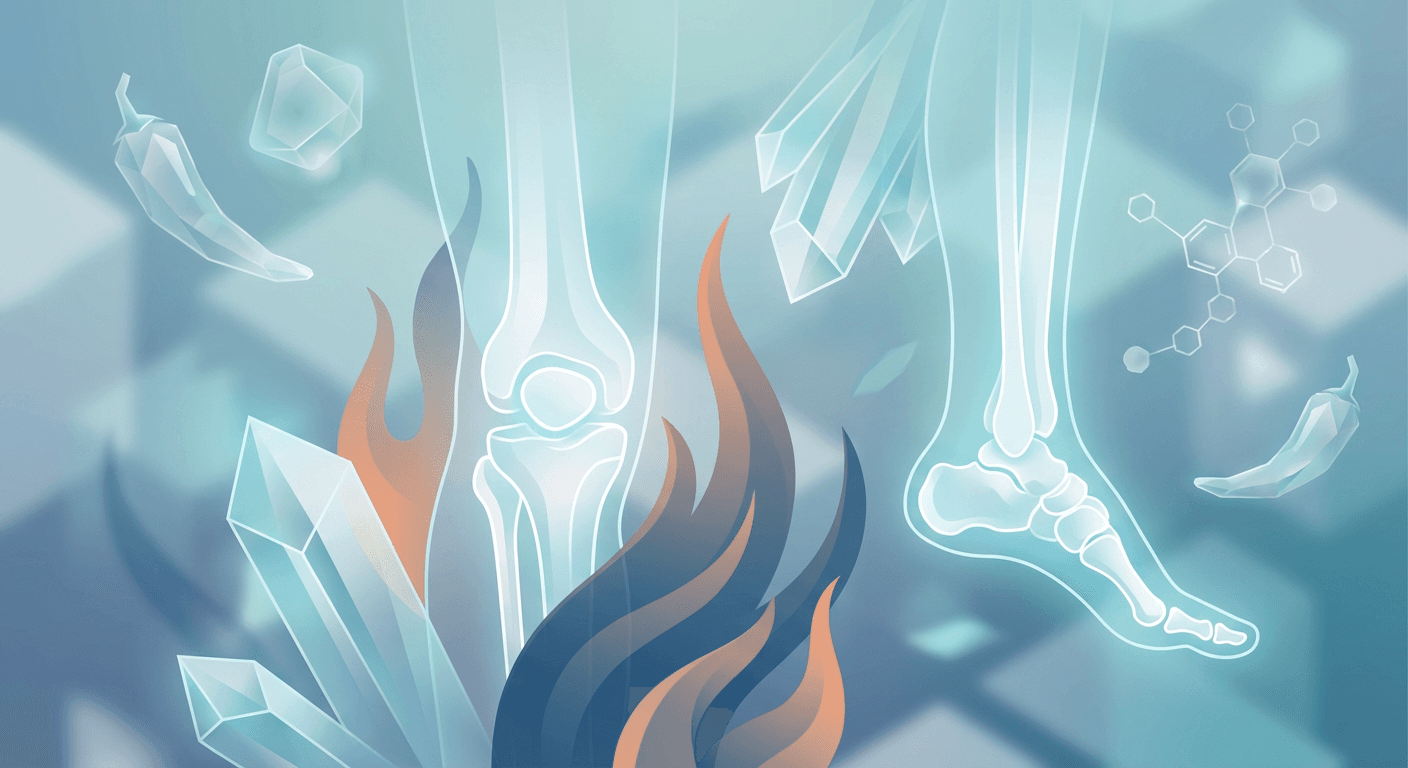
Spicy foods do not directly cause gout attacks, and most official guidance does not list spicy dishes or chili peppers as gout triggers. Instead, the best‑known dietary triggers are foods and drinks high in purines such as red meat, organ meats, some seafoods plus alcohol (especially beer) and high‑fructose sweetened beverages, because these can raise uric acid levels and precipitate flares. [1] [2] [3] [4] Diet changes can help lower the number of attacks, but medications are usually still needed to control uric acid long‑term. [5] [6]
What actually triggers gout
- Excess uric acid forms crystals in joints, which leads to painful inflammation (gout). [1] [7]
- Uric acid comes from breaking down purines found in the body and in foods; limiting high‑purine foods and alcohol helps reduce risk. [8] [4]
- Common triggers to limit or avoid include beer and liquor, red meat, organ meats, anchovies/sardines/shellfish, and high‑fructose corn syrup in sodas and processed foods. [9] [10]
Where spicy foods fit
- Chili peppers and capsaicin are not high‑purine foods, and major clinical guidance on gout does not identify “spicy” as a direct trigger category. [9] [3]
- Some people may notice heartburn or stomach upset from spicy meals; while uncomfortable, this doesn’t raise uric acid itself. Guidance instead emphasizes alcohol, fructose‑sweetened drinks, and purine‑dense meats as the dietary issues most likely to worsen gout. [9] [4]
Capsaicin and inflammation: what research shows
- Capsaicin (the compound that makes chili “hot”) primarily acts on pain‑sensing nerves and the TRPV1 receptor; it is even used in topical creams and patches for pain relief in other conditions. This does not translate into higher uric acid or gout triggering in humans. [11]
- Animal studies show that urate crystal–induced pain involves TRPV1 pathways, but this is a mechanism of pain signaling not evidence that eating spicy food raises uric acid or triggers flares. [12]
- Human nutrition guidance for gout focuses on purines, alcohol, and fructose rather than spice level because those factors influence serum uric acid and flare risk. [13] [9]
Practical tips if you enjoy spicy food
- If spicy dishes are not paired with high‑purine items (for example, choose chili‑spiced vegetables, tofu, or chicken breast instead of organ meats or large portions of red meat), they are unlikely to worsen gout. [9]
- Watch what’s in the meal besides the spice: beer with spicy bar food, rich meat stews, or sugary drinks are more concerning for gout than the heat itself. [9] [10]
- Favor gout‑friendly choices: low‑fat dairy, vegetables, whole grains, legumes, nuts, and coffee are associated with lower gout risk, and these can be seasoned with spices to taste. [14] [9]
- Maintain core gout strategies: achieve a healthy weight, exercise regularly, stay well hydrated, and, if prescribed, take urate‑lowering therapy to keep serum uric acid at target; diet alone usually isn’t enough to fully control gout. [6] [5]
Quick reference table
| Item | Purine/uric acid impact | Gout guidance status | Notes |
|---|---|---|---|
| Spicy foods/chili peppers | Not a purine source | Not listed as trigger in major guidance | Individual tolerance varies; spice itself doesn’t raise uric acid. [9] [3] |
| Red/organ meats, some seafoods | High purines → ↑ uric acid | Limit/avoid | Strongly linked to higher gout risk. [3] [4] |
| Alcohol (esp. beer) | ↓ uric acid excretion and can ↑ production | Avoid during flares; limit between flares | Beer and liquor increase flare risk. [9] [10] |
| High‑fructose corn syrup drinks | ↑ uric acid production | Limit/avoid | Common in sodas and processed foods. [9] |
| Low‑fat dairy, vegetables, whole grains, coffee | Associated with lower risk | Encourage | Helpful pattern for gout prevention. [14] [9] |
Bottom line
- There isn’t strong evidence that spicy foods by themselves trigger gout attacks or raise uric acid. Guidance focuses on limiting high‑purine foods, alcohol (especially beer), and high‑fructose drinks, as these are the dietary factors most likely to worsen gout. [9] [3]
- If spicy meals seem to coincide with your flares, it may be due to what’s eaten or drunk alongside the spice (for example, beer, rich meats, or sugary beverages), rather than the spice itself. Careful meal composition and ongoing uric acid management are the key steps. [9] [10] [5]
Related Questions
Related Articles

Sources
- 1.^abGout(cdc.gov)
- 2.^↑Gout(cdc.gov)
- 3.^abcdeGout(cdc.gov)
- 4.^abcdGout(medlineplus.gov)
- 5.^abcGout diet: What's allowed, what's not(mayoclinic.org)
- 6.^abGout diet: What's allowed, what's not(mayoclinic.org)
- 7.^↑Gout(medlineplus.gov)
- 8.^↑Gout(cdc.gov)
- 9.^abcdefghijklmGout diet: What's allowed, what's not(mayoclinic.org)
- 10.^abcdCan the foods you eat help to manage gout?(mayoclinic.org)
- 11.^↑Mechanisms and clinical uses of capsaicin.(pubmed.ncbi.nlm.nih.gov)
- 12.^↑Role of TRPV1 in nociception and edema induced by monosodium urate crystals in rats.(pubmed.ncbi.nlm.nih.gov)
- 13.^↑Diagnosis, treatment, and prevention of gout.(pubmed.ncbi.nlm.nih.gov)
- 14.^abThe interplay between diet, urate transporters and the risk for gout and hyperuricemia: current and future directions.(pubmed.ncbi.nlm.nih.gov)
Important Notice: This information is provided for educational purposes only and is not intended to replace professional medical advice, diagnosis, or treatment. Always consult with a qualified healthcare provider before making any medical decisions.